The Best and Surest Foundation? Religious Pluralism and the Public Prayer at the First Continental Congress
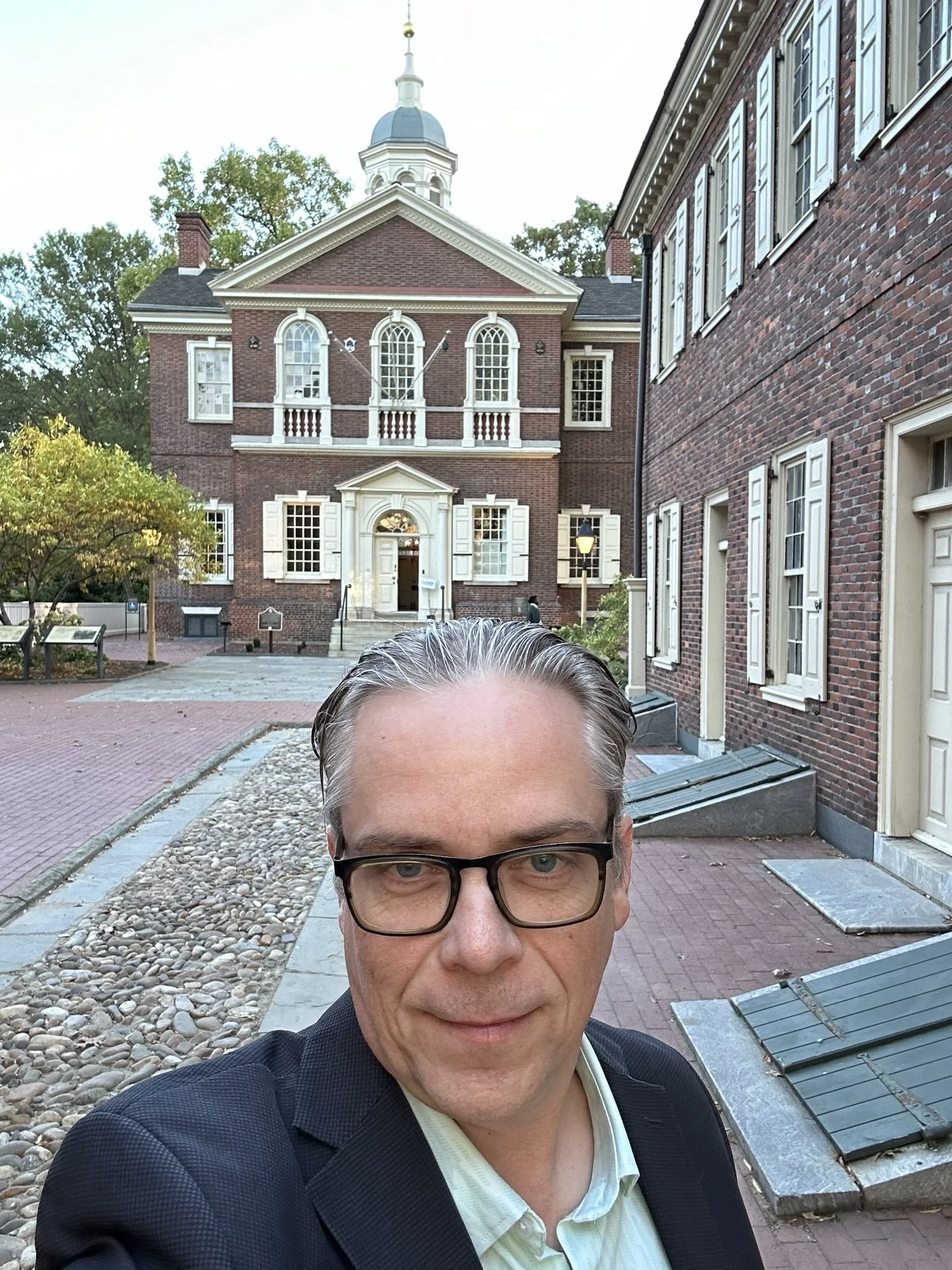
In September of 1774, 55 delegates from 12 of the 13 colonies gathered in Philadelphia’s Carpenter’s Hall to discuss how to respond to a series of punitive laws recently imposed on colonial Massachusetts in the aftermath of the Boston Tea Party. This Philadelphia gathering marks the beginning of the movement for colonies to collectively seek independence from the British crown.
At the convention's opening, a representative from Massachusetts, Thoma Cushing, moved that daily proceedings be opened in prayer. The motion was seen as controversial. Future Supreme Court justices John Jay and John Rutledge argued that delegates were “so divided by religious sentiments” that it was not possible “to join together in the same act of Worship.” John Adams disagreed, arguing that he was “no bigot and could hear a prayer from a gentleman of piety and virtue, who was at the same time a friend a friend to his country.”
The delegates agreed to allow a prayer and invited Rev. Jacob Duche, Anglican rector of Christ Church, to serve as chaplain. On September 6, Duche read a passage from Psalm 35 and offered a prayer soliciting support for the revolutionary cause. Read the full text HERE.
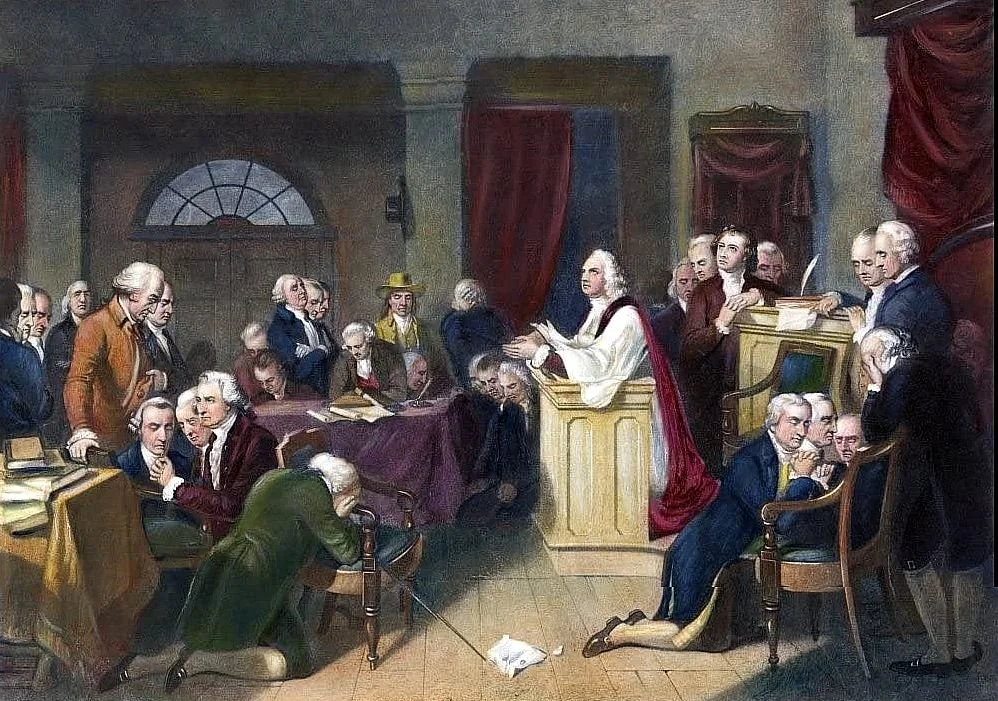
T. H. Matteson’s 1848 depiction of the prayer at the First Continental Congress. This dramatic rendition with delegates kneeling and bowing has shaped public perception about the event ever since.
Some have argued that Duche’s prayer indicates the nation’s founders were committed to the notion that the new nation was to be guided by explicitly Christian ideals. Others have used the occurrence to justify the U.S. court cases. I’ll return to those issues in a moment.
John Adams was effusive in his praise of Duche’s prayer: “We never were guilty of a more masterly stroke of policy than in moving that Mr. Duche might read prayers.” Adam clearly saw the benefit of a clergyman from the Anglican Church offering a prayer in support of the revolution.
On September 5th, the Dialogue Institute partnered with Carepenter’s Hall to host a panel discussion on the circumstances surrounding Duche’s prayer and its relevance to conversations about faith in contemporary American democracy. The panel was comprised of leaders from Jewish, Muslim, Catholic, and several Protestant communities. The panelists were asked several questions.
The Congress's decision to call on Jacob Duche was as much a political one as it was a pious one. How do you feel clergy should respond when called upon to appear as part of political events and ceremonies?
Duche would later claim that he had never supported the independence movement and had only agreed to the chaplaincy in the hopes of acquiring more "favourable circumstances" for his Church. In your experience, was he right to make an uneasy political alliance in the interest of his community's benefit? How should faith leaders balance engaging in political life with maintaining the integrity of one’s faith community?
What guidance from your traditions is relevant to political involvement?
In a nation as diverse as the U.S. (including Muslims, Jews, religiously unaffiliated, etc.), how should we think about displays of religion by public officials? How do we best think about and uphold the long-standing American commitment to the separation of church and state?
How can faith/religious leaders contribute to a healthy, diverse democracy today?
Video from the discussion can be viewed below.
This gathering.
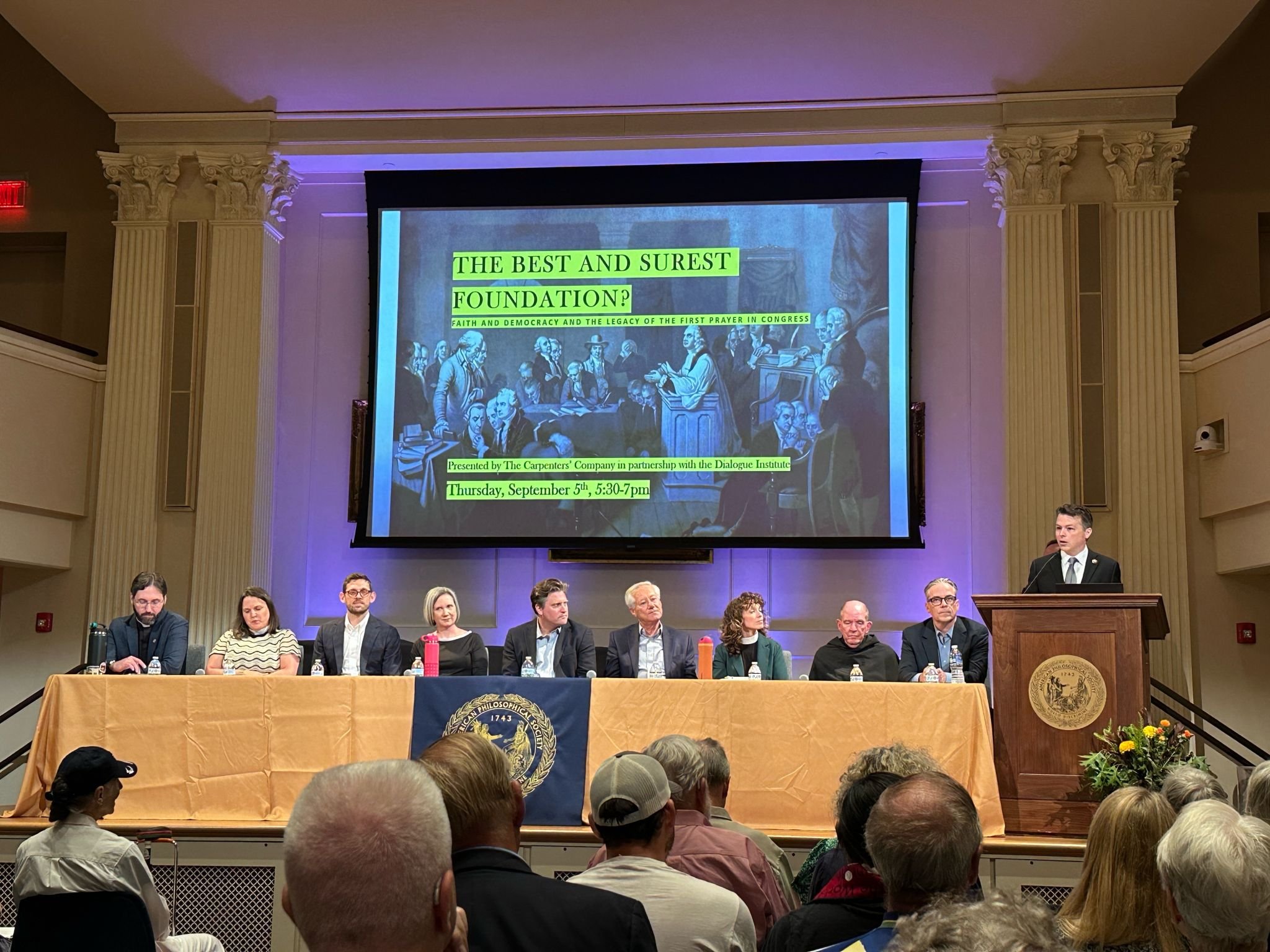
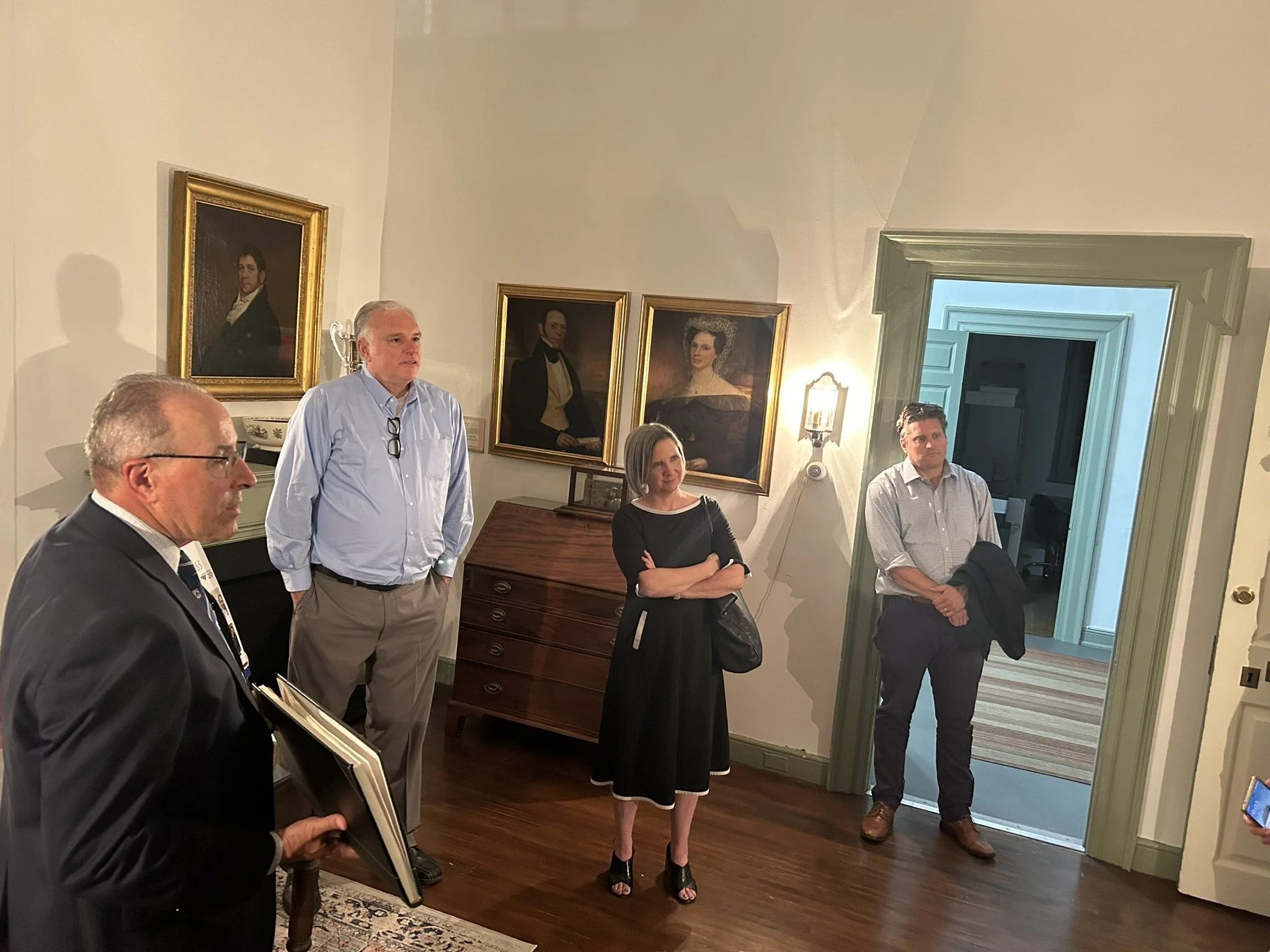
Rep. Brendan Boyle, of Pennsylvani’s Second District, read a letter from the Chaplain of the U.S. House of Representatives.
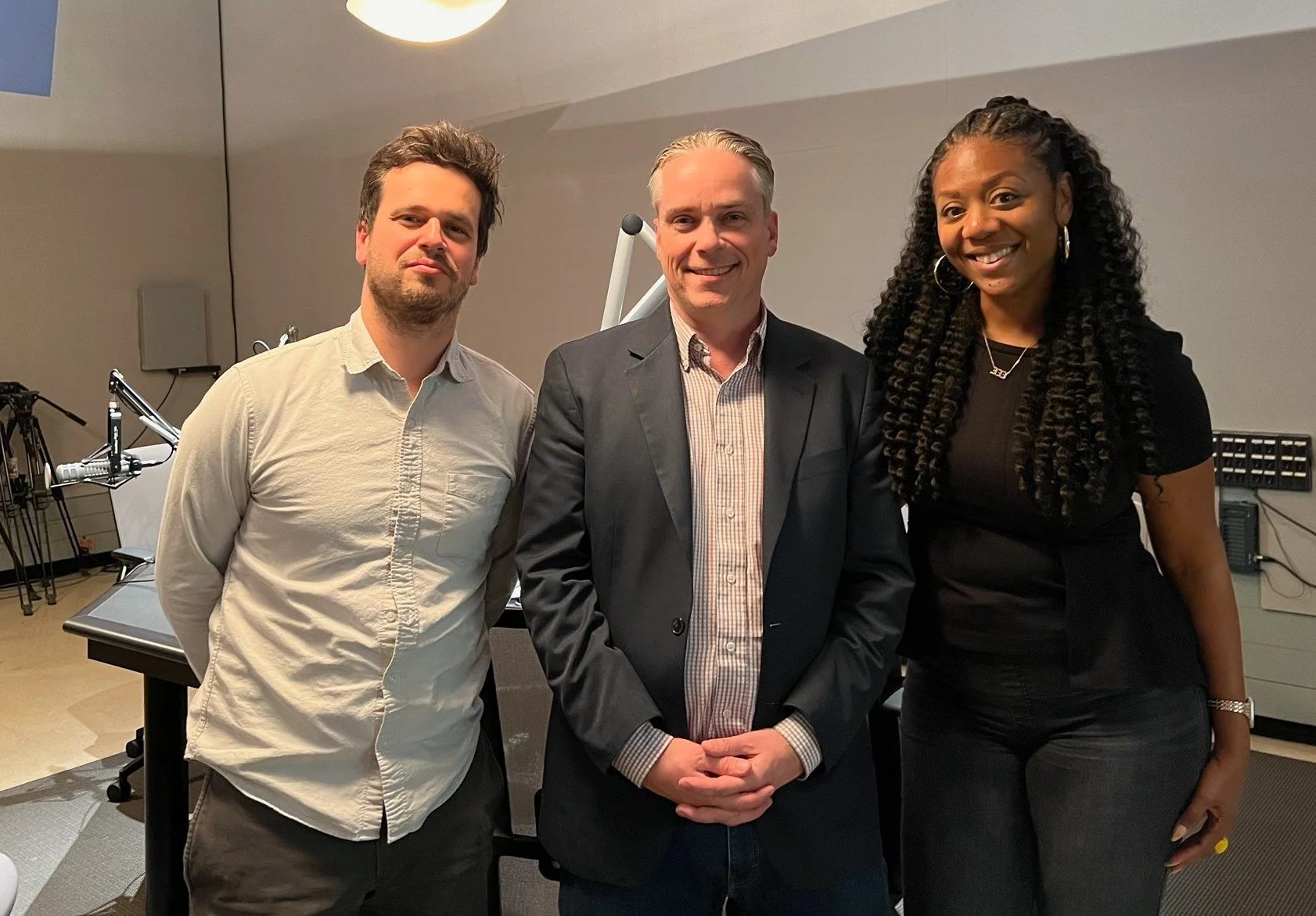
It was a privilege to speak to Cherri Gregg and Avi Wofman-Arent on WHYY’s Studio 2 radio show about the history of the separation of church and state in the U.S. I provided historical context to a conversation between
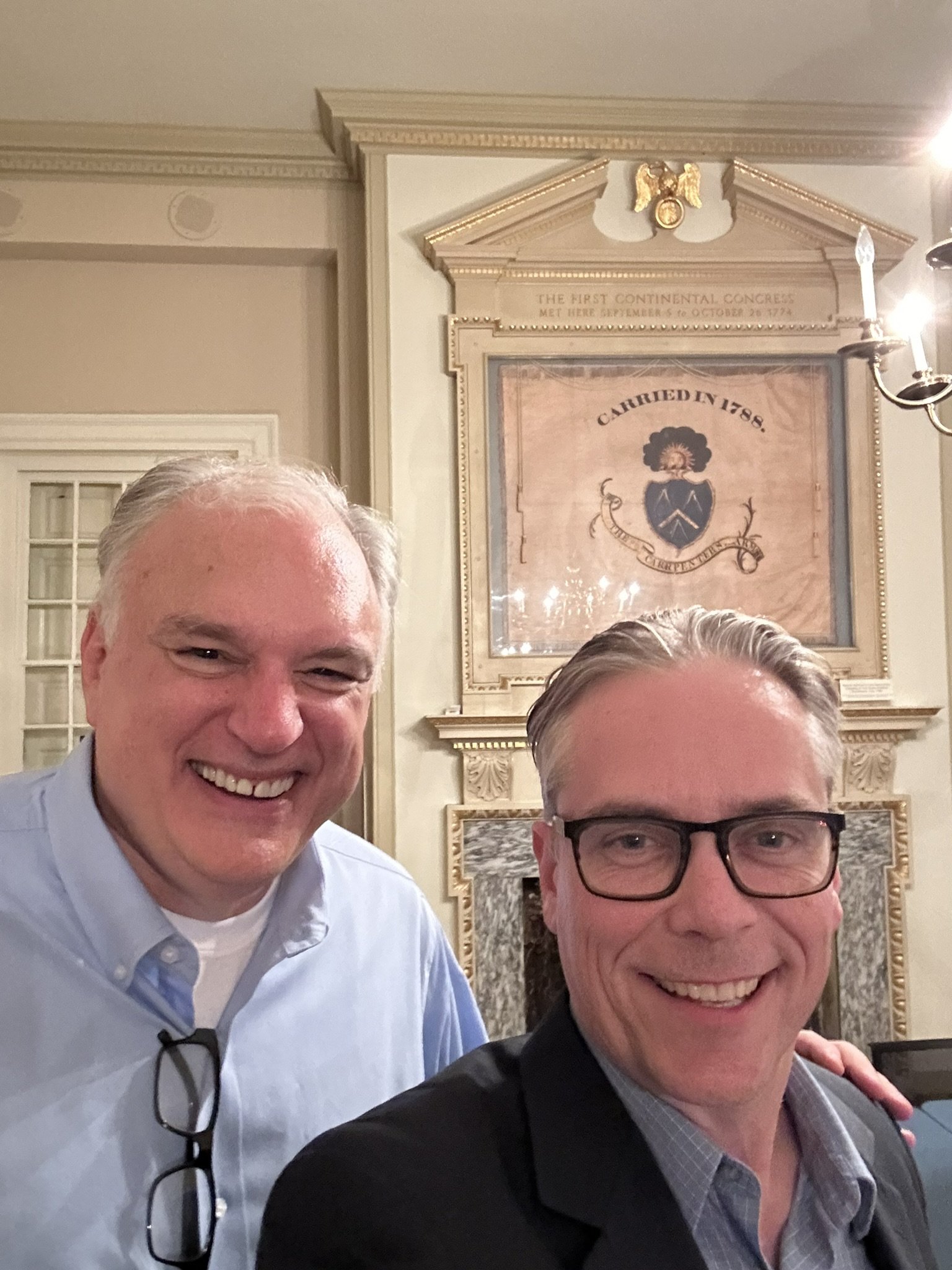
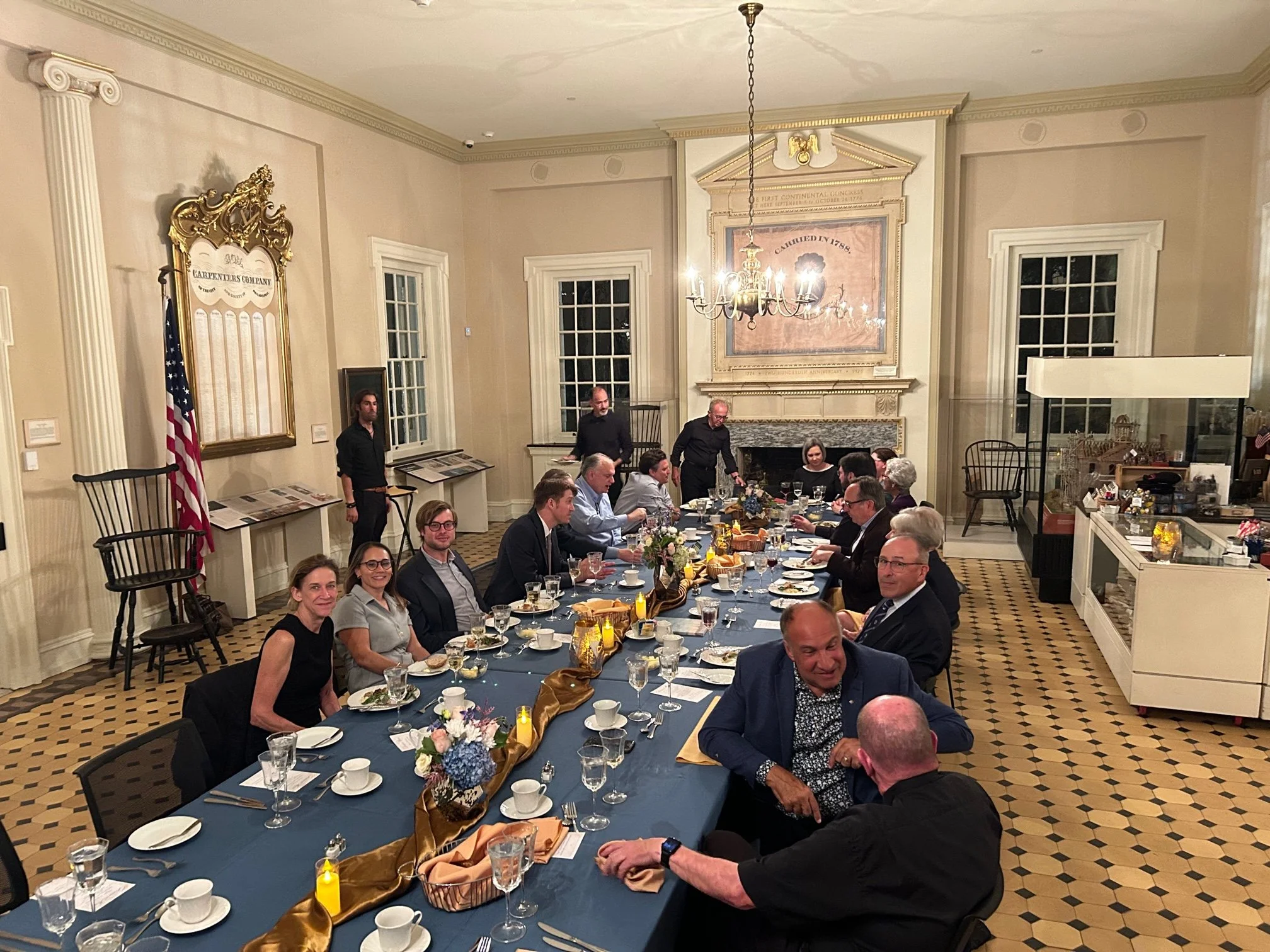
Following the public event at Benjamin Franklin Hall, panelists were invited to a dinner in Carpenters Hall, where the founders met. We were in the room where it happened!