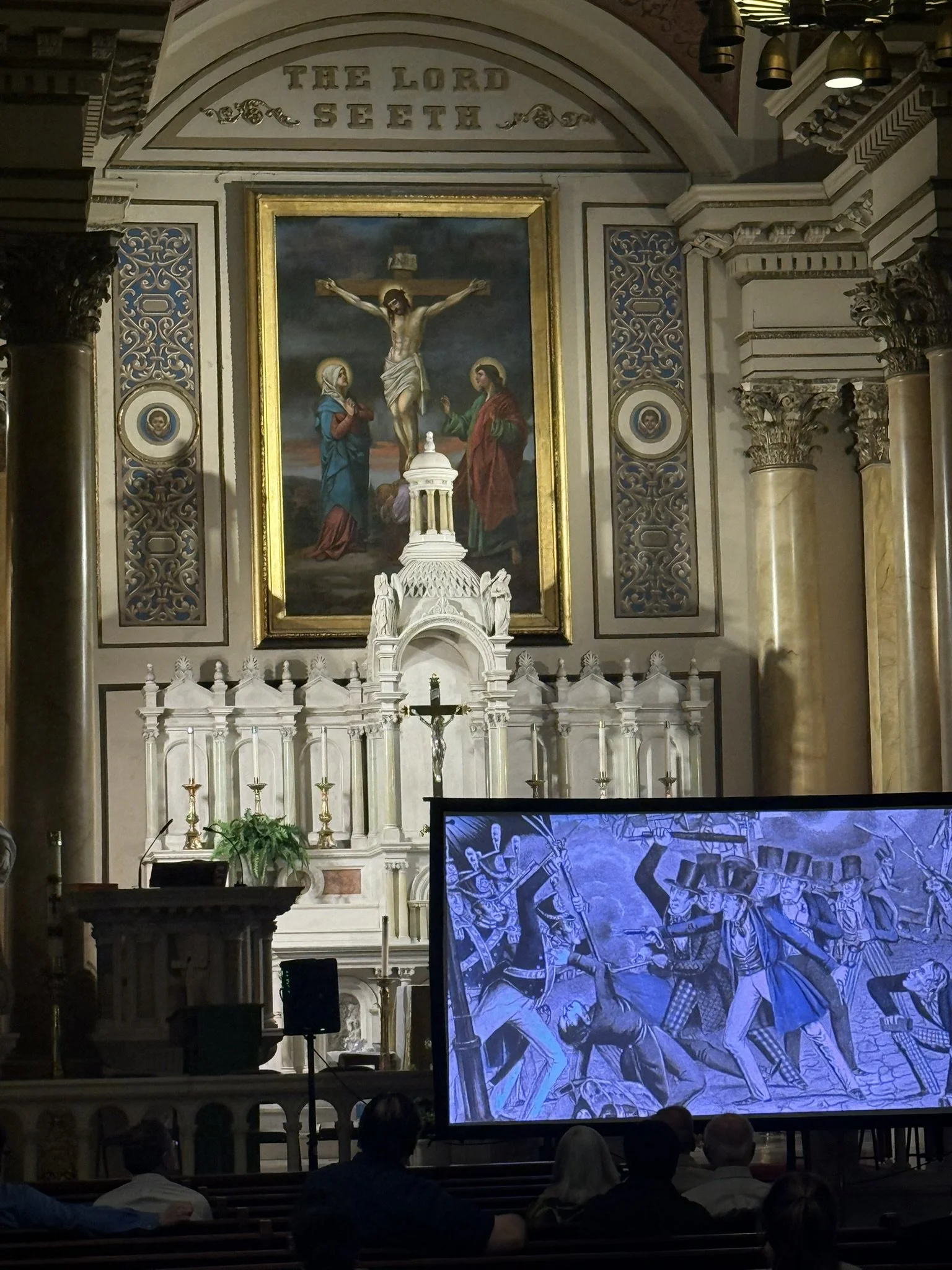
In the aftermath of of the 1844 riots, the only portion of the church left standing was the wall behind the altar with the words, “The Lord Seeth.”
One of the most painful episodes in Philadelphia's history is the Anti-Catholic riots in 1844. That year, Catholic churches and libraries were burned down by members of the so-called "Native American" party. These were not indigenous Americans, but Protestants who were angry about an increase in Catholic immigrants. The St. Augustine's Catholic Church at 4th and New, adjacent to the Benjamin Franklin Bridge, was one of the churches destroyed and later rebuilt.
It is difficult to reconcile this tragic event with Philadelphia’s reputation as a city founded as an experiment in religious freedom. William Penn’s founding charter guaranteed a level of religious freedom in Pennsylvania that was unrivaled by other colonies. While Quakers were sometimes put to death in Puritan-dominated Massachusetts and Baptist preachers were jailed in Anglican-dominated Virginia, Pennsylvania permitted residents to practice their religion freely. As a result, the colony attracted Quakers, Jews, and people from various Christian denominations, including Catholics. In the 1730s, Philadelphia was the only location in the British colonies where it was legal to hold a Catholic mass. Although Catholics enjoyed the legal protection to worship, it did not exempt them from being treated with suspicion by their Protestant neighbors.
In the early decades of the 19th century, as Irish Catholic immigration increased, some Americans questioned the loyalties of Catholics, suggesting that their allegiance was not to the American nation but to the pope in Rome. Protestant anxieties were also inflamed in the 1840s over a debate about which version of the Bible, Protestant or Catholic, would be allowed in public school classrooms.
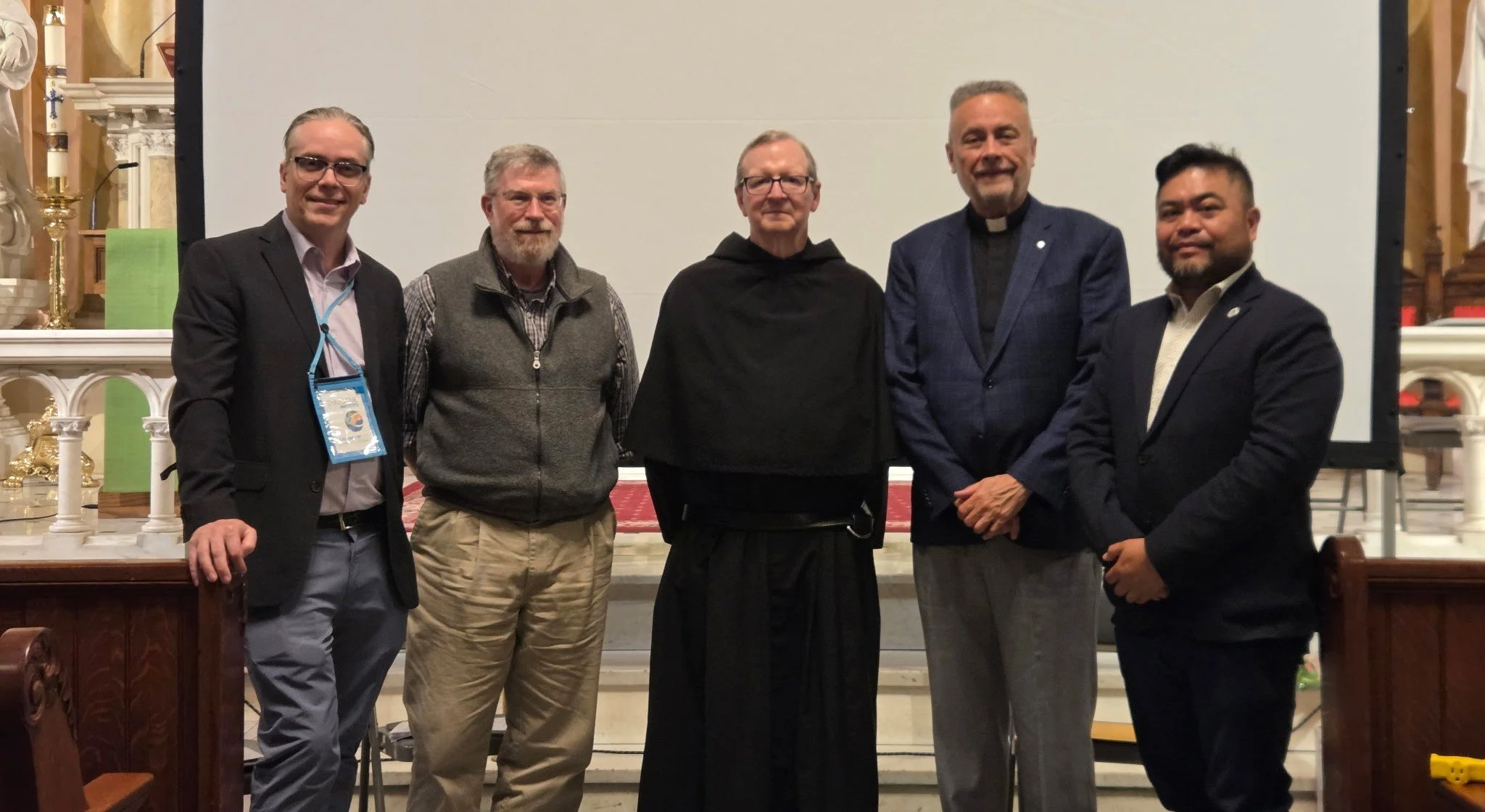
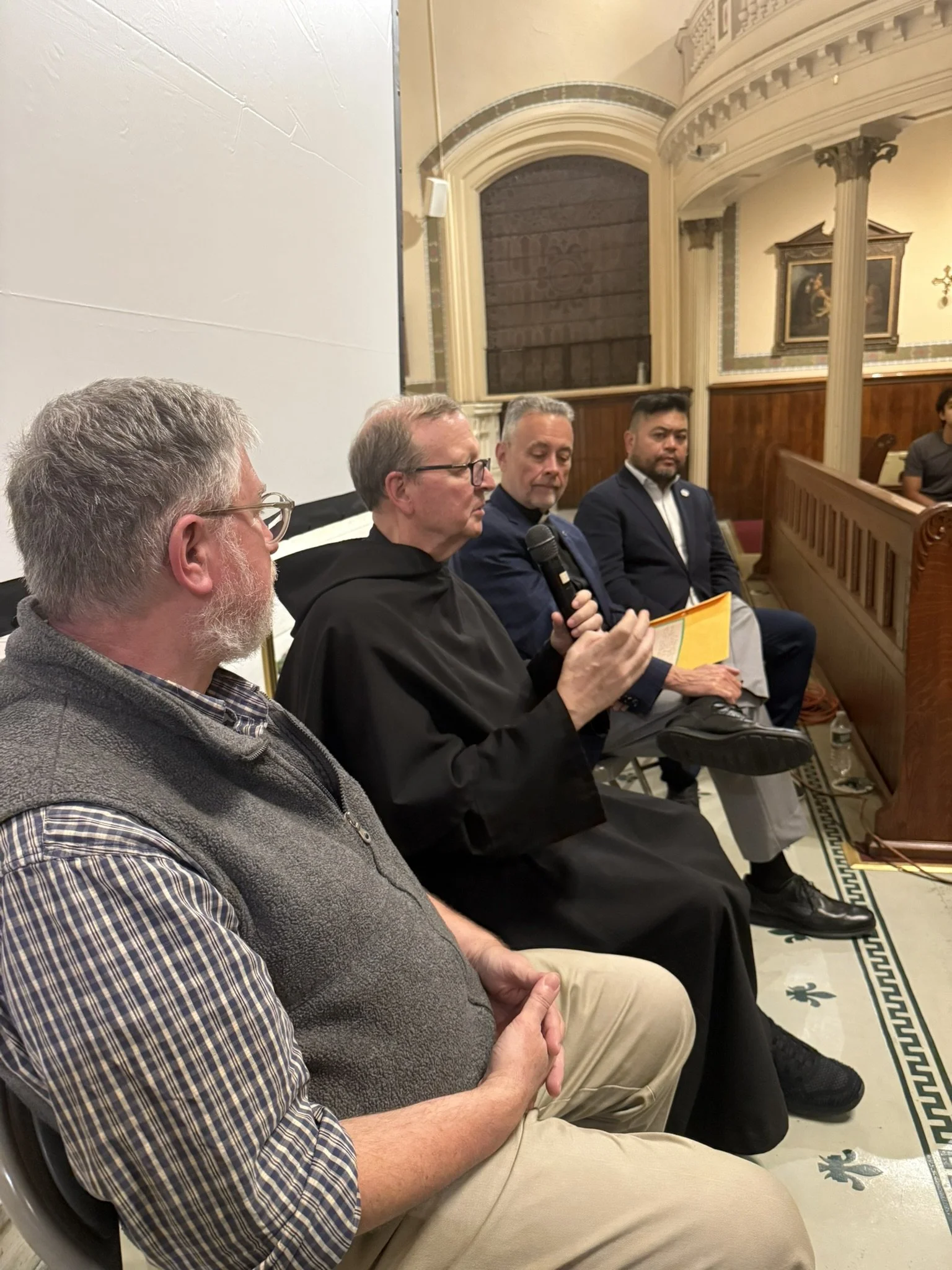
From L to R: Dr. David Krueger, Dr. Patrick Hays, Father Chris Drennen, O.S.A, Rev. Bill Wilson, Randy Duque.
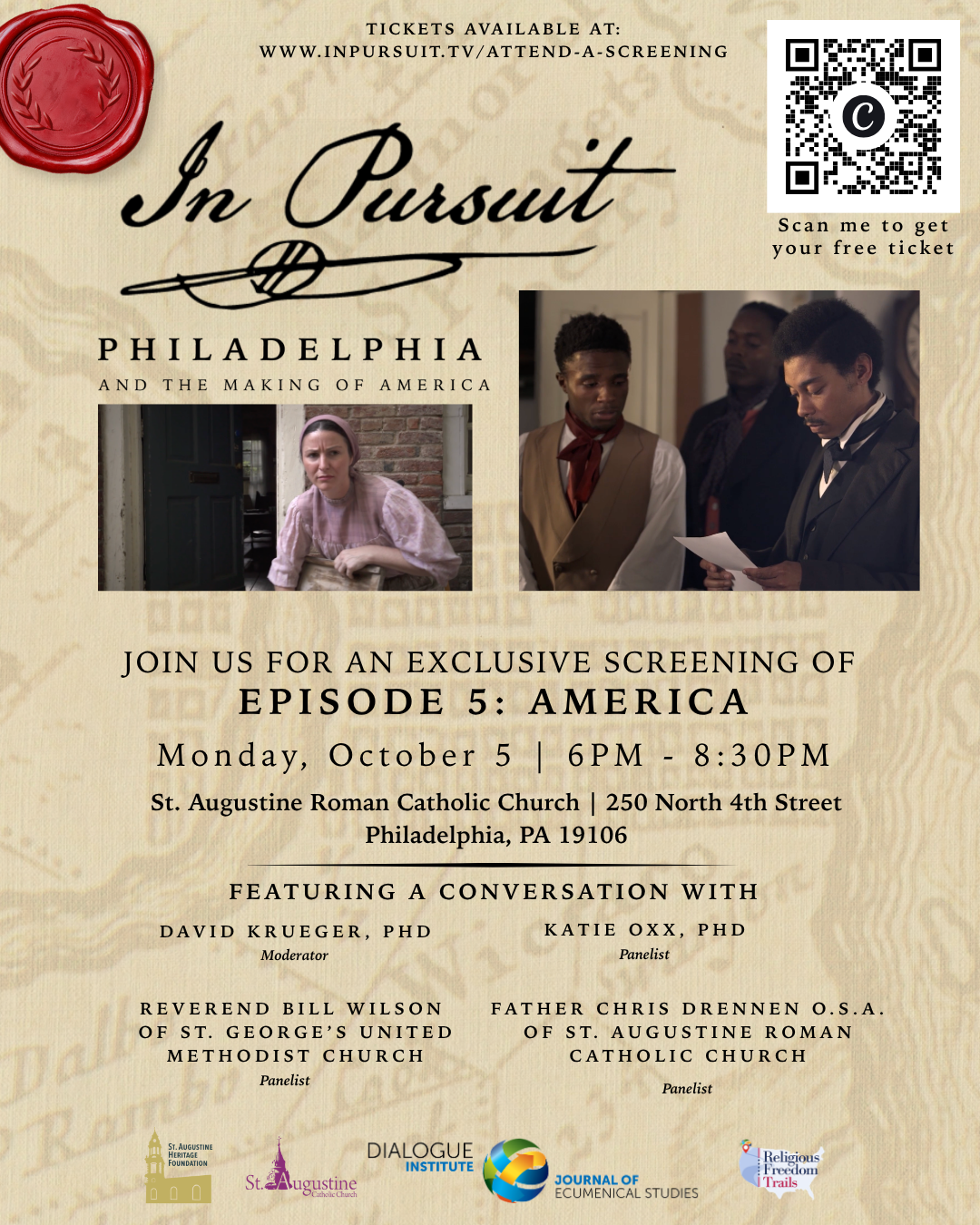
I've long desired to host an event that would bring together Catholic and Protestant leaders to discuss the tragic events of 1844. On October 6, I had the privilege of facilitating a conversation following the screening of Episode 5 of the documentary In Pursuit: Philadelphia and the Making of America. The episode dramatizes the events of 1844, and it was deeply meaningful to watch it in a church that was burned down. We had a powerful conversation with the parish priest, Father Chris Drennen; Rev. Bill Wilson from the Methodist Church across the street; Dr. Patrick Hayes, an archivist and historian; and Randy Duque from the Philadelphia Commission on Human Relations. The panel discussed how reflecting on this historical episode can yield lessons for how we can stand in solidarity with immigrant and minority communities in our neighborhoods today.
Father Chris and members of St. Augustine spoke of the resilience of the Catholic community and noted that a section of the wall bearing the words "The Lord Seeth" was among the few parts of the building still standing after the fire. For members of the community, I think it symbolizes that God stands with those who suffer harm.
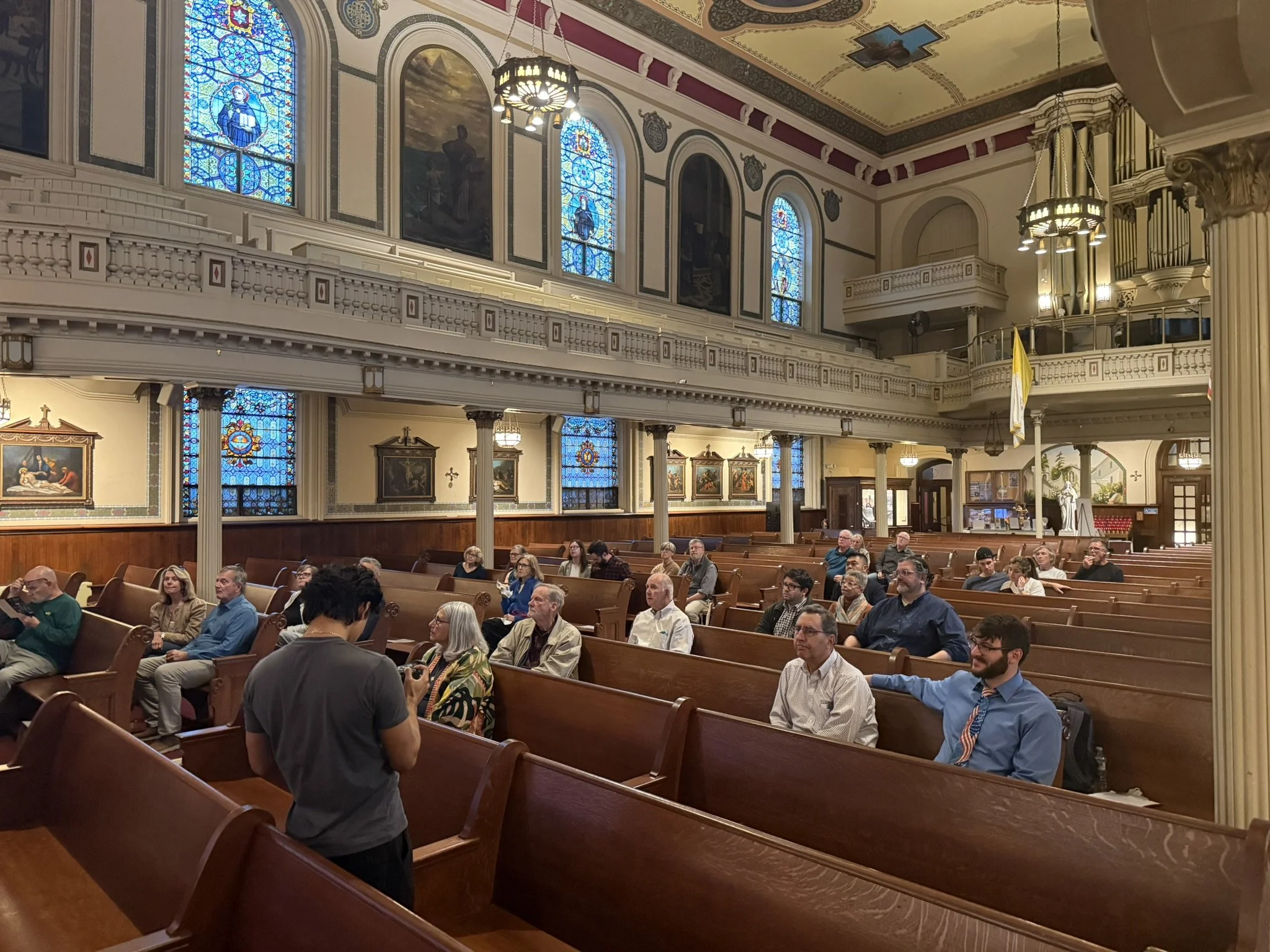
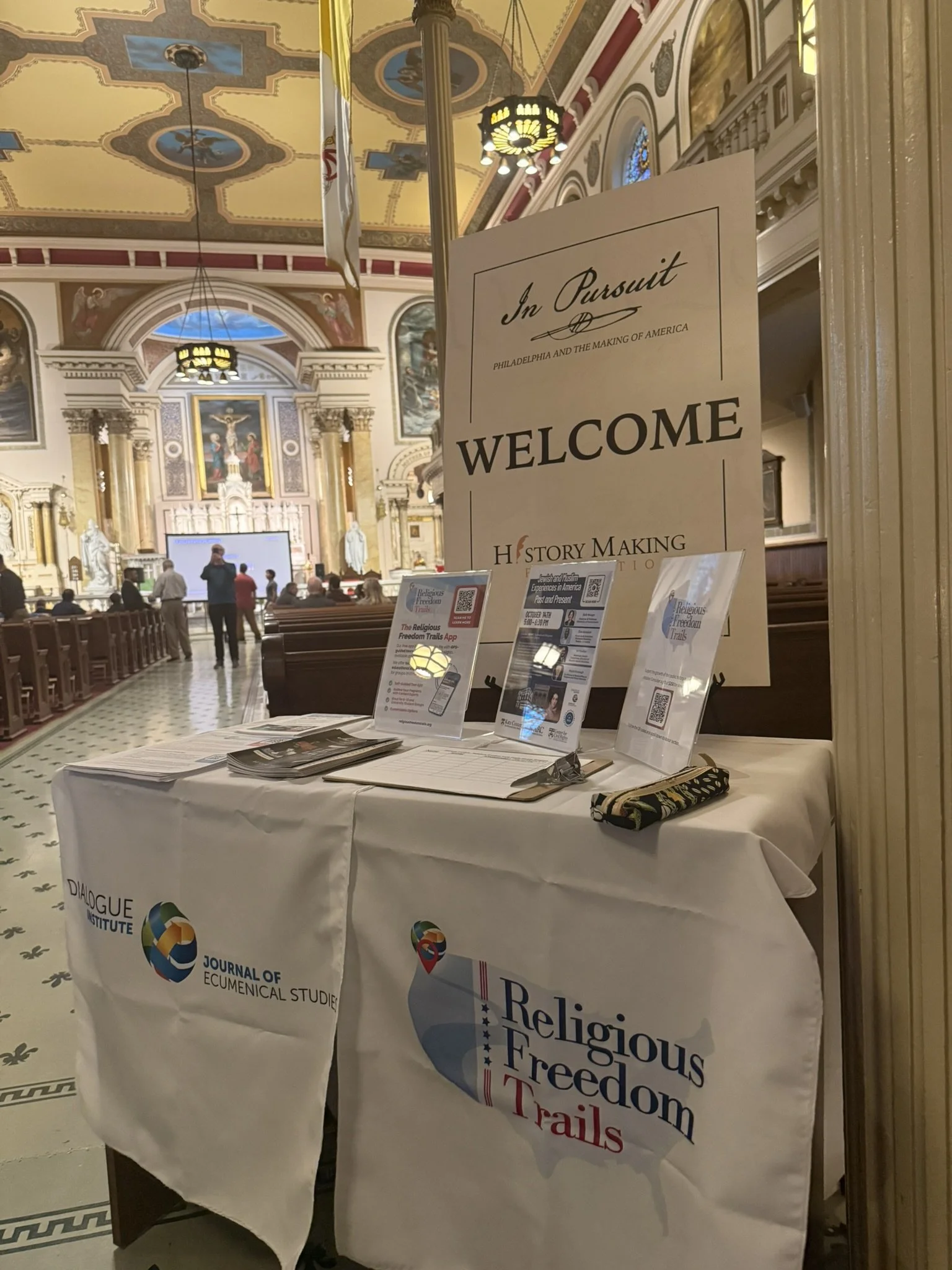
St. Augustine’s Catholic Church.
Rev. Wilson from the Protestant church across the street shared that he had searched his congregation’s archives for evidence of the response. He reported that one of the few documents located included a thank-you note to the fire department for “saving our church” during the events. There was no mention of the church that burned to the ground across the street.
In a particularly poignant moment in the conversation, Rev Wilson leaned over to Father Chris and offered an apology on behalf of this church for not doing more to intervene. Father Chris expressed his deep appreciation for this gesture. Several attendees later remarked how profoundly moved they were by this moment of openness and vulnerability.
The panel concluded with Dr. Hayes sharing a handful of historical examples of Protestants standing guard at other Catholic churches, and Randy Duque shared about how the City of Philadelphia has resources for de-escalation when neighborhood conflicts erupt.
In our current American moment of cultural, religious, and political polarization, it is more important than ever for people of good conscience to stand with vulnerable communities and build bridges of understanding and trust.
This event was hosted by the Dialogue Institute and St. Augustine's Catholic Church.