

Featured JES Authors: Geneva Blackmer and Yitnaa Athanasius Akila
Issue 61.1 of the Journal of Ecumenical Studies is now available via Project Muse!
For each issue, the Diablogue features one author and makes a full-text PDF version of their article available on Project Muse for 60 days.
In this issue, we feature Geneva Blackmer and Yitnaa Athanasius Akila’s "Aruna Gnanadason: Indigenous Wisdom, Indian Eco-Feminist Theology, and the World Council of Churches—Confronting Violence against Women and Shaping the Future of Ecumenism.”
Geneva Blackmer is a Doctoral Researcher at the University of Cambridge (U.K.)–Homerton College within the Faculty of Divinity, Cambridge Interfaith Programme. She holds degrees from Amridge University, Montgomery, AL (Interdisciplinary Studies/Theology, Ph.D., 2025), the University of Bonn (Ecumenical Studies, M.A.), and Athens (AL) State University (Religious Studies, M.A. and B.A.). Previously, she has held research assistantships and visiting appointments with the University of Bonn, the Delaware Historical Society, Boston University School of Theology, and Calvin Theological Seminary (Grand Rapids, MI). Her published research and writing focus primarily on digital theology/religion, (inter)religious education, church history, and ecumenism. Her professional background includes experience in grassroots interreligious and ecumenical collaboration across North America and internationally.

Geneva Blackmer
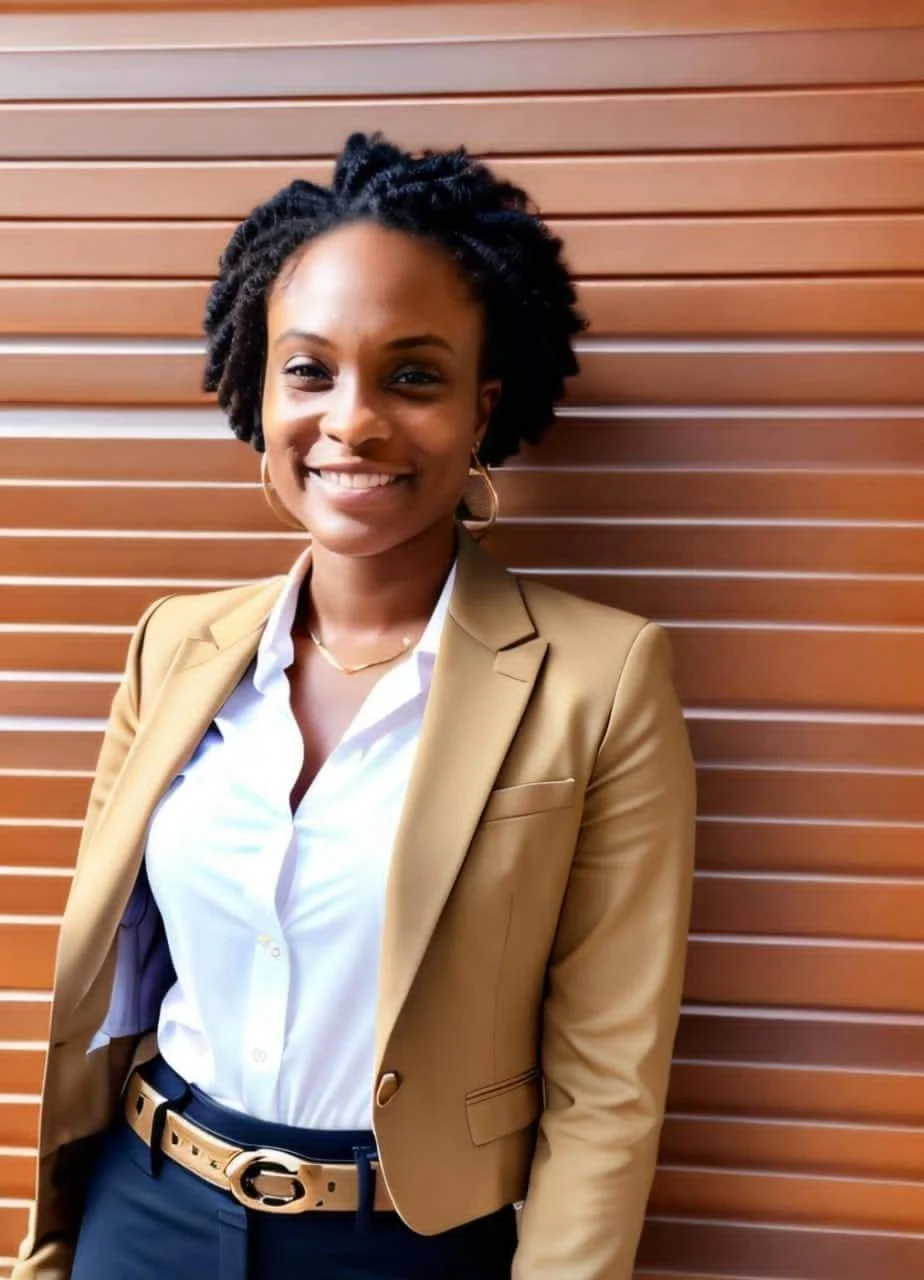
Yitnaa Athanasius Akila
Yitnaa Athanasius Akila has a Bachelor of Divinity degree from the Theological College of Northern Nigeria, Bukuru; and an M.A. in Extended Ecumenical Studies (2025) from the University of Bonn. Her master's thesis, "Conflicts in Northern Nigeria and the Role of (Inter-) Religious Education in Peacebuilding," was published in the African Journal of Religious and Theological Studies.
She is currently pursuing a second M.A. in Dependency and Slavery Studies at the University of Bonn, where she also serves as a research assistant in the Seminar for Religious Pedagogy within the Faculty of Catholic Theology. Her professional experience includes engagement with interfaith organizations at both regional and global levels.
In a few sentences, what is the main argument of your J.E.S. article?
This article explores the theological contributions of Aruna Gnanadason as a leading feminist theologian and ecumenical activist, arguing that her work constitutes a critical methodological intervention in feminist and postcolonial theology. Rooted in the lived experiences of women in India, Indigenous cosmology, and contextual ecological ethics, her ecofeminist theology challenges Eurocentric, patriarchal, and anthropocentric theological norms while emphasizing the interconnectedness of women’s liberation and ecological sustainability. In doing so, it presents a holistic vision of justice grounded in women’s lived realities and a profound respect for the divine presence in nature.
How did you get interested in the topic?
This article grew out of an earlier research project that did not ultimately materialize, but led to an oral history interview with Aruna Gnanadason. That conversation offered a rare and compelling window into her life, theology, and activism, particularly her distinctive contributions to ecofeminist theology. The richness of that material prompted a desire to develop it further and to make her work more visible. It also responds to the limited biographical and scholarly attention to her contributions within feminist and postcolonial theological discourse.
How can Gnanadason’s work inform broader understandings of interreligious dialogue and ecumenical efforts?
Gnanadason’s work highlights the importance of interreligious and ecumenical collaboration as sites of advocacy and community-organizing, especially in addressing gender-based violence and ecological crisis. Her theological vision reorients dialogue toward relationality, interdependence, and justice, challenging eurocentric and patriarchal frameworks that have shaped traditional approaches.
What is your next project?
Geneva Blackmer: The current research project is based at the Cambridge Interfaith Programme and conducted in collaboration with the Faith and Belief Forum. It examines the organization's interfaith storytelling model (ISM) as an alternative to representative models of interreligious dialogue (IRD), focusing on how this approach disrupts dynamics of representation and power associated with the “spokesperson” and “single story” phenomena, and what alternative modes of representation and relational understanding it produces.
Yitnaa Akila: The current research project is based within the University of Bonn Center for Dependency and Slavery Studies, which explores childhood poverty through Capernaum and the Almajiri system, showing how children navigate difficult conditions while still exercising forms of agency in their everyday lives.