
DI to Present Panel at ASIANetwork Annual Conference
The Dialogue Institute is organizing and presenting a panel discussion on "Contemplative Practices in Dialogue: Buddhist with Christian and Muslim" as part of the ASIANetwork's 26th Annual Conference, "Mindful Connectivity: Asian Perspectives and Influences." The conference will be held April 6th-8th in Philadelphia.

The Dialogue Institute (DI) is organizing and presenting a panel discussion on "Contemplative Practices in Dialogue: Buddhist with Christian and Muslim" as part of the ASIANetwork's 26th Annual Conference, "Mindful Connectivity: Asian Perspectives and Influences." The conference will be held April 6th-8th in Philadelphia, with the panel convening on April 7th.

DI Director of Education, Rebecca Mays, and Founder/President, Leonard Swidler, at the 2016 Songshan Forum in China.
DI Founder and President, Professor Leonard Swidler, and Director of Education, Rebecca Mays, will share reflections on Catholic and Protestant Christian perspectives during the panel.
DI Hosts International Conference on Urban Peacebuilding
The Dialogue Institute hosted, and co-sponsored in partnership with the KAICIID Dialogue Centre in Vienna and with support from the Karl Schlecht Foundation, a three-day international conference at Temple University, December 5-7, 2017, for religious leaders and scholars from Argentina, Austria, Canada, England and the United States on “Building Peace in the Urban Community.”

The Dialogue Institute hosted, and co-sponsored in partnership with the King Abdullah Bin Abdulaziz International Centre for Interreligious and Intercultural Dialogue (KAICIID) Dialogue Centre in Vienna, a three-day international conference* at Temple University, December 5-7, 2017, for religious leaders and scholars from Argentina, Austria, Canada, England and the United States on “Building Peace in the Urban Community.”
The conference—which included KAICIID Fellows, a select group of religious educators and actors engaged in interreligious dialogue throughout the world—highlighted the roles that religious communities, through dialogue and cooperation with policy makers, can play in addressing social challenges in urban centers. The conference explored specifically how religious leaders and policy makers are working (and can work) together to make cities safe and hospitable spaces for all its residents. Participants identified best practices and associated skills/tools for successful coordination and dialogue between religious communities and policy makers at all levels.

"Among other things, (the conference) introduced me to a number of well-established and highly credible organizations in the United States working on interfaith development," said participant Jeff Berger, a KAICIID Fellow and rabbi from England. "Most impressive was the extraordinary reach and organizational efforts of the Dialogue Institute, whose reputation in North America is exemplary. Immense gratitude goes to Rebecca Mays, Jessica Sitek and the DI leadership for their warm welcome, and for introducing us to a host of innovative professionals who are making a real impact on urban peace building."

The City of Philadelphia and programs therein served as the primary case study for participants as they develop research and other projects in their home communities. They met with City Councilman David Oh, and representatives from the Philadelphia Commission on Human Relations, Mural Arts Philadelphia, Philadelphians Organized to Witness, Empower and Rebuild (POWER), Mother Bethel AME Church, Al-Aqsa Mosque, ArtWell, Philadelphia Interfaith Walk for Peace and Reconciliation, and Theater of Witness, Global Peace Foundation and The Police Chaplain Program.

"Gathering together to explore what collaborations are happening in Philadelphia to make urban spaces safe, dialogic and generative was an invaluable way for the group to reflect on their own work and their own contexts," said Jessica Sitek, a DI graduate intern and co-organizer of the conference (Jessica is also a KAICIID Fellow). "We all look forward to keeping the conversation going, and have already planned a follow-on virtual meeting with that in mind."
KAICIID, founded in 2012, is an international, intergovernmental, multi-religious organization whose mandate is to promote the use of dialogue globally to prevent and resolve conflict to enhance understanding and cooperation. Over a seven-year-long negotiation and development process, KAICIID’s mandate and structure were designed to foster dialogue among people of different faiths and cultures that bridges animosities, reduces fear and instills mutual respect. Click here for more information.

* The conference was supported by the Karl Schlecht Foundation
DI Sponsors Public Forum on Fighting Extremism and Islamophobia
In cooperation with and in support of the Women's Islamic Initiative in Spirituality and Equality, the Dialogue Institute sponsored a public forum in Philadelphia, December 3, 2017, focused on fighting extremism and Islamophobia.

DI Board Chair Majid Alsayegh (pictured left), with WISE's Daisy Khan and DI Executive Director Howard Cohen, at the WISE Up Townhall Dialogue event.
In cooperation with and in support of the Women's Islamic Initiative in Spirituality and Equality (WISE), the Dialogue Institute (DI) sponsored a public forum, December 3, 2017, focused on fighting extremism and Islamophobia. The "WISE Up Townhall Dialogue" was held at the National Liberty Museum in Philadelphia.
WISE Up: Knowledge Ends Extremism is WISE's new 375-page research and evidence-based report in which more than 70 scholars, faith leaders, and activists provide their expertise on practical ways to counter extremism, hate crimes, Islamophobia and terrorism committed in the name of Islam by groups like ISIS.
After opening remarks by DI Board Chair Majid Alsayegh, Daisy Khan (founder of WISE and executive editor of WISE Up) presented the report along with other contributors—followed by an opportunity for dialogue and discussion. DI Executive Director, Howard Cohen, and Director of Education, Rebecca Mays, also participated in the forum.
The purpose of WISE Up is to:

Protect minority civil liberties in the U.S., provide American youth who feel threatened with more comfort and a sense of security, and improve interaction and understanding across faith-based and cross-cultural communities.
Enable American Muslims to clearly articulate the distinctions between the peaceful religion of Islam and the ideology of terrorists.
Push activist messaging to combat extremist recruitment targeted at young Muslims and to further protect communities against hate and violence.
Develop and optimize messaging strategy to ensure proactive engagement for influencers, partners, and major media.
WISE Up is led by American Muslims and joined by multiple audiences of all faiths to 1) set the record straight on Islam and Muslims, and 2) to wrestle away the negative headlines by amplifying voices of reason. Copies of the report are available online.
* The Women’s Islamic Initiative in Spirituality and Equality was established in 2006 as a faith-based global program, social network and grassroots social justice movement at a historic conference in New York City. 150 leading Muslim women scholars, activists, artists and religious and civil society leaders – representing over 25 countries – joined together to develop a holistic and comprehensive vision for improving the position of Muslim women around the globe. Since this inaugural conference, WISE has energized a diverse and unified movement, soliciting participation from across religions and embracing a wide spectrum of ideologies, professions and nationalities. Click here for more information.
DI Leads Dialogue Workshop for National Muslim-Jewish Advisory Council
The Dialogue Institute offered a special dialogue workshop for members of the national Muslim-Jewish Advisory Council at its recent retreat, held September 8-9, 2017, at the Aspen Institute's Wye River Conference Center in Queenstown, Maryland.

Wye River Conference Center
The Dialogue Institute (DI) offered a special workshop on dialogue for members of the national Muslim-Jewish Advisory Council (MJAC) at its recent retreat, held September 8-9, 2017, at the Aspen Institute's Wye River Conference Center in Queenstown, Maryland. The retreat was coordinated by the Aspen Institute's Justice and Society Program.
DI Board member Sergio Mazza (pictured below) facilitated the workshop, which introduced the DI's Dialogue Principles as a basis for dialogue across difference (NOTE: the Principles were originally formulated by Founder and President Leonard Swidler as the "Dialogue Decalogue" - now translated into more than 20 languages). The workshop was well received by the nearly 40 MJAC members who participated, and several requested additional training for their own organizations.*

DI Board Member Sergio Mazza
"The workshop was a great opportunity for the DI to share its expertise with members of the Council and support such an important national interfaith advocacy effort," said Majid Alsayegh, DI Board Chair and MJAC member who participated in the workshop and the retreat. "We look forward to future collaborations with MJAC and other related organizations." (NOTE: on the theme of Muslim-Jewish relations, Majid also represented the DI at the Sisterhood of Salaam Shalom's 4th Annual Conference: Rising Up Against Hate!, held November 5th at Drew University).
The Muslim-Jewish Advisory Council brings together recognized business, political, and religious leaders in the Jewish and Muslim American communities to advocate jointly on issues of common concern. The American Jewish Committee and the Islamic Society of North America are its co-conveners.
MJAC has two policy objectives: to combat the rise in hate crimes, and to promote the positive image of Muslim and Jewish citizens of the United States.
* Click here for more information about the DI's dialogue trainings, or contact the DI's Director of Education, Rebecca Mays.
DI Participates in International Business Ethics Conference
The Dialogue Institute—represented by Founder and President, Professor Leonard Swidler, and Executive Director, Howard Cohen—was invited to participate in the 5th Annual Humanistic Management Conference Germany, October 5-6, 2017. The conference was hosted by the University of Tübingen's Weltethos-Institut* (Global Ethic Institute) under the theme, "A World Ethos for Global Business? Cosmopolitan Responsibilities of Management."
Pictured, left to right: DI Founder/President, Leonard Swidler; DI Executive Director, Howard Cohen; and DI colleague and associate John Dalla Costa
The Dialogue Institute—represented by Founder and President, Professor Leonard Swidler, and Executive Director, Howard Cohen—was invited to participate in the 5th Annual Humanistic Management Conference in Germany this past fall. The conference, held October 5-6, 2017, was hosted by the University of Tübingen's Weltethos-Institut* (Global Ethic Institute) under the theme, "A World Ethos for Global Business? Cosmopolitan Responsibilities of Management."
Professor Leonard Swidler
While acknowledging the growing need for a shared 'world ethos' with respect for the diversity and divergence of culture and civilization, the international gathering sought to investigate the following questions: 1) how a world ethos for global business could be variously articulated and promoted ('theory'); 2) the extent to which such an ethos is already present in contemporary globalized business ('practice'); and 3) what civil society around the world can do to support the efforts of (especially multinational) corporations in this direction ('policy').
The conference program included a panel presentation by John Dalla Costa, a long-time DI colleague and associate, who is the founding director of the Centre for Ethical Orientation based in Toronto.
Howard Cohen with John Dalla Costa
"As the new executive director, I very much looked forward to attending this conference with Len and John Dalla Costa because I knew it would be an excellent learning opportunity and would enable me to meet significant participants in the DI’s growing international undertakings," said Cohen. "The experience exceeded my expectations. Being with Jonathan Keir (an academic colleague who works for the Karl Schlecht Foundation), meeting Karl Schlecht, a world-class business leader, and learning more about the philanthropic work that his foundation is undertaking, was icing on the cake. These business networks will help the DI to further fulfill its evolving missions."
* The Weltethos-Institut is sponsored by the Karl Schlecht Foundation, which last year awarded a grant to the Dialogue Institute to develop programs on dialogue and the global ethos, with a particular emphasis on the business context. Click here for more information.
DI Co-sponsors Reformation Anniversary Symposium at Temple University
The Dialogue Institute co-sponsored a special symposium at Temple University, October 27, 2017, in recognition of the 500th anniversary of Martin Luther's call for reform: Transcending the Reformation-Counter-Reformation - A Contemporary Dialogue. DI Founder and President Leonard Swidler offered the keynote address.

Prof. Leonard Swidler
The Dialogue Institute co-sponsored* a special symposium at Temple University, October 27, 2017, in recognition of the 500th anniversary of Martin Luther's call for reform: Transcending the Reformation-Counter-Reformation - A Contemporary Dialogue.
The program began with a keynote address by Dialogue Institute (DI) Founder and President Leonard Swidler (also Professor of Catholic Thought and Interreligious Dialogue at Temple) on From Reformation to Transformation, followed by two panel discussions and time for questions. His address will also appear as an editorial in the Fall 2017 issue of the Journal of Ecumenical Studies (52:4), due out soon.
DI Director of Education Rebecca Mays participated in the first panel, focusing her reflections on the "Radical Reformation." Other panelists' contributions included: the implications of the Reformation and Counter-reformation in Europe; perspectives on the Reformation from a non-European lens; Luther and the Peasants' War; Luther's enduring impact; and Martin Luther as the father of modern German Hochdeutsch.

Rebecca Mays
For more reflections on the Reformation, check out the Spring 2017 (Volume 52, Number 2) issue of the Journal of Ecumenical Studies - featuring a special section on "Commemorating the Reformation" from the North American Academy of Ecumenists 2016 Conference.
* The event was co-sponsored by the Temple University College of Liberal Arts: Global Studies program, Department of History, Department of Religion, Department of French, German, Italian & Slavic (FGIS), and Office of International Affairs.
DI Board Member John Esposito Receives El-Hibri Foundation's 2017 Fearless Ally Award
The El-Hibri Foundation announced in September that Dialogue Institute Board member John Esposito is the recipient of its 2017 Fearless Ally Award "for his close collaboration with national Muslim leaders to advance inclusion and understanding of American Muslims for over four decades."

Dr. John Esposito
The El-Hibri Foundation announced in September that Dialogue Institute Board member John Esposito is the recipient of its 2017 Fearless Ally Award "for his close collaboration with national Muslim leaders to advance inclusion and understanding of American Muslims for over four decades."
The $5,000 award recognizes allies to American Muslim communities who have:
- demonstrated outstanding courage in challenging Islamophobia;
- promoted greater mutual understanding and respect between communities;
- made significant contributions to promoting the rights and wellbeing of American Muslims; and/or
- whose work as an ally helped to support inclusion, collaboration, and capacity-building with American Muslim communities.
John is the Founding Director of the Alwaleed Center for Muslim-Christian Understanding at Georgetown University's Walsh School of Foreign Service, established in 1993 to enhance the understanding of Muslims in the West in order to build stronger bridges between Islam and Christianity. He also serves as the Director of The Bridge Initiative, a multi-year research project aiming to connect the academic study of Islamophobia with the public square. The Bridge Initiative brings together celebrated faculty, subject-matter experts, and seasoned researchers to examine attitudes and behaviors towards Muslims; dissect public discourses on Islam; and raise public awareness of Islamophobia.
John formerly served as president of the American Academy of Religion, the Middle East Studies Association of North America, and the American Council for the Study of Islamic Societies. He has received honorary doctorates from St. Michael’s College, University of Toronto, University of Sarajevo, University of Florida, and Immaculata University. He has also received Georgetown University’s School of Foreign Service Outstanding Teacher Award and Georgetown’s Career Research Achievement Award. John has written more than 45 books, including The Future of Islam, Islamophobia and the Challenge of Pluralism in the 21st Century, and Who Speaks for Islam? What a Billion Muslims Really Think.
DI Concludes 13th SUSI for Student Leaders on Religious Pluralism
The Dialogue Institute concluded its 13th Study of the U.S. Institute for Student Leaders on Religious Pluralism in the United States on August 19th, welcoming another 19 young adult students to an extraordinary group of nearly 260 alumni/ae from the Middle East and Southeast Asia who have now participated in the DI's program since 2010.

The Dialogue Institute concluded its 13th Study of the U.S. Institute (SUSI) for Student Leaders on Religious Pluralism in the United States on August 19th, 2017. Another 19 young adult students join an extraordinary group of more than 250 alumni/ae from the Middle East and Southeast Asia who have participated in the DI's SUSI program since 2010.
Students returned to their home countries following an intensive five-week program focused on religious pluralism, dialogue and democracy, including four weeks in Philadelphia beginning July 15th and a week-long study tour in Atlanta, western North Carolina and Washington, D.C.

This summer's Institute also included overlapping activities with the DI's first-ever SUSI for Scholars - Religious Pluralism in the United States, giving the students several opportunities to interact with the 18 scholars from 18 countries (including a special concert with Atzilut, a high-energy Middle Eastern ensemble featuring Arab and Jewish musicians, pictured above).
A central question throughout the Institute was the extent to which religious life is valuable in a globalized, modern world. Among the group of students were those who have known violence and prejudice to such a degree that they have trouble trusting religious leaders, especially those who espouse exclusivist boundaries of faith. There were also those for whom a spiritual life is still profoundly meaningful who want to protect boundaries of religious identity. As one participant described it, if he were to adopt the religious pluralist view the program demonstrates, he would feel he was lying about his own view in which his religious tradition is so meaningful for him; he could not honestly acknowledge that others were equal. Other participants felt such a stance betrayed the mutual respect they wanted to model.
This tension, in truth, reflects much of the tension worldwide between those who protect religious boundaries, suspicious of a homogeneity the modern world seems to encourage, and those who do not want such boundaries to create any religious prejudice or violence, who want to live faith in being wholly human with less emphasis on religious identity. These seeming opposing views are not mutually exclusive and our Dialogue Institute curriculum for the SUSI students teaches the dialogue skills and religious literacy needed to help these differing experiences enhance knowledge of human and divine rather than becoming polarities that divide.
"In coming to terms with sharp differences in our SUSI cohort this year, we were all clear that humility and patience are essential to garnering respect," said Director of Education Rebecca Mays, who runs the Institute. "Dialogue is a difficult process that requires ongoing willingness to know and be known with care for the common good. This year's student group grew in their skills and their care to sustain that willingness."
Each student is required to develop an action plan to be implemented within six months. Two action plans demonstrate the "both/and" possibility described above:
- A young woman from Iraq has started a writer's group in which she teaches writing skills that allow for self-expression of any person's experience. She hopes through the telling of their stories that participants can heal from traumatic experiences of prejudice and violence as well as inspire others how to live their faith to help dismantle further prejudice.
- A young man from Egypt whose conservative views keep him firm in his religious identity wants, however, to work with local university student groups and professors to help make sure holding to one's particularist views will not create disrespect or violence for any who are different.

Here's how another student, Sultan from Lebanon, reflected on his SUSI experience after returning home:
It's the first day in Lebanon after an unforgettable SUSI journey in the United States. I wanna send my wholehearted greetings for all my SUSI colleagues, staff and administrators. I will definitely miss our dialogues, discussions, adventures, outings, games and celebrations - they'll never be forgotten. Each of you had something to teach me; from religions to cultures, traditions and norms, you've contributed in widening my scope of seeing the entire world.
I do really believe in your enormous visions that are driven by strong powers to inspire change and contribute in empowering and engaging youth within (y)our communities. And as Brian said: "We are the hope in this hopeless world". Go ahead and show that the DI's SUSI-Religious Pluralism program has created and supported new leaders who will make the best of this experience to lead their communities into peace, security, and prosperity.
DI Board of Directors Announces New Executive Director, Additional Staff/Board Changes
The Board of Directors of the Dialogue Institute announces the appointment of Howard A. Cohen as its new Executive Director, effective June 1, 2017. He succeeds Rebecca Mays (Executive Director since 2012) as she moves into a newly created role as Director of Education.
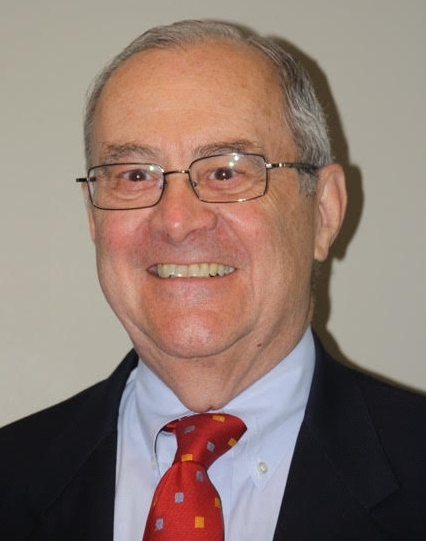
Howard A. Cohen
From official press release:
The Board of Directors of the Dialogue Institute announces the appointment of Howard A. Cohen as its new Executive Director, effective June 1, 2017. He succeeds Rebecca Mays (Executive Director since 2012) as she moves into a newly created role as Director of Education.
Mr. Cohen had served the Dialogue Institute (DI) Board as treasurer since 2013, after previously serving as a consultant. “We are delighted to have Howard in this new role as we anticipate continued growth and increased relevance as an organization, in a global context marked so often by violence and discrimination across religious, cultural and ideological difference,” said Board chair Majid Alsayegh. “Boosted by major grants from the U.S. Department of State and an international foundation, we look forward to exploring new opportunities in a variety of different settings, including meeting the needs of the international business community.”
Mr. Cohen is an experienced executive with an extensive background in the private, public and nonprofit sectors. In addition to managing companies in the United States and Great Britain, he has held senior policy and executive positions in federal and state government and nonprofit enterprises, and he has taught management and law at the university level for more than 30 years.
“The Dialogue Institute and its peer-reviewed Journal of Ecumenical Studies have much to offer, applying the intellectual efforts of the university to segments of our society where dialogue is needed now more than at any time since the 1940s,” said Cohen. “We have the leadership and expertise to make a greater impact, and it will be my task to help us do that. I look forward to working with our Board, staff and stakeholders in this critical work.”
Currently, Mr. Cohen has an active management consulting and public policy practice and teaches courses in business ethics as an adjunct professor at Temple University’s Fox School of Business and Management (Department of Human Resource Management). He received his M.B.A. in International Business and Transportation from George Washington University and both a J.D. and B.A. (political science and economics) from Rutgers University (Newark).
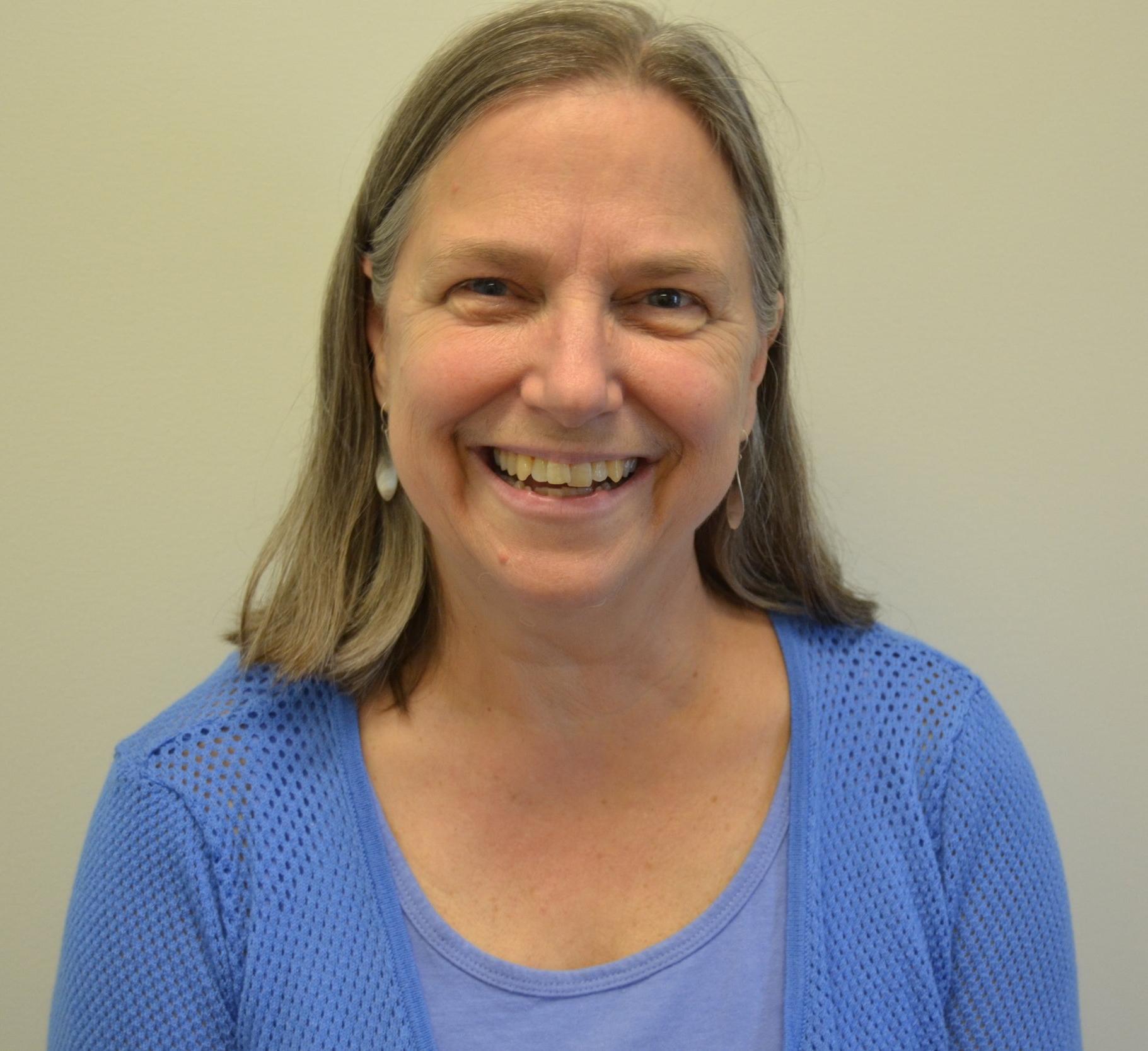
Rebecca Mays
Rebecca Mays looks forward to her new role as Director of Education and the opportunity to focus more specifically on program development, while also working to complete her Ph.D. dissertation from Temple’s Department of Religion. Ms. Mays brings professional publishing expertise and strong teaching experience as a Quaker educator to her role. She has taught internationally and served on the Christian and Interfaith committee of the Friends General Conference, and represented Quaker interest in interfaith work at the 1998 Assembly of the World Council of Churches. She presently serves as a representative on the administrative group of the Philadelphia Religious Leaders’ Council.
Prior to coming to Temple in 2008, she served as the director of a Master's program in English and Publishing at Rosemont College. She holds a B.A. in English from Earlham College and an M.A. in Folklore and Folklife from the University of Pennsylvania. She completed her M.A. in Religious Studies at Temple as a graduate fellow and intern at the DI prior to joining the staff.

Ann Schroeder
In addition to staff changes, the DI also announces the addition of two new Board members: Ann Schroeder and Dr. John Esposito.
Ms. Schroeder is the founder and chief executive officer of GlobalSource Partners, Inc. The company, founded in 1994 as LatinSource, later merged into GlobalSource Partners, Inc. to service the growing needs for investment analysis across emerging markets globally; the company currently provides coverage on 24 developing countries. Ms. Schroeder assumes responsibilities as the new Board treasurer.

John Esposito
Dr. Esposito is Professor of Religion and International Affairs and of Islamic Studies at Georgetown University and founding director of the Prince Alwaleed bin Talal Center for Muslim-Christian Understanding in the Walsh School of Foreign Service. Previously, he was Loyola Professor of Middle East Studies at the College of the Holy Cross.
Participants from 18 Countries Complete DI's First SUSI for Scholars on Religious Pluralism
Eighteen scholars from 18 countries completed the Dialogue Institute's first-ever Study of the U.S. Institute (SUSI) for Scholars - Religious Pluralism in the United States on August 5th.

Eighteen scholars from 18 countries completed the Dialogue Institute's first-ever Study of the U.S. Institute (SUSI) for Scholars - Religious Pluralism in the United States on August 5th.
The intensive six-week program, sponsored by the U.S. Department of State's Bureau of Educational and Cultural Affairs, introduced scholars from Algeria, Albania, Bangladesh, Brazil, Cameroon, China, Czech Republic, Egypt, Finland, Georgia, India, Indonesia, Mongolia, Philippines, Portugal, Russia, Sri Lanka, and Turkey to central elements of U.S. history, society, and institutions through a focus on religious pluralism and democracy in the American context. Representing a variety of academic disciplines, the scholars ranged from an Egyptian Muslim professor studying and serving the minority Copt population to a Finnish Lutheran priest equipping himself to train teachers in religious pluralism; and from a professor following the intellectual heritage of pacifism in India with connections to the U.S. to several European scholars promoting religious pluralism in their respective countries - Albania, Georgia, Portugal, Spain.
"The scholars who participated in the Institute are all sophisticated global citizens dedicated to the highest standards of teaching and writing as seasoned public intellectuals in their own countries," said Director of Education Rebecca Mays. "We at the Dialogue Institute were honored to be able to host and administer this program for the first time, and look forward to cultivating this network of scholars to engage collaborative projects and provide ongoing support for their work."

A month-long residential component in Philadelphia, based at Temple University, included a rigorous academic program, cultural, historical and religious site visits, engagement with a wide variety of American scholars and local religious practitioners, and opportunity for independent research. Scholars also had a chance to interact with and mentor 19 young people from the Middle East who were participating in the DI's SUSI for Student Leaders on Religious Pluralism in the United States; several overlapping activities included a special concert with Atzilut, a high-energy Middle Eastern ensemble featuring Arab and Jewish musicians (pictured above).

Scholars in a session with DI Board member John Esposito, Professor of Religion and International Affairs and of Islamic Studies at Georgetown University, and Founding Director of the Alwaleed Center for Muslim-Christian Understanding.
Study tours rounded out the Institute, with shorter visits to Lancaster (PA) and New York City, and a two-week trip to Colorado (Denver), Arizona (Flagstaff, Grand Canyon, Sedona, Phoenix) and Washington, D.C. Scholars returned to their home countries with the charge to incorporate what they have learned about the United States and religious pluralism into their classroom curriculums.