

UNESCO Art Camp and Dialogue 2024 at Temple University Rome
This video piece was created by Alina Vasieikina - @alina_vasie on Instagram.

The UNESCO Art Camp and Dialogue program at Temple University Rome kicked off with a whirl of creativity, connection, and meaningful discussions. A diverse group of artists converged, armed with their art supplies and a passion for fostering intercultural dialogue. Around half of the group were Italian-born artists and the others were living as refugees in Italy or other European countries. The program provided a platform for participants to express their artistic talents while exploring important themes of identity, bias, and leadership.
The program commenced with a vibrant start as participants received their art supplies and savored a delicious breakfast at a local cafe. Fueled by energy and anticipation, the group gathered to embark on an enlightening journey. Dr. Andi Laudisio, Dr. David Krueger, and Sergio Mazza from the Dialogue Institute, UNESCO Goodwill Ambassador Hedva Ser, and Artistic Director Jean Michel Armengol set the stage with an introductory session on intercultural dialogue. The lecture prompted thought-provoking discussions, laying the foundation for the coming days.


Over the next week, we saw art become a vehicle for dialogue as participants engaged in various workshops. Following the workshops, the group engaged in a dialogue on identity and asked important questions like “How is identity created?” and “How is identity shifted during migration?”. Through this profoundly engaging session, we explored the shared experiences between immigrants and individuals within their home country when faced with the effects of migration. The day was a stepping stone towards bridge-building and lasting connections among the participants.

The creative process seamlessly intertwined with structured and informal dialogues, creating an immersive and enriching experience for everyone involved. Special guest, Ms. Lydia Ruprecht from UNESCO, added her invaluable insights to the workshops and joined the participants for a memorable dinner ceremony.


At the end of the program, participants shared their artwork, performances, and creative pieces during a public exhibition at Temple University’s Rome campus, hosted by Dean Emilia Zankina. During the closing ceremony, all participants received “Global Dialogue Through Art” certificates and digital badges from Temple University’s Office of Noncredit and Continuing Education.
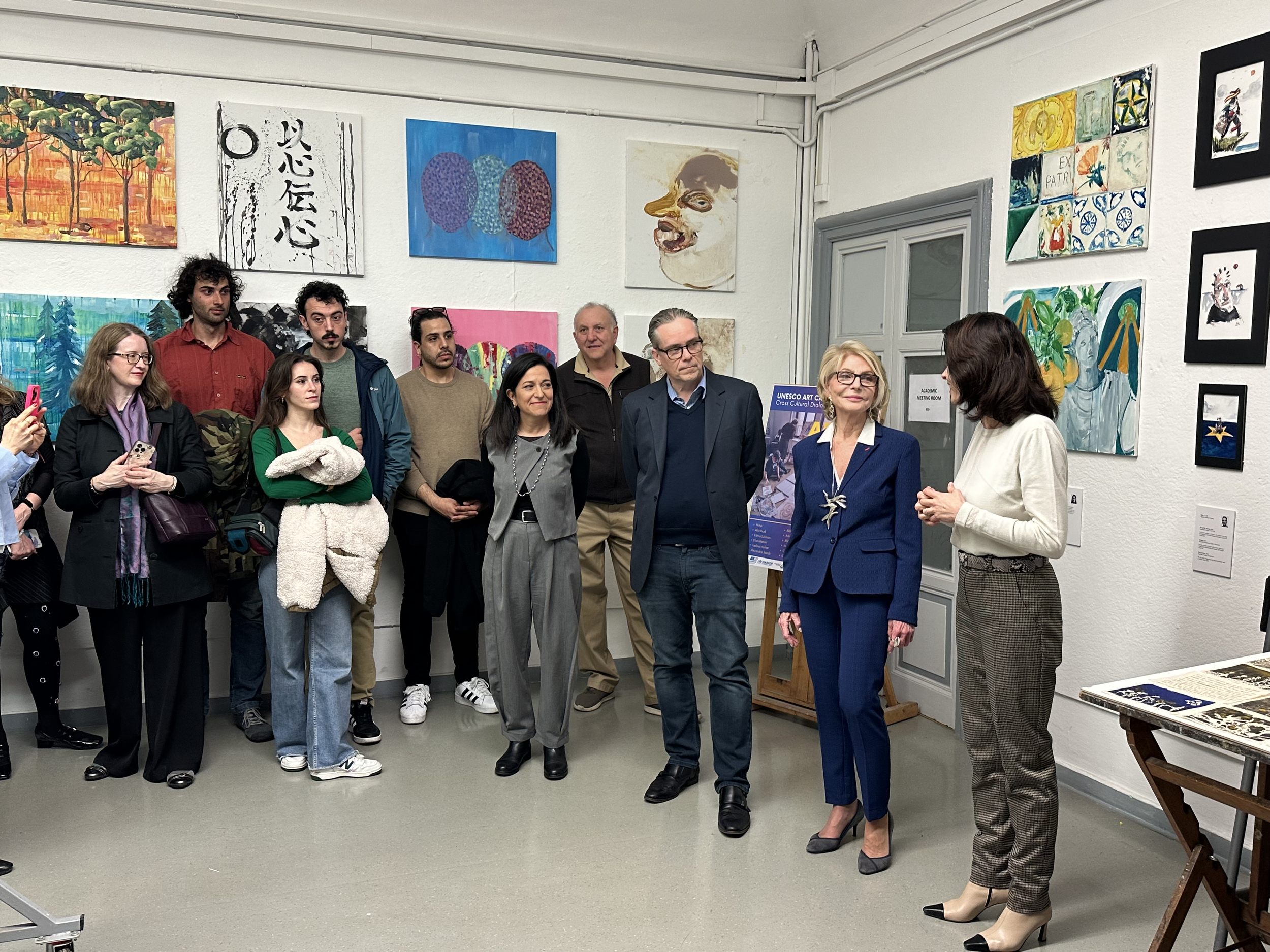
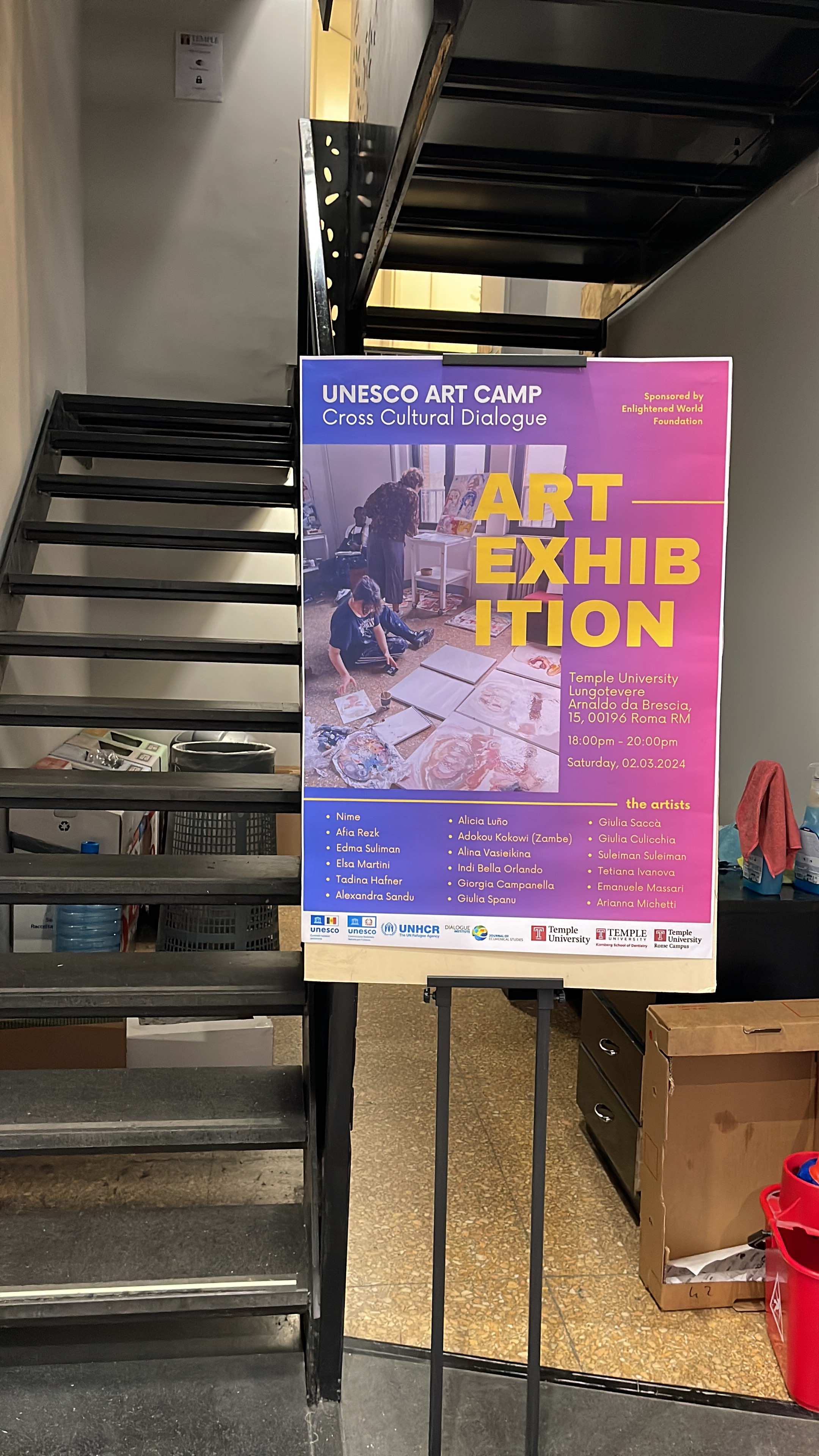
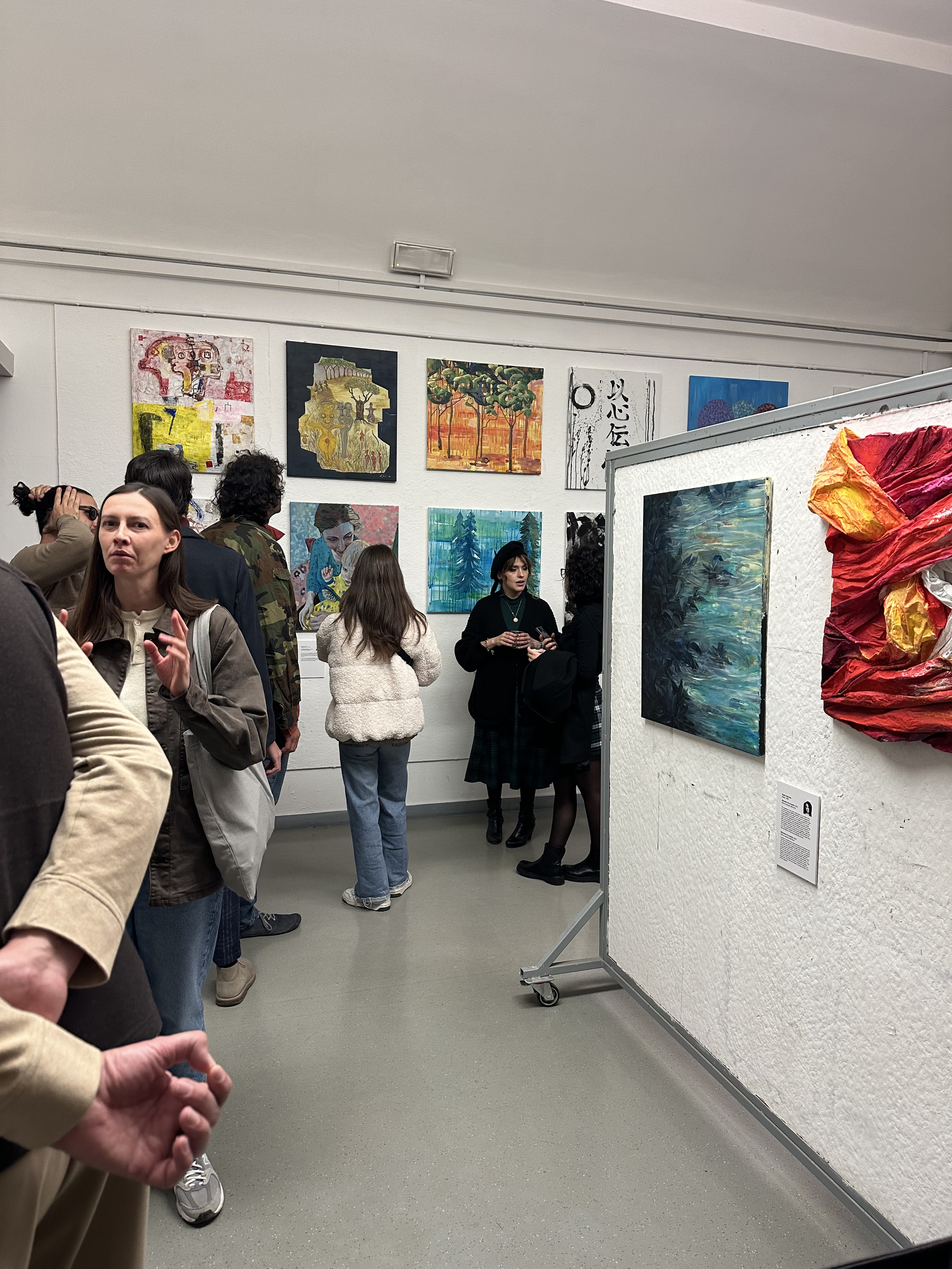
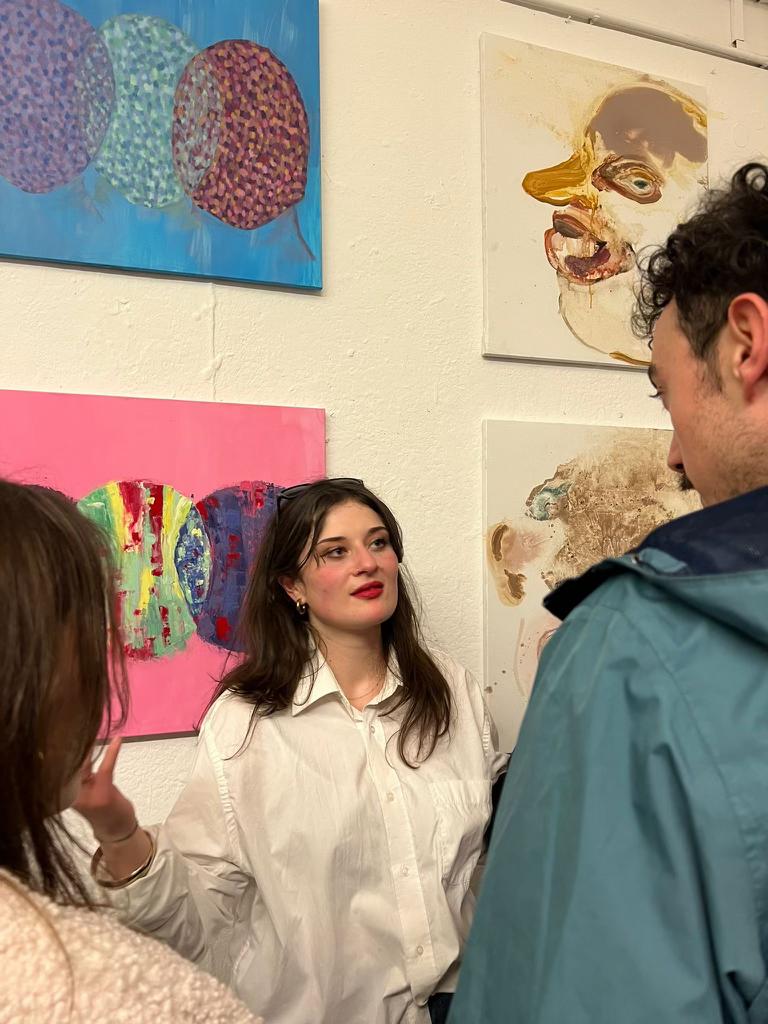
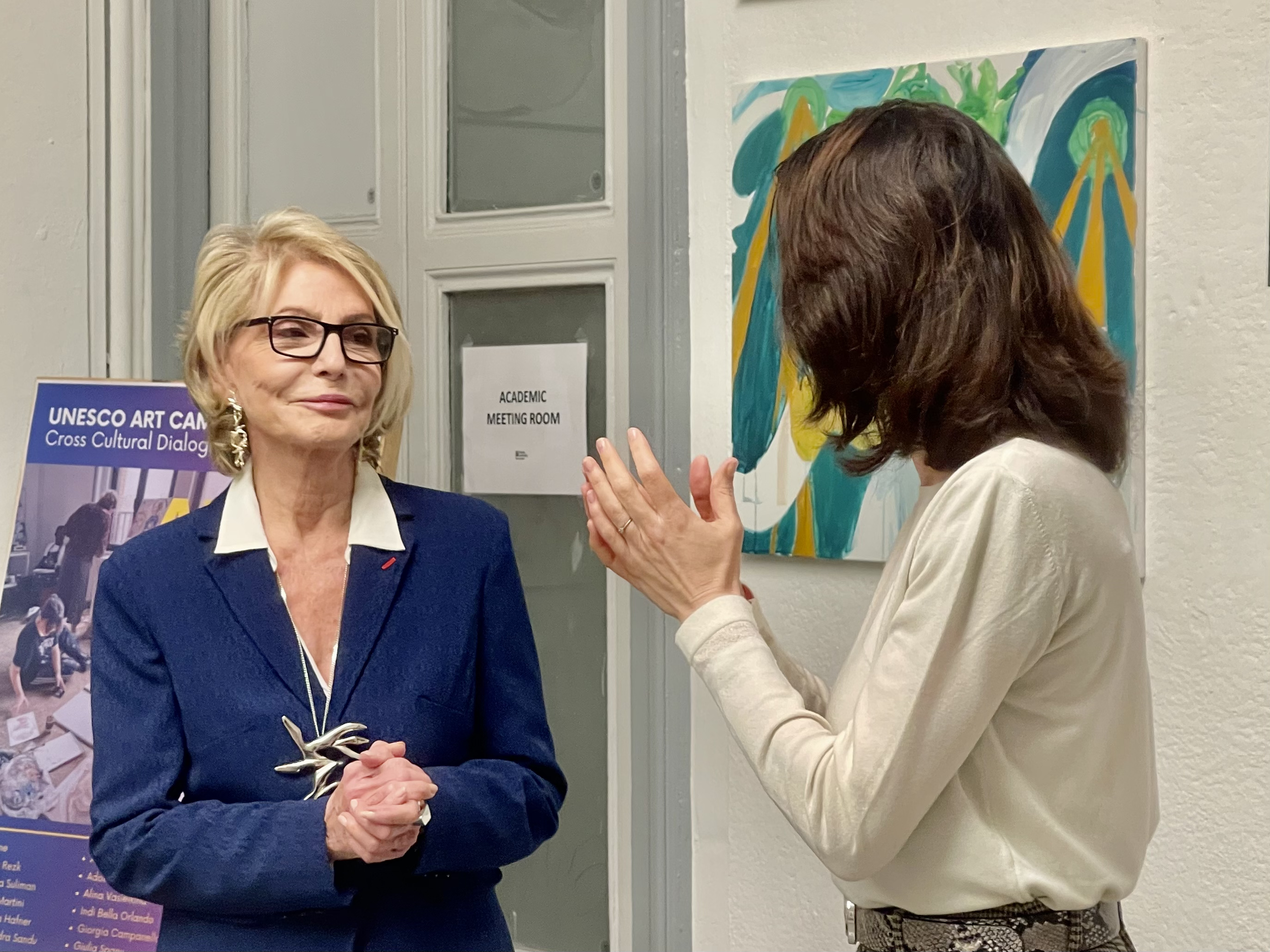
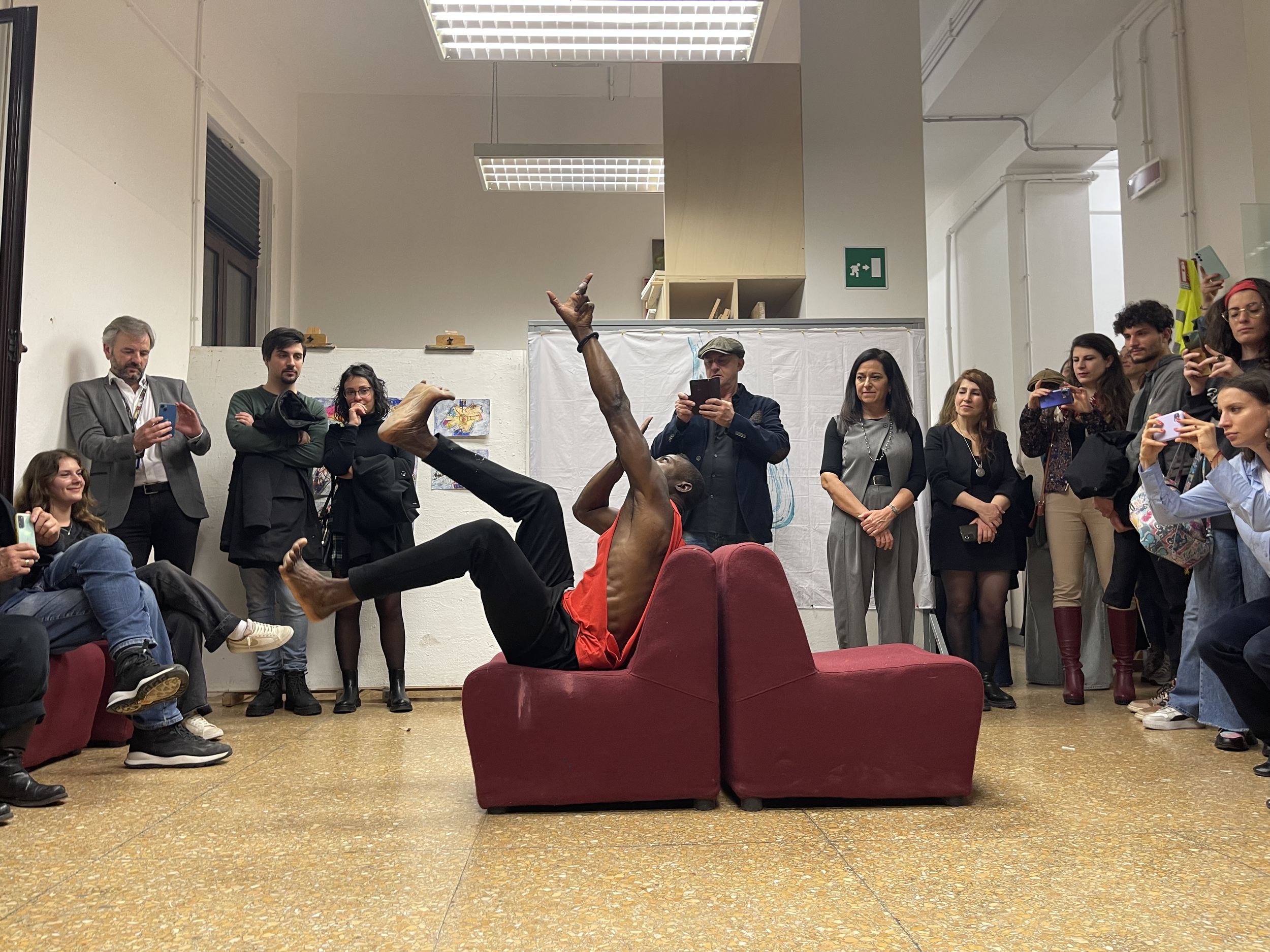
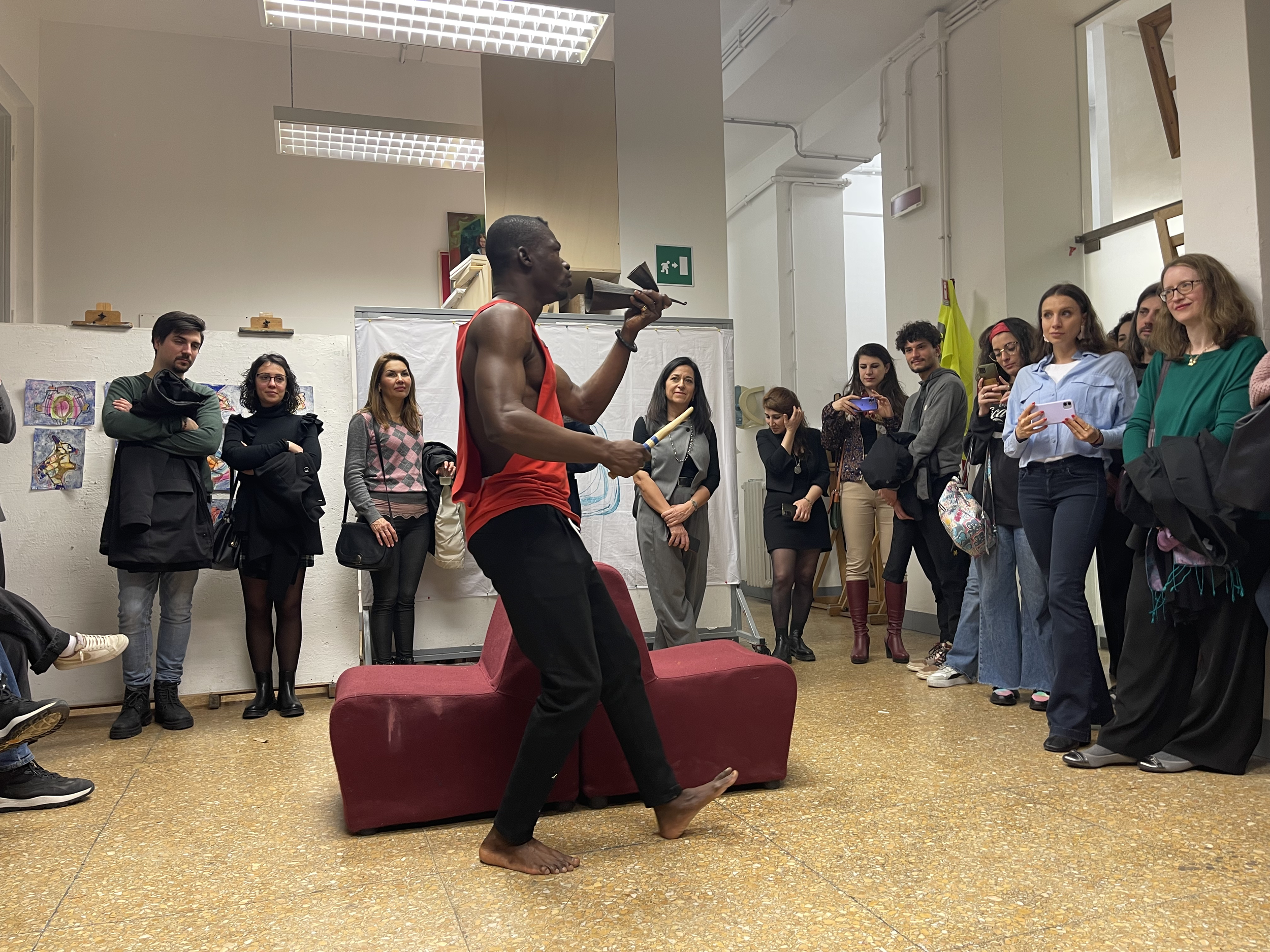
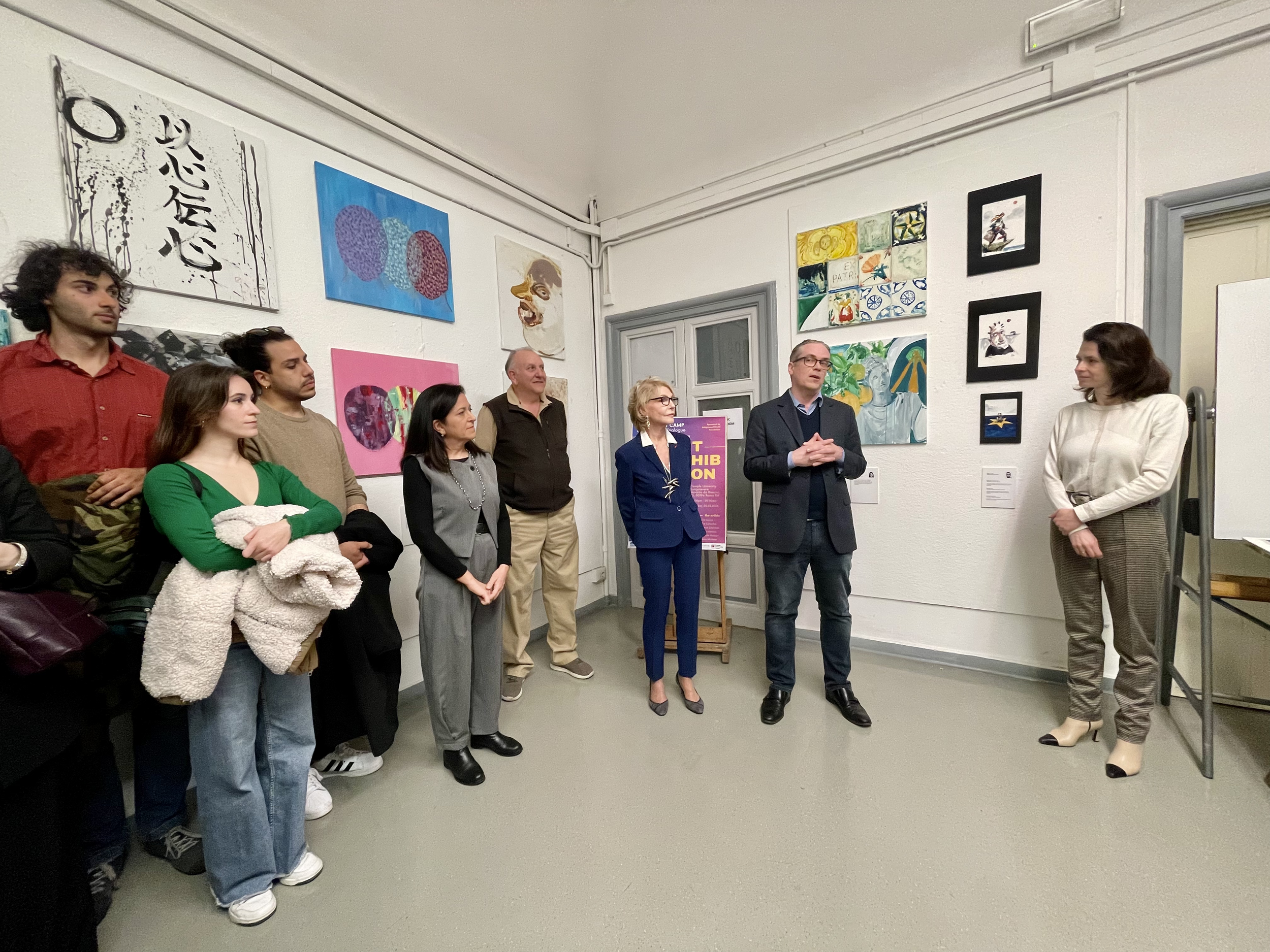
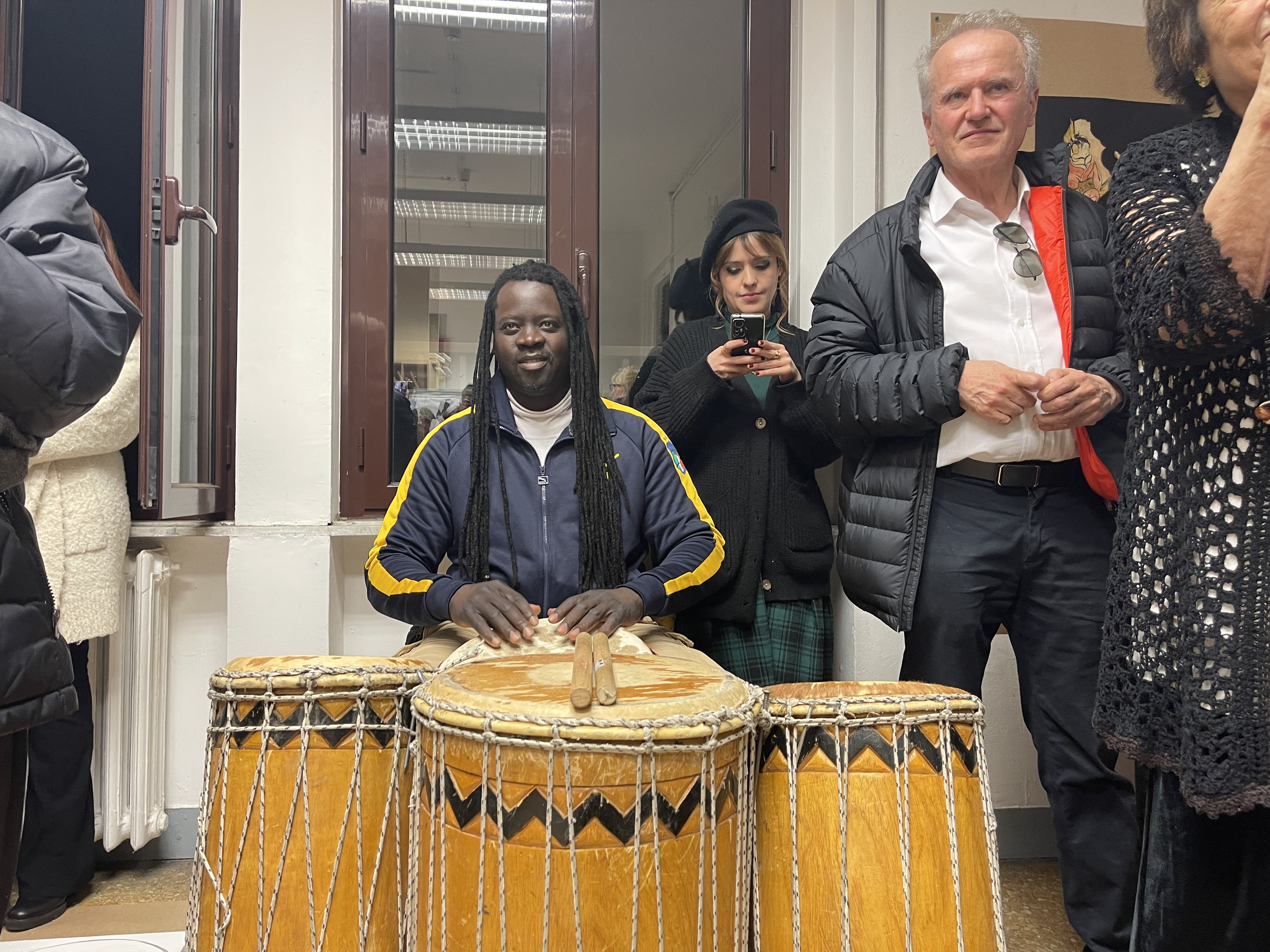
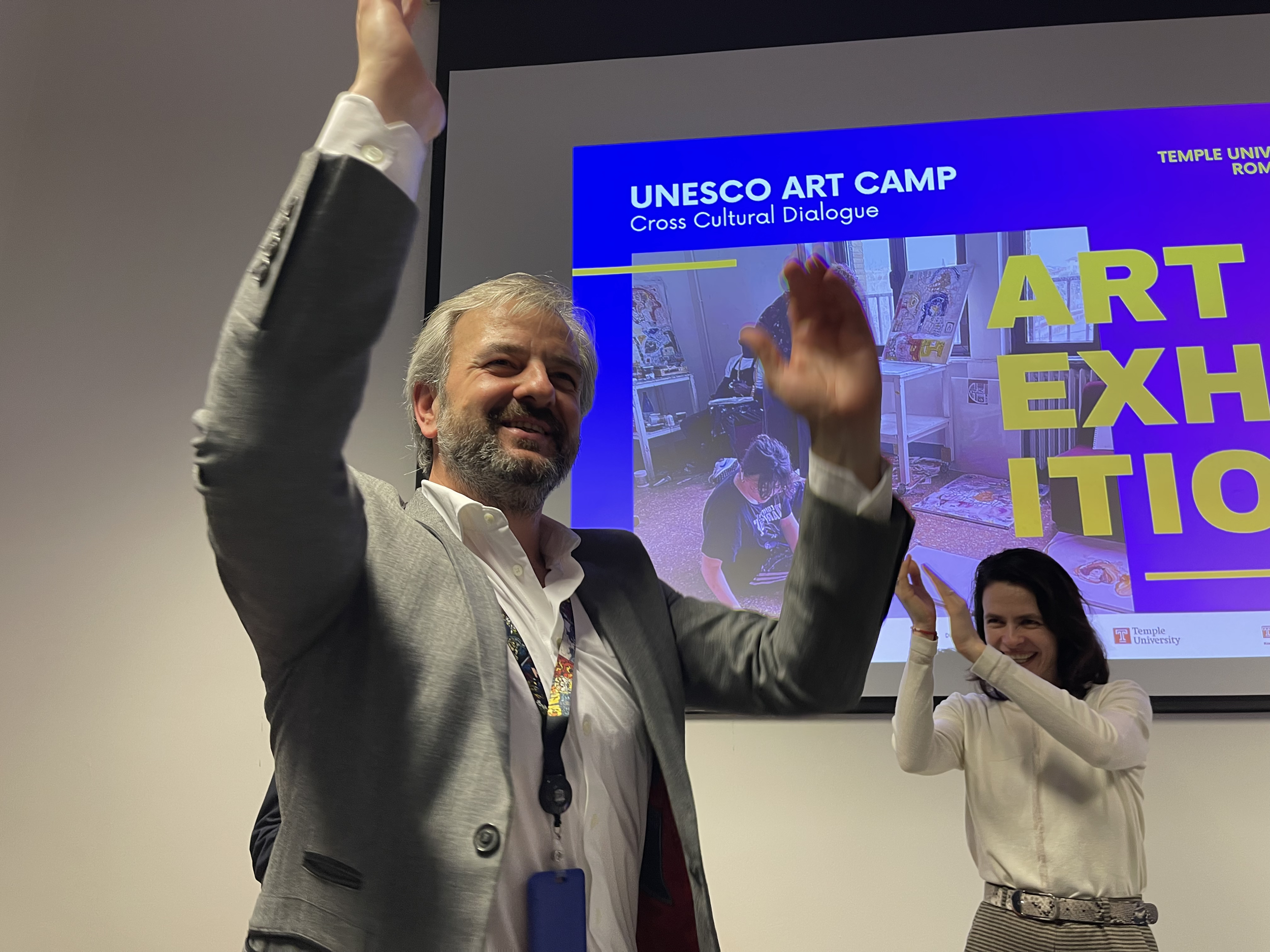
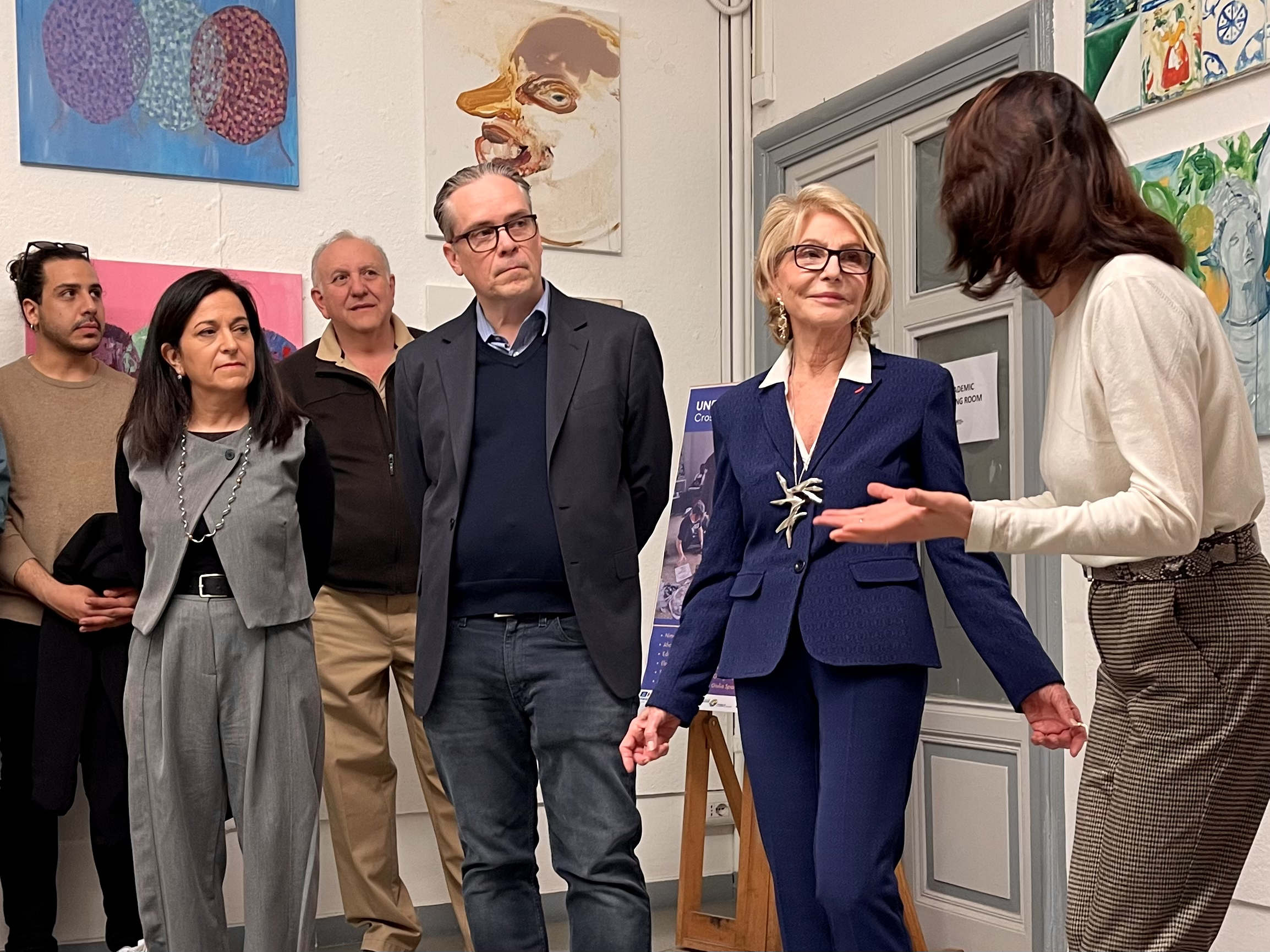
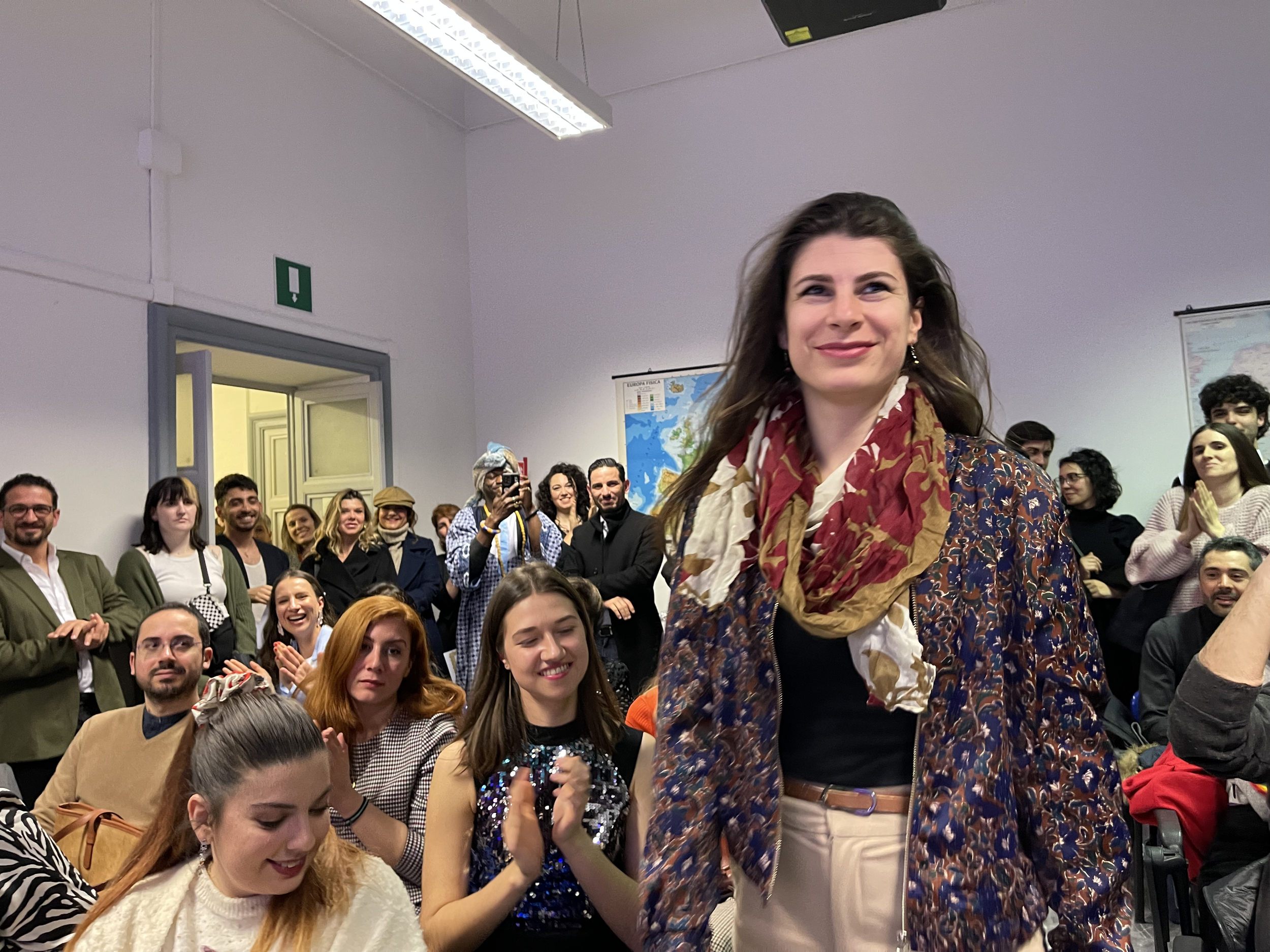
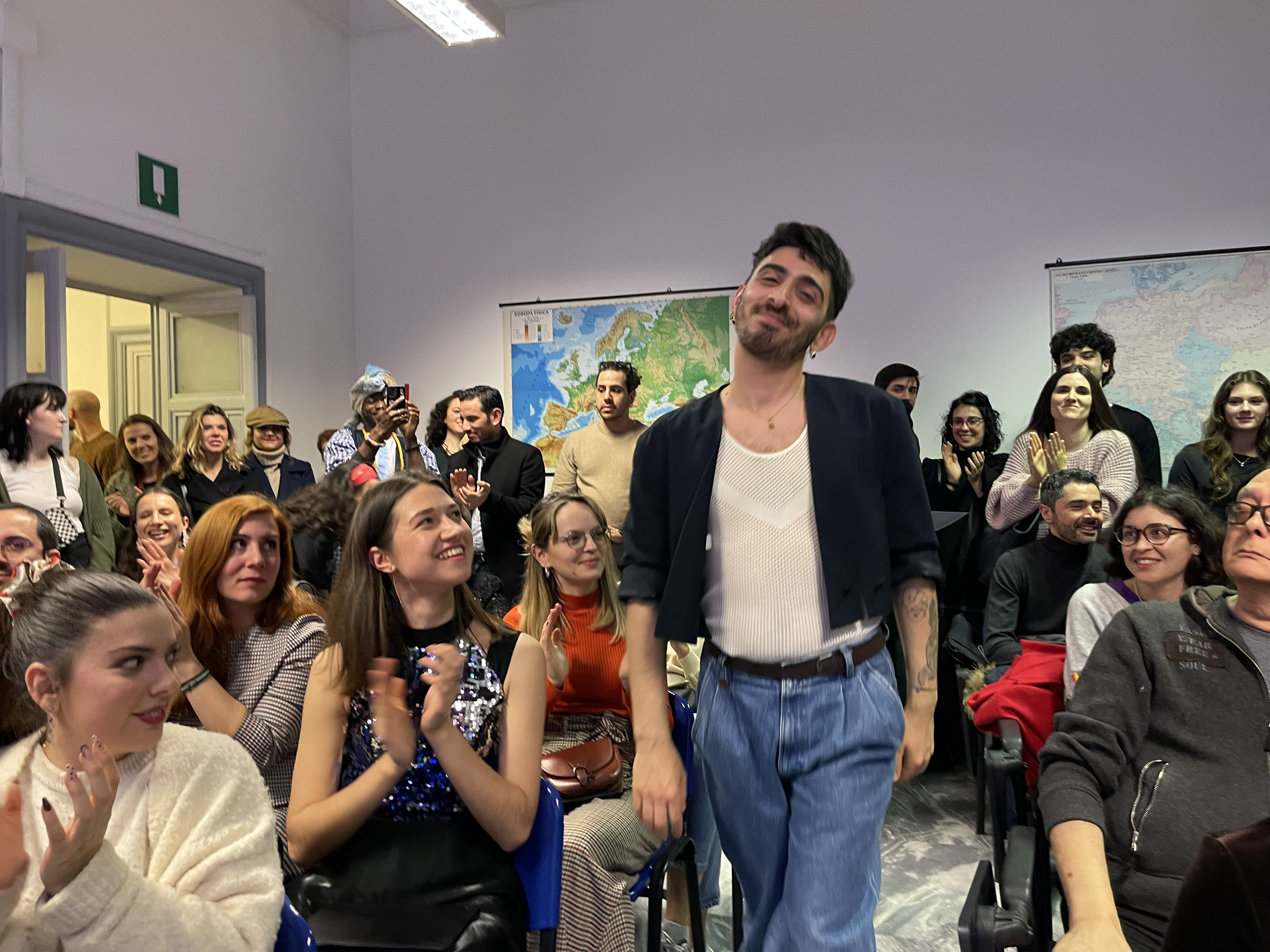
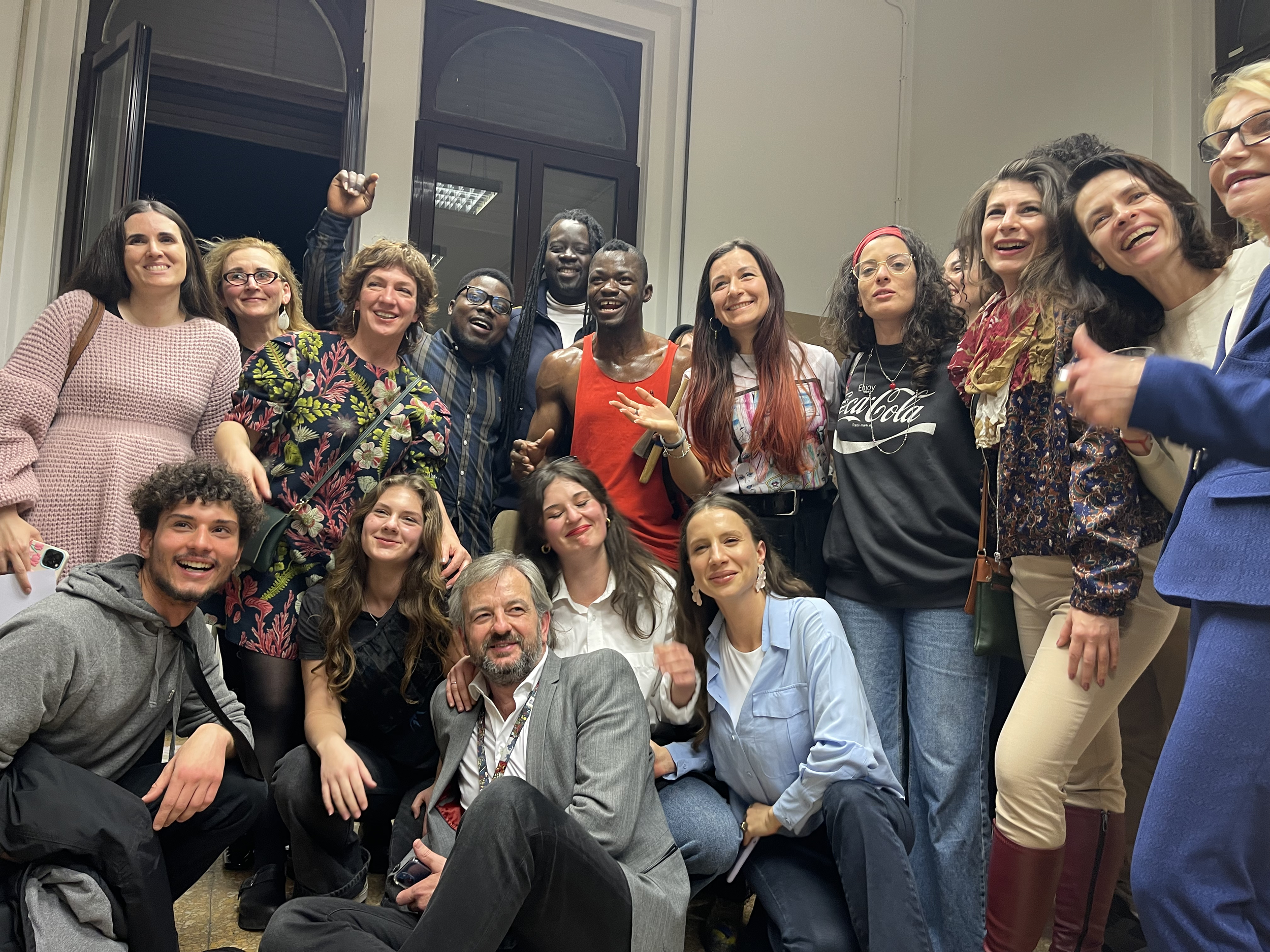
The 2024 UNESCO Art Camp and Dialogue program has been a wonderful collaboration among the Andorran National Commission for UNESCO with the support of the Italian National Commission for UNESCO, Assistant Director General of UNESCO for Education, Ms. Stefania Giannini, and the United Nations High Commissioner for Refugees (UNHCR) in Rome, UNESCO Goodwill Ambassador for Cultural Diplomacy, Madam Hedva Ser, Dr. Amid Ismail, Dean, and Laura H. Carnell, Professor, Temple University Kornberg School of Dentistry, and our team of facilitators from the Dialogue Institute in Philadelphia. The program has provided a space for artistic exploration, dialogue, and connection. Funding was provided by The Enlightened World Foundation, a long-time supporter of the Dialogue Institute.
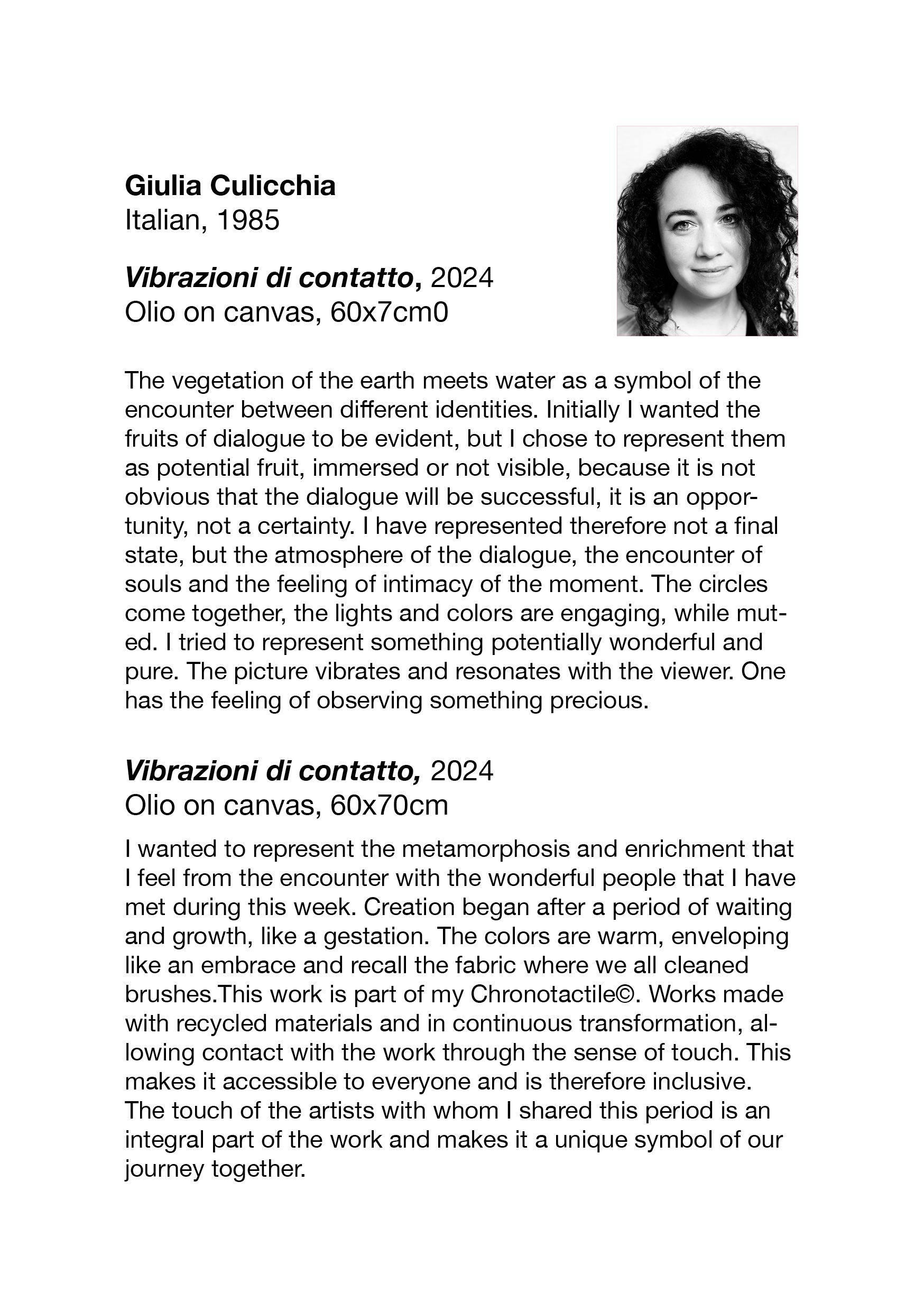
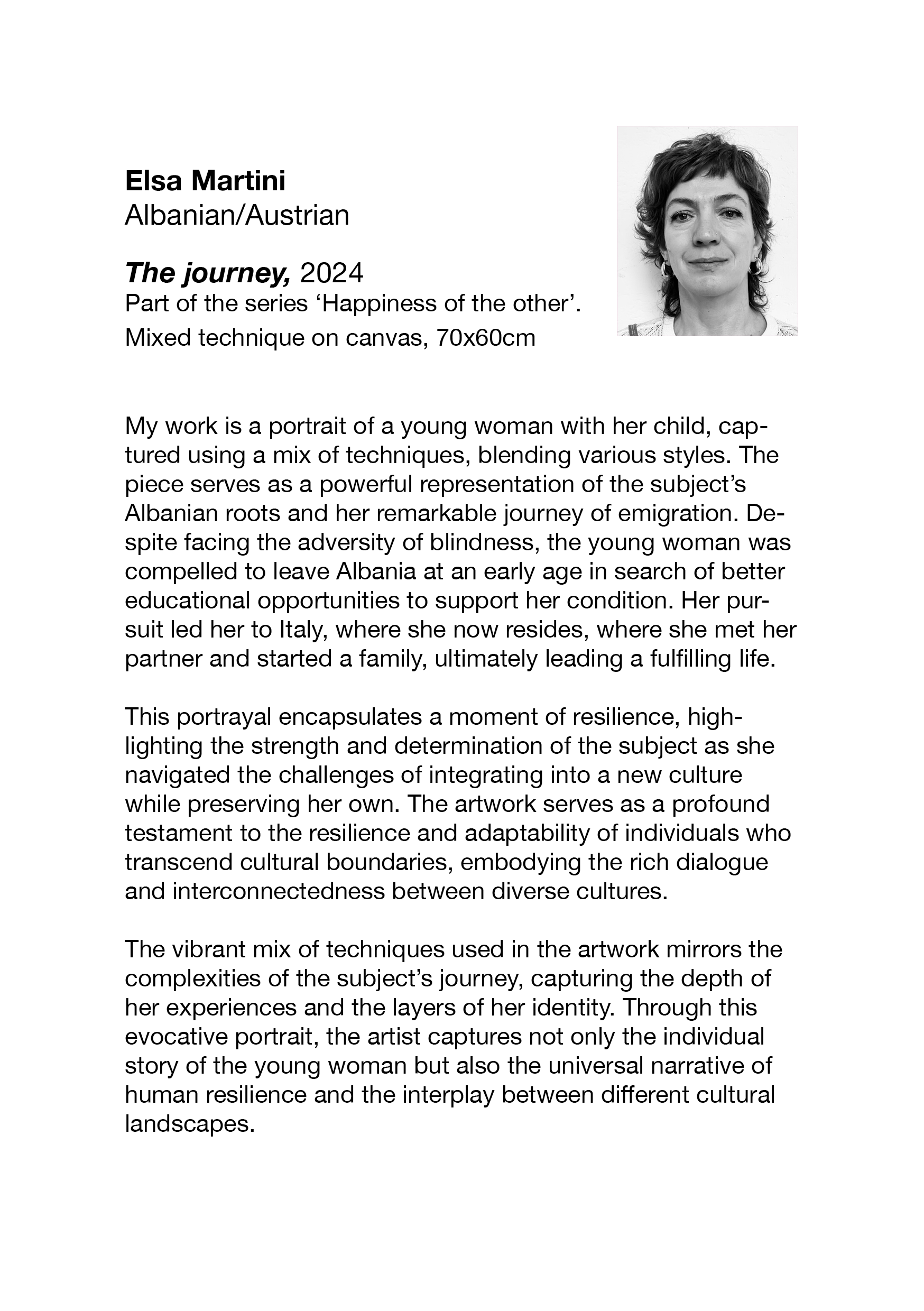
Meet the Artists
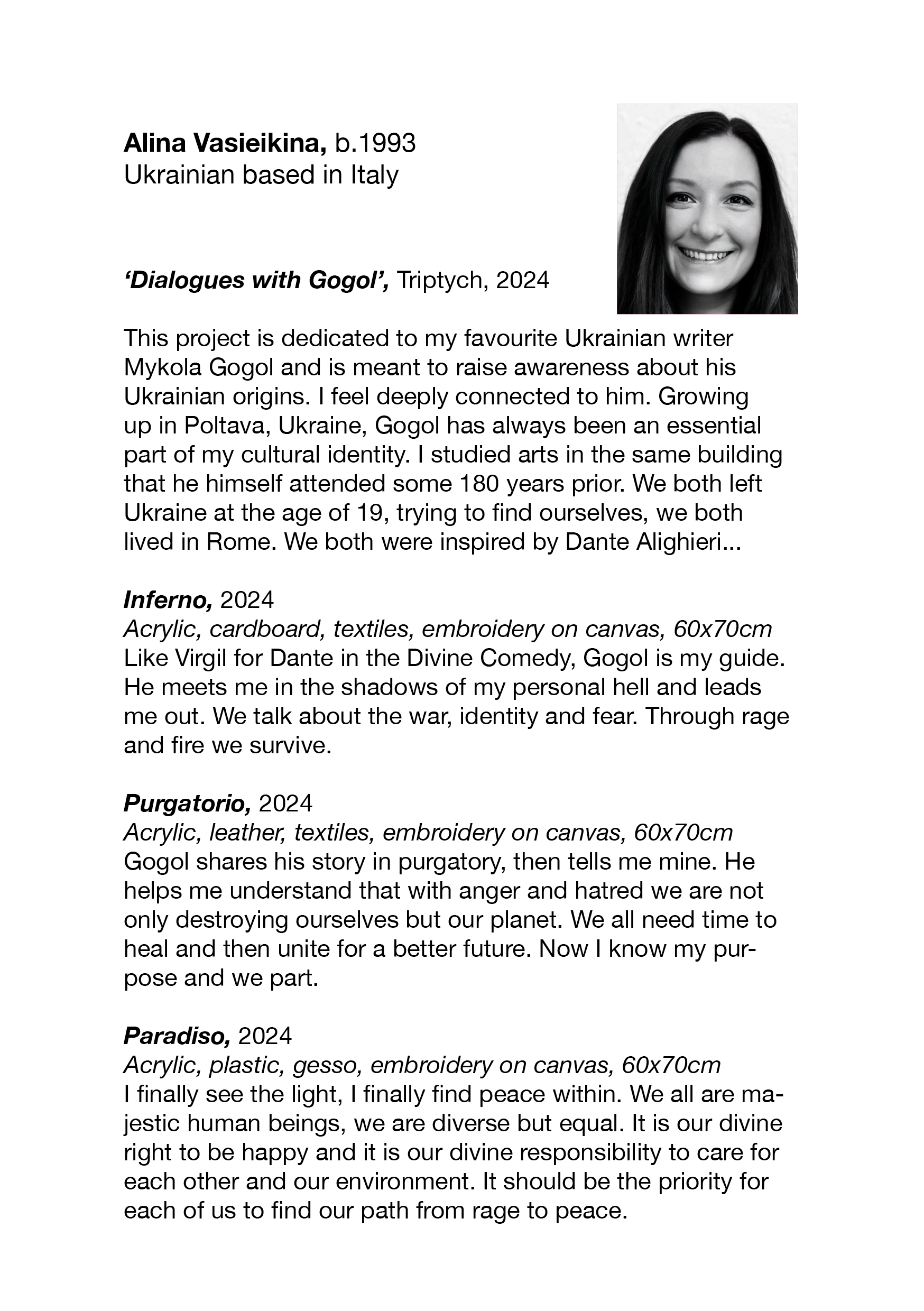
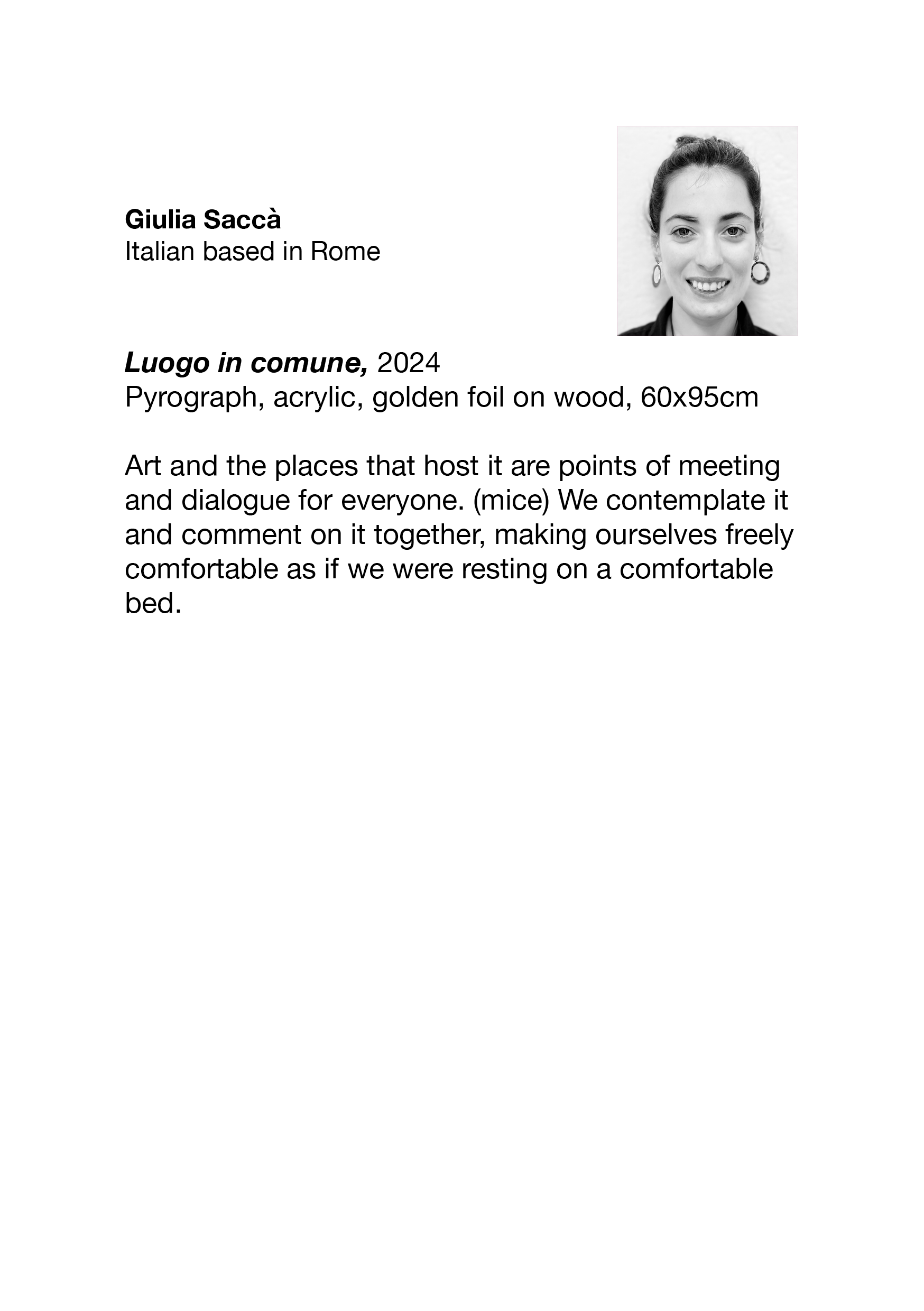
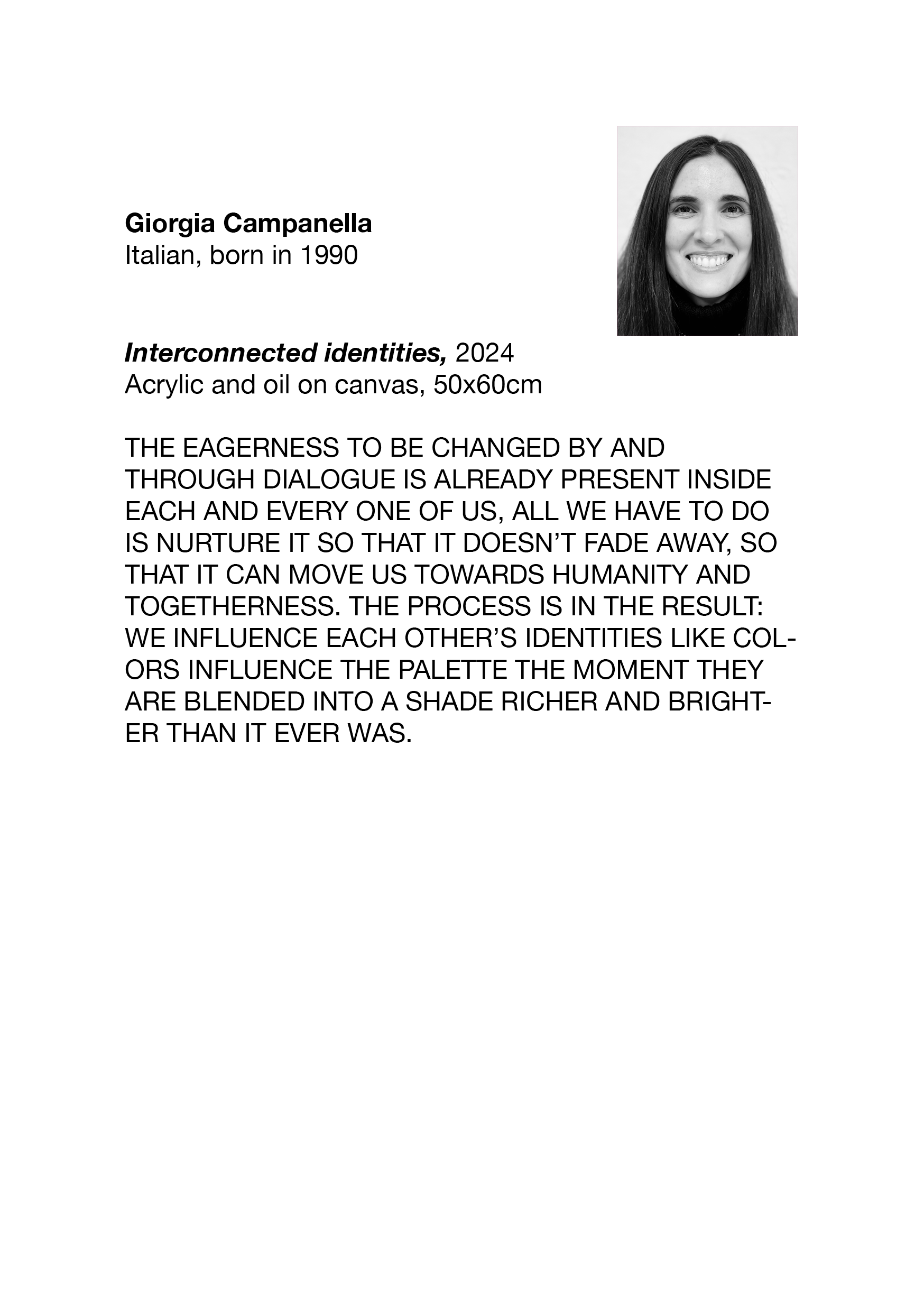
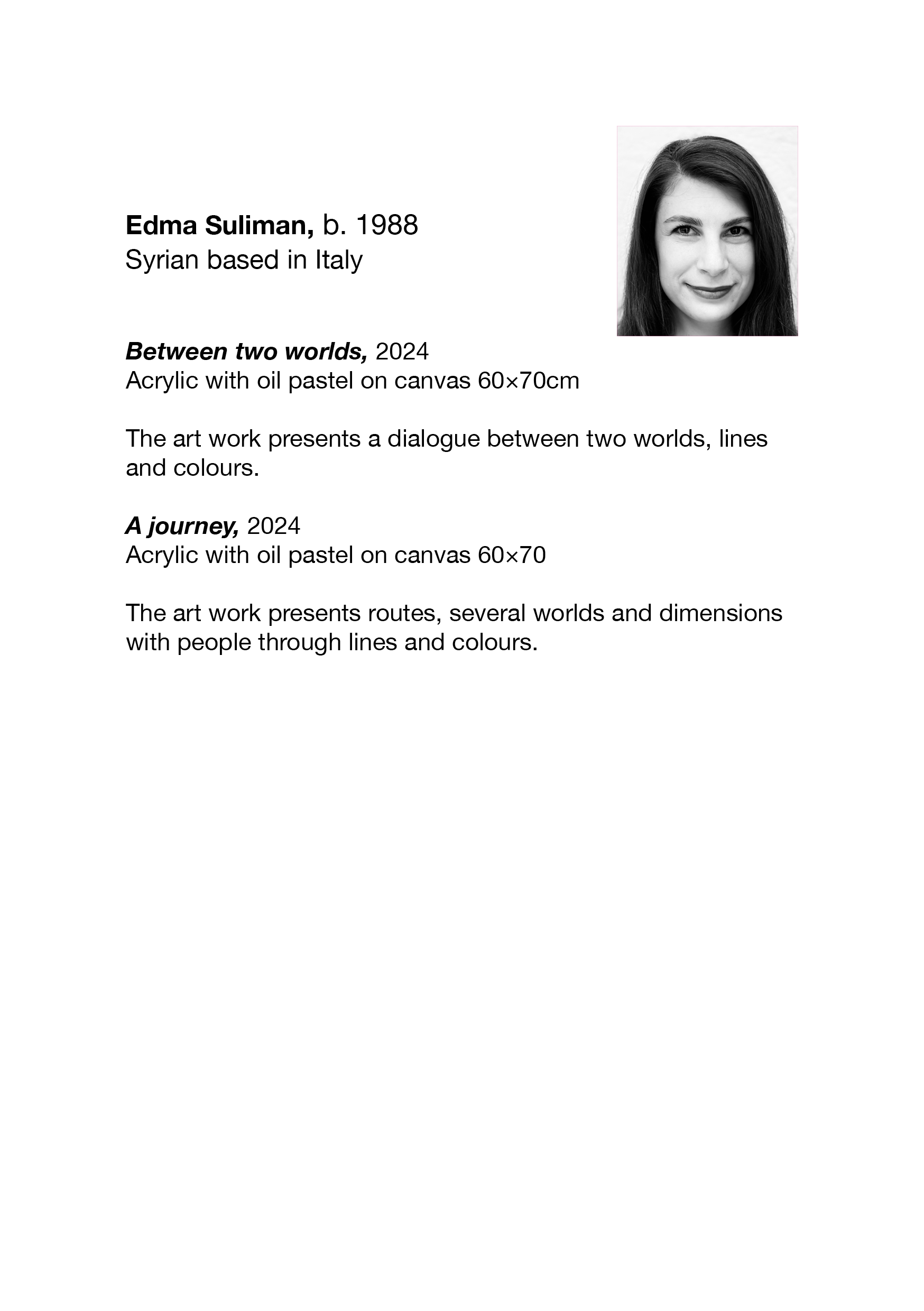

Exciting Projects Under Way and Opportunities Await in 2024
We are thrilled to unveil the exciting projects that will shape the upcoming season!
As an organization committed to fostering dialogue, understanding, and cultural exchange, these initiatives represent our dedication to creating meaningful connections and transformative experiences.

Global Dialogue Through Art
One of our standout projects is the UNESCO Art Camp and Dialogue: Roma 2024, supported by the Enlightened World Foundation.
Amid wars in various parts of the world and the controversial political debates on immigration and refugees, a bright candle will be lit at Temple University Rome, where 19 junior artists who have sought refuge in Europe and who represent countries such as Lebanon, Syria, Palestine, will join artists from Italy and Andorra, to share and learn from each other’s experiences and perspectives on humanity through art and oral dialogue skills that will be developed during the week-long camp. Dialogue Institute staff members will spend the week with the artists to provide dialogue training and facilitate conversations.
This program was envisioned by Dialogue Institute board member Amid Ismail and is a partnership between the Kornberg School of Dentistry, Temple University - Rome, and UNESCO.


Mapping Spaces of Meaning
Temple University’s Office of Institutional Diversity, Equity, Advocacy, and Leadership (IDEAL) has joined with us to implement the Mapping Spaces of Meaning Project, which engages Temple students in an initiative to identify sacred spaces on and near Temple’s North Philadelphia campus that speak to diverse identities and spiritual life. The project aims to foster meaningful dialogue on campus and build bridges across religious and cultural differences. Students will create a digital map and share their findings at a public event in April.
Summer Institute on Religious Diversity and Democracy in the U.S.
We are pleased to announce the continuation of our Study of the U.S. Institutes (SUSI) program on religious diversity and democracy this summer, a flagship initiative that aims to foster cross-cultural understanding and equip students for leadership in their home countries of Egypt, Lebanon, Iraq, India, and Indonesia. Sponsored by the U.S. Department of State, Study of the U.S. Institutes program, SUSI Summer 2024 provides an immersive experience through interactive sessions, site visits, and networking opportunities. This program is designed to empower young leaders to make a positive impact in their communities and promote global cooperation.


Dialogue and Human Rights
On January 31st, Executive Director David Krueger delivered a presentation on human rights, democracy, and peacebuilding at the Peace Islands Institute New Jersey. Topics covered included why open conversations are vital, when they're most impactful, and the techniques to effectively employ them in peacebuilding endeavors.


Democracy and Diversity Tour for a European Delegation
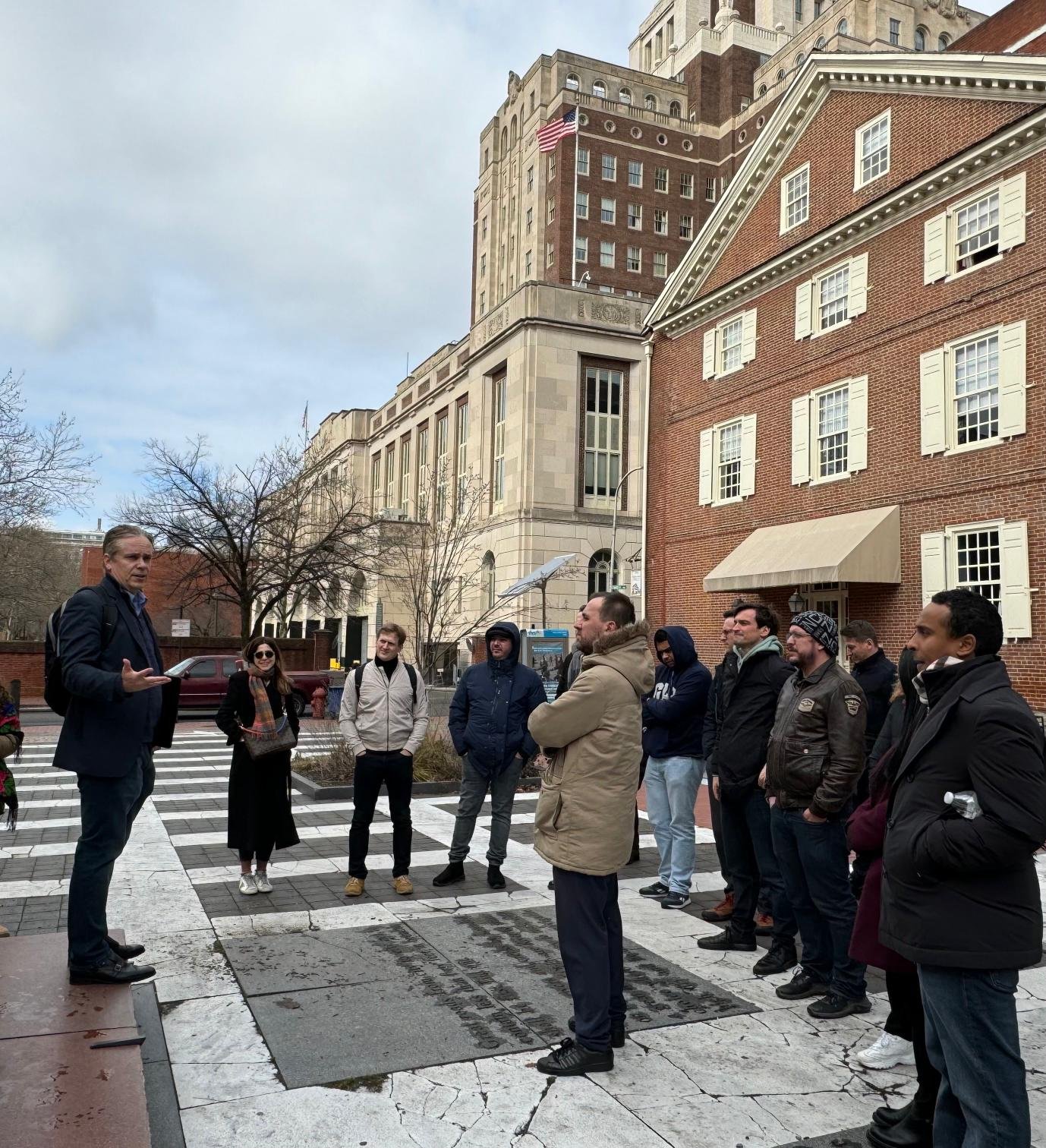
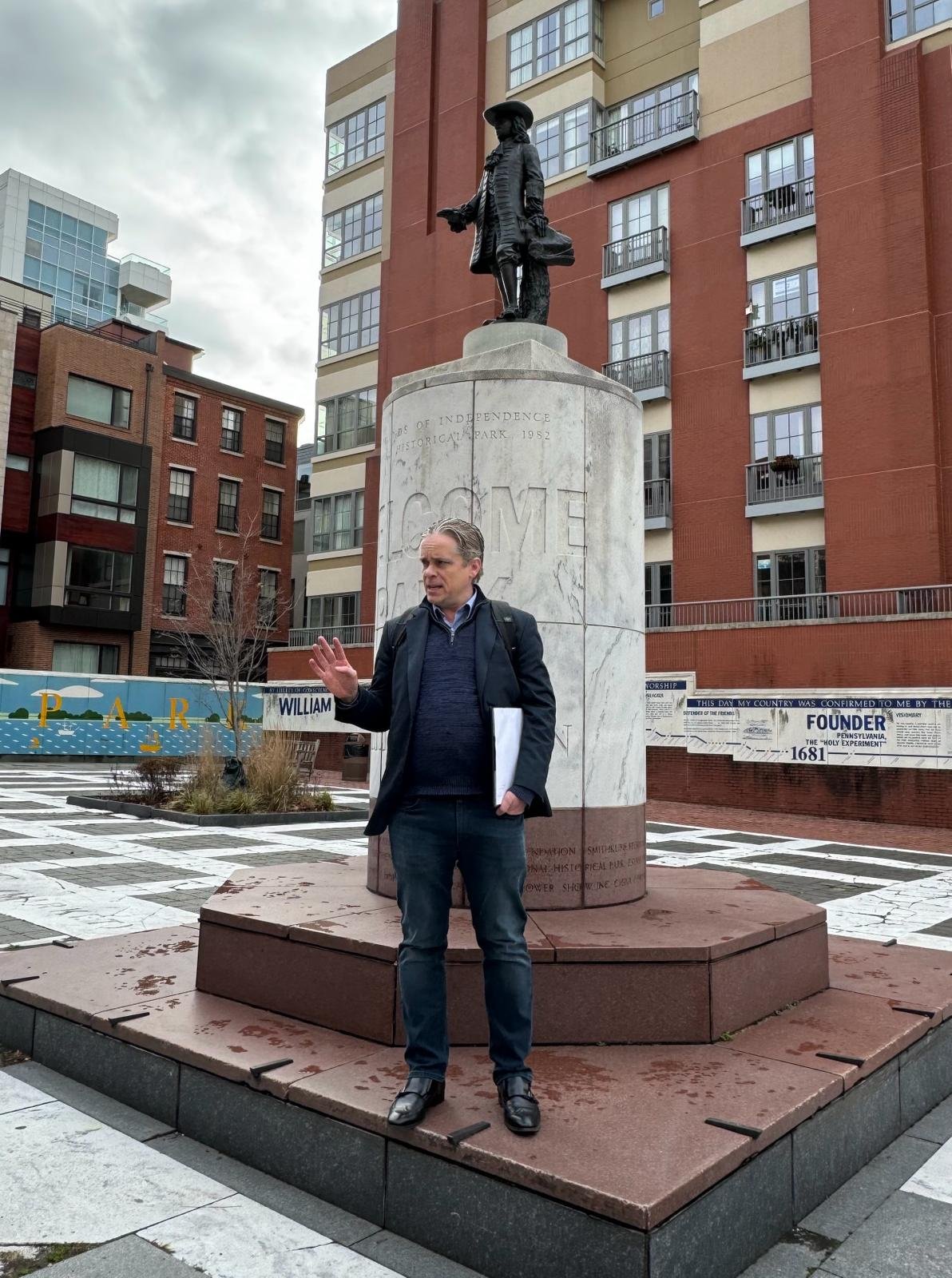
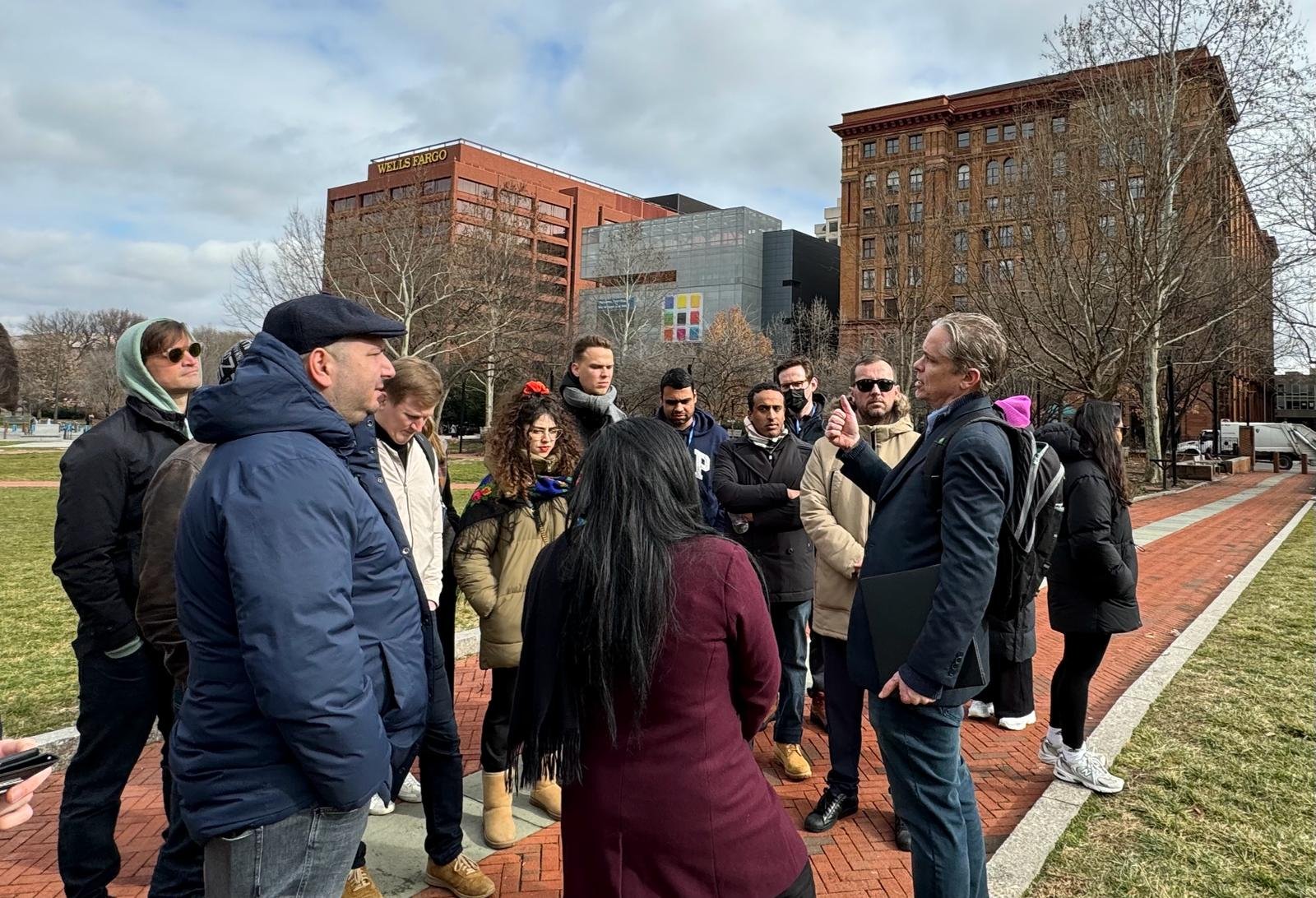
Dr. Krueger led a religious diversity and democracy history tour for a group of 18 European leaders who were part of the U.S. State Department’s International Visitor Leadership Program. The World Affairs Council of Philadelphia brought the group to us, including mayors, parliament members, journalists, and other government officials from across the continent. The walking tour used the story of Philadelphia’s religious diversity during the founding period to open up a conversation about national identity, public history, and the challenges and opportunities of life in diverse democracies.
As the Dialogue Institute ushers in the new season, we invite you to follow our journey and connect with us! To learn more about each project and how to get involved, visit the provided links:
Stay tuned for more updates!

2023 Book Review Roundup: Journal of Ecumenical Studies
As 2023 comes to a close, we are happy to report that the Journal of Ecumenical Studies reviewed 14 books this year! We had a great selection of important interreligious and ecumenical works highlighting the diversity of the fields in 2023.

Our year started with Eugene Fisher reviewing Fred Lazin’s book American Christians and the National Interreligious Task Force on Soviet Jewry: A Call to Conscience, published by Rowman & Littlefield.
Read it here: https://muse.jhu.edu/pub/56/article/890324.


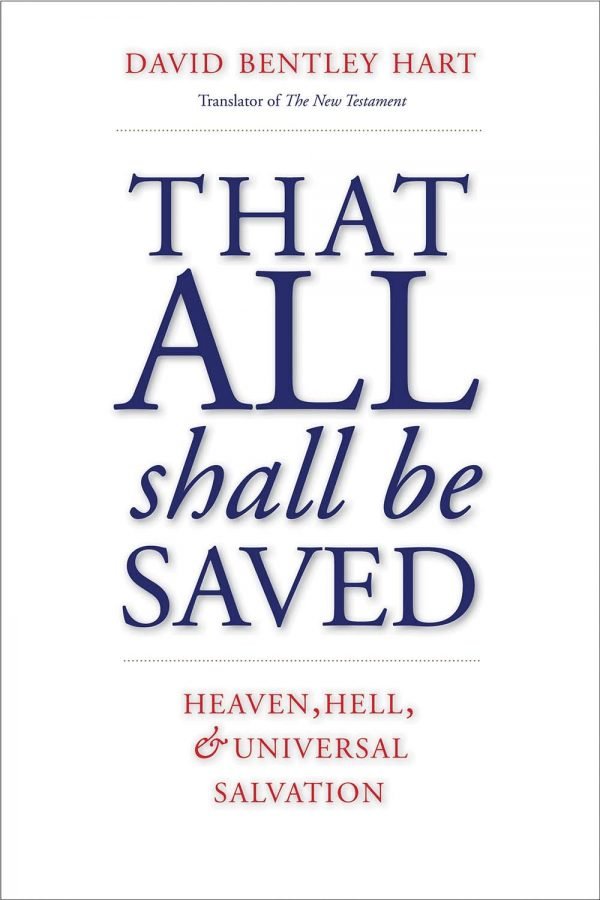
Glenn B. Siniscalchi reviewed David Bentley Hart's That All Shall Be Saved: Heaven, Hell, and Universal Salvation, published by Yale University Press, commenting that “This book is a mesmerizing defense of the claim that everyone will freely submit to the Christian God…” Read it here: https://muse.jhu.edu/pub/56/article/890325.
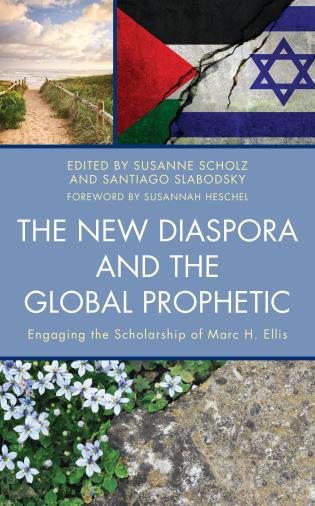
Seth Ward reviewed Susanne Scholz’s and Santiago Slabodsky’s edited volume, The New Diaspora and the Global Prophetic: Engaging the Scholarship of Marc H. Ellis, published by Lexington Books/Fortress Press. Review: https://muse.jhu.edu/pub/56/article/890326


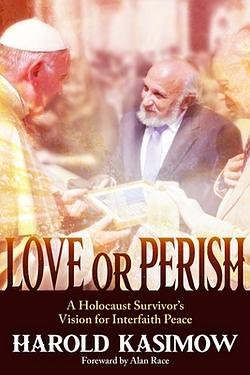
"The supreme value of the book is Kasimow’s remarkable gift of self-portraiture.” Peter A. Huff reviewed Harold Kasimov’s book Love or Perish: A Holocaust Survivor's Vision for Interfaith Peace, published by iPub Global Connection.
Read it now at https://muse.jhu.edu/pub/56/article/890328.
Jonathan C. Friedman reviewed Peace and Faith: Christian Churches and the Israeli-Palestinian Conflict by Cary Nelson and Michael C. Gizzi and published by Academic Studies Press. The review is available here at https://muse.jhu.edu/pub/56/article/890327.


Journal of Ecumenical Studies co-editor David Krueger reviewed Philip Gorski and Samuel Perry’s book The Flag and the Cross: White Christian Nationalism and the Threat to American Democracy, published by Oxford University Press. Check it out at https://muse.jhu.edu/pub/56/article/890329
Our summer edition included three reviews, starting with Joseph Loya’s review of Catholics without Rome: Old Catholics, Eastern Orthodox, Anglicans, and the Reunion of Negotiations of the 1870s by Bryn Geffert and Leroy Boerneke and published by the University of Notre Dame Press. Available now at at https://muse.jhu.edu/pub/56/article/902009

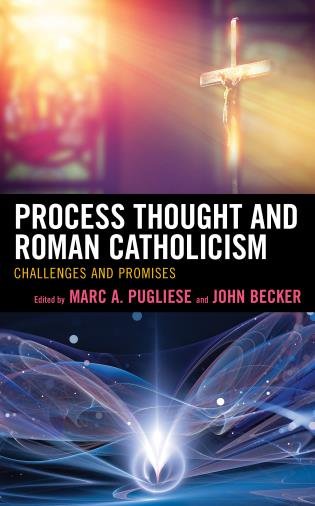
“What is most interesting about this impressive, multi-authored volume is its genuinely ‘catholic’ character.” – Robert Nicastro in his review of Marc Pugliese and John Becker’s Process Thought and Roman Catholicism: Challenges and Promises published by the University of Pennsylvania Press. Read it now at https://muse.jhu.edu/pub/56/article/902010
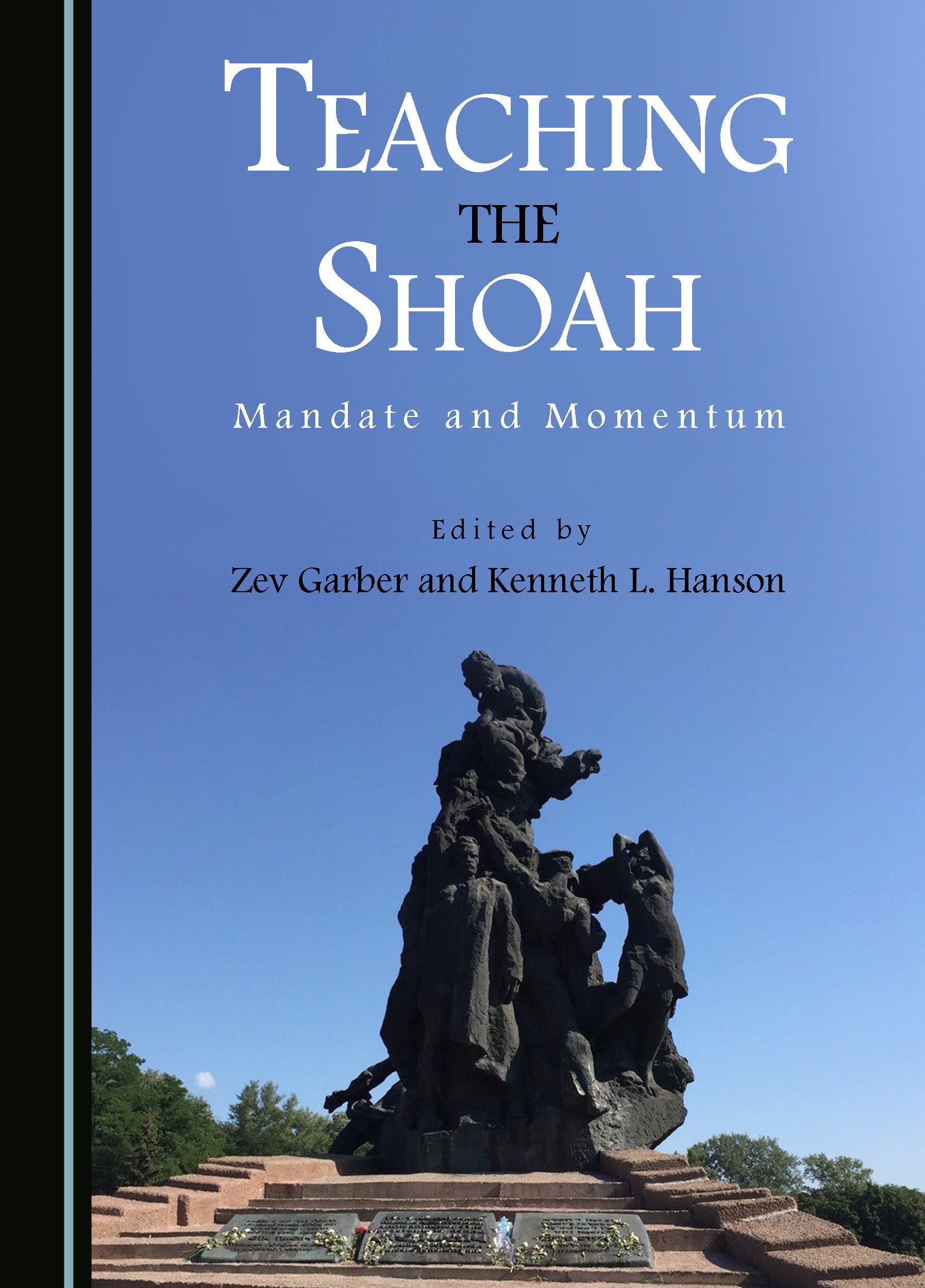
Eugene Fisher reviewed Teaching the Shoah: Mandate and Momentum by Zev Garber and Kenneth L. Hanson for @CamScholars. You can read it on our ProjectMUSE at https://muse.jhu.edu/pub/56/article/902011!


We finished the year strong with 5 reviews in our winter edition! Zev Garber returned with a reviews of @RMikva’s Interreligious Studies: An Introduction published by @CambPressAsses Read it here: https://muse.jhu.edu/pub/56/article/914311
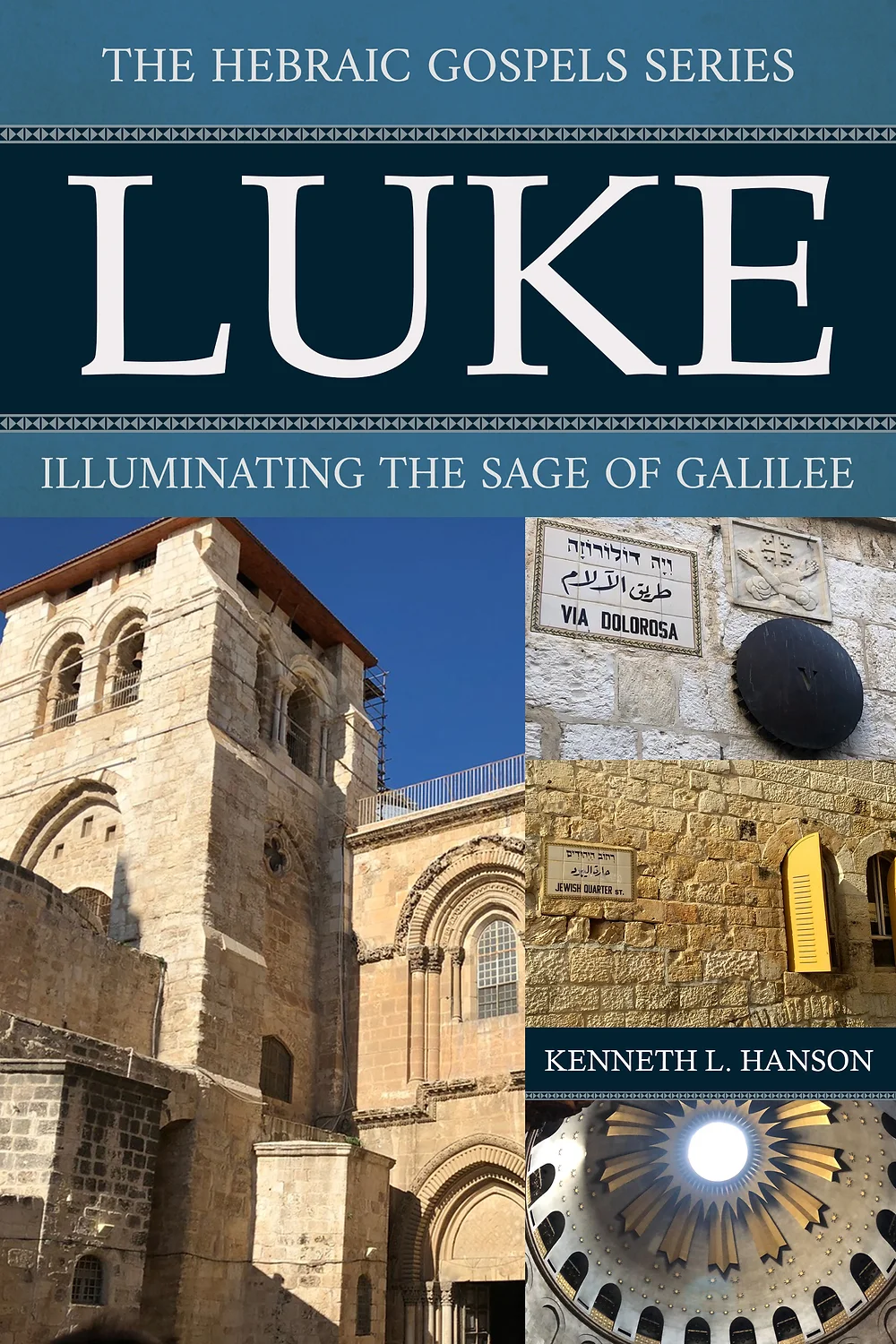
Zev Garber additionally reviewed Kenneth Hanson’s Luke: Illuminating the Sage of Galilee for @centergcrr.
Read it at the JES now! https://muse.jhu.edu/pub/56/article/914312

“This book is an emotive and critical reflection by Jewish and Christian clergy and academics on To Do the Will of Our Father in Heaven (TDW)” Zev Garber’s review of From Confrontation to Covenantal Partnership: Jews and Christians on Orthodox Rabbinic Statement of "To Do the Will of Our Father in Heaven Read it hear at: https://muse.jhu.edu/pub/56/article/914313
Nathan Maroney reviewed A Handbook on the Jewish Roots of the Christian Faith by @DrCraigAEvans and David Mishkin, published by @hendricksonpub.
Available to read now at https://muse.jhu.edu/pub/56/article/914315
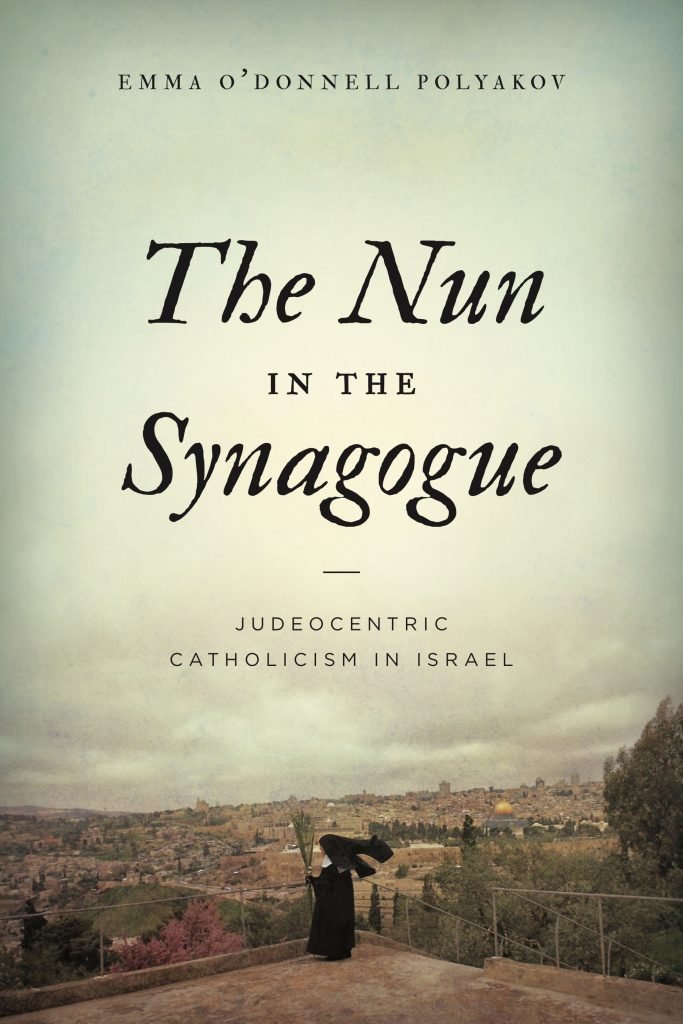
Finally, Zev Garver also reviewed The Nun in the Synagogue: Judeocentric Catholicism in Israel by Emma O'Donnell Polyakov for @PSUPress.
You can access it like all other reviews on our ProjectMUSE at https://muse.jhu.edu/pub/56/article/914314

We had a great selection of books and are excited to see what 2024’s releases offer. If you are interested in reviewing a book with the JES, visit https://dialogueinstitute.org/book-reviews for more information and our recommendations of books to review. See you in 2024!

Featured JES Author: So Jung Kim on "Speaking In-Between: Vernacular Spirituality of a Woman in Late Chosǒn Korea"
The Fall Issue 58.4 of the Journal of Ecumenical Studies is now available! For each issue, the Diablogue features one author and makes a full-text PDF version of their article available for 30 days on Project Muse. In this issue, we are featuring So Jung Kim’s "Speaking In-Between: Vernacular Spirituality of a Woman in Late Chosǒn Korea." A full-text PDF version of the article can be accessed HERE.
So Jung Kim (Presbyterian Church, USA) is the Associate for Theology in the Office of Theology and Worship of the Presbyterian Mission Agency, PCUSA. She has a Ph.D. (2021) from the University of Chicago (IL) Divinity School. Her entries on James Cone and Womanist Theology are included in Charles Taliaferro and Elsa J. Marty, eds., A Dictionary of Philosophy of Religion, 2nd ed. She has published a reflection on liturgy during the pandemic in Call to Worship: Liturgy, Music, Preaching, and the Arts and a book review for the International Review of Mission. She has taught as an adjunct at McCormick Theological Seminary, Chicago, and in her present position, teaches and resources Presbyterian constituents in local, national, and global settings.

She has presented at workshops and panels in several settings in the U.S., including, most recently, the 2023 Parliament of the World’s Religions in Chicago. Ordained as a Minister of Word and Sacrament in the Presbyterian Church (USA), her research interests involve several forms of theology, anthropology, Korean Christianity, and ecumenism.
In two sentences, what is the argument of your J.E.S. article?
In my scholarly exploration, I examine the transcultural and transhistorical ramifications of ordinary language usage on Christian spirituality. The focal point of my analysis is the case of Yi Suni, a Korean female martyr. I posit that Yi Suni’s employment of sermo humilis, a literary style historically linked with Augustine, signifies a Spirit-inspired influence independent of Western missionary involvement. While prior research has addressed Yi Suni’s dual identity as a Confucian woman and a Catholic, I underscore the significance of scrutinizing her linguistic expressions, particularly evident in her letters, to understand better the challenges she faced within her transcultural milieu.
How does your reading of Yi Suni’s letters from prison help us to see her as more than a “virgin martyr” as typically understood among Korean Catholics?
In the ensuing section of this exposition, my attention is directed toward the spiritual dimensions of sermo humilis within Yi Suni’s correspondence penned on her deathbed letters. I delve into the intricate interplay between Confucian and Christian virtues, as evident in her writings. The discussion navigates through Yi Suni’s intricate negotiation of her conflated identity as a Confucian daughter and a Christian virgin martyr. I highlight the nuanced perspective that the contemporary emphasis on her ascetic life as a virgin martyr might present an incomplete portrayal of who she is – still, a filial daughter and a wife in a Confucian society.
In scrutinizing the text, I aim to unravel the multifaceted aspects of her identity, the messages conveyed therein, and how she grapples with the complexities of her era in a nuanced way. In the West, people tend to be classified into rigid religious categories such as Christian or Confucian.
What can Yi Suni’s story teach us about the fluidity of religious identities?
The emergence of stringent religious categorizations in the modern Westernized world can be attributed not merely to “the West,” but specifically to its colonial and imperial impact. This influence has, in turn, engendered diverse forms of religious conflicts in the world under Western colonial influence. Yi Suni’s correspondence marks an early instance of this modern religious inclination, albeit an independent attempt to choose Catholicism with agency. However, despite the agency, her letters illustrate the inherent challenge in the notion of being committed to one religion between religious identities. The reality reflected in the letters underscores the coexistence of multiple religious affiliations within an individual’s identity and contextual framework.
I pose the question of whether the compelling force of Western religion, which necessitates choosing one religious identity over another, may engender confusion and potentially violate one’s choice to remain who she is in between more than two languages, cultures, and religions. Simultaneously, I wonder whether the possibility that acknowledging the fluidity of religious identities could alleviate such inner turmoil. Yi Suni’s utilization of diglossic vernacular language in her letters serves as a manifestation of this struggle, highlighting the complexity inherent in navigating diverse religious influences within her identity. However, we are still left with “what if?”
How did you get interested in the topic?
My academic journey has been centered on exploring various facets of Christianity and its global trajectory, encompassing both theoretical and practical dimensions. This led me to complete a doctoral dissertation at the University of Chicago, Divinity School, which delves into the transformation of everyday language use in Christian religiosity and spirituality, examining its evolution within transhistorical and transcultural contexts. During this research journey, I encountered Yi Suni’s letters, which became a focal point in a chapter of my dissertation.
What is your next project?
As for my next project, I am developing my doctoral dissertation into a comprehensive book. This endeavor aims to serve as a foundational theory aligned with future works, contributing to academic discourse and offering valuable insights to religious communities in the diaspora.
Furthermore, my ongoing research expands into the intricate tapestry of Christianity as a religion and its spiritual practices. I explore how it integrates cultural, ethnic, and diasporic elements, focusing on the intersections of nationality, racial-ethnic identity, gender, and sexuality. This exploration is grounded in the understanding that these intersecting factors shape the lived, everyday experiences of individuals within the Asian diaspora. The resonance of these experiences extends across the transcultural and transnational journey of Christianity, manifesting on local, national, and global scales.
Thank you, Dr. Kim!

Featured JES Author: Effiong Joseph Udo on Dialogue and Democracy in Africa
The Summer Issue 58.3 of the Journal of Ecumenical Studies is now available. For each issue, the Diablogue features one author and makes available a full-text version of their article for 30 days on Project Muse. In this issue, we are featuring Effiong Joseph Udo's "A Reimagination of Dialogue and Democracy in Africa via an Afrocentric Reading of the Parable of the Sower (Lk. 8:4–8)." A full-text version of the article can be accessed HERE.

Effiong Joseph Udo, Ph.D., currently teaches New Testament Literature, Hermeneutics, and Dialogue at the Department of Religious and Cultural Studies, Faculty of Arts, University of Uyo, Uyo, Akwa Ibom State, Nigeria. He is president of The Pan-African Dialogue Institute and director at the Centre for Deep Dialogue and Critical Thinking at the same University. His doctoral thesis on St Luke’s soteria (salvation) concept grounded his understanding of the ministry of Jesus as a spirit-filled campaign for prioritization of justice and human well-being in the society of his days. This inspired Dr. Udo’s research interests in biblical exegesis to promote social justice, human rights, peacebuilding, interfaith relations, as well as ecumenism.
He is an Ambassador for Peace of the Universal Peace Federation, New York, a member of Professors World Peace Academy, as well as a postdoctoral International dialogue fellow of King Abdullah Abdulaziz International Centre for Interreligious and Intercultural Dialogue (KAICIID), Vienna, Austria.
In two sentences, what is the argument of your J.E.S. article?
In the article, I attempted to show how a pan-Africanist reading of the Second Testament Parable of the Sower in Lk. 8:4–8 informs a reimagination of dialogue and democracy in Africa. The study suggests that dialogue and democracy—which are ethically guided by the principles of equality, tolerance, cooperation, participation, and inclusion—are, in practice, complementary and mutually reinforcing, and these widely embraced values are present in African social systems, such as the ethics of communalism and ubuntu.
Many observers have characterized democracy as a Western import to African societies, but you have shown that many values and practices in traditional African societies are deeply democratic. What can democracies in Europe and North America learn from democratic African societies?
Guided by the lived ethics of ubuntu and communalism, Africans are socially and culturally oriented in values toward relationships, friendship, hospitality, cooperation, and tolerance of ‘the other’. I recommend that sustained efforts must be made by all stakeholders to deepen the knowledge and practice of these values in order to strengthen democratic engagements in Africa, Europe, North America, and other democratic societies in the world.
How did you get interested in the topic?
The African Union 2063 Agenda track on peace and democracy motivated my research. I sought to understand the presence, nature, and effects of civil society organizations’ engagements with African states and people to promote peace, human rights, and democratic ideals in the continent. I hoped that the effort would help in widening the Dialogue Institute’s contributions to deepening democratic ideals of freedom through its scholarship in dialogue and training in religious pluralism and democracy around the world. Working with Dr. David Krueger as a dialogue consultant for Africa with the Dialogue Institute, I also thought the Institute would be enriched by the exchange of experiences and perspectives of Africa’s traditional, academic, political, and religious leaders, youth, women, professional groups, and institutions because their dialogue and peacebuilding engagements are directed toward the African Renaissance.
In a few sentences, can you describe how the articles in this issue of the JES connect to the vision for The Pan-African Dialogue Institute?
It is remarkable that the project also gave birth to The Pan-African Dialogue Institute. In the course of my travels, I was able to bring together colleagues, civic leaders, and professionals in various disciplines, as well as youth and women’s groups from a number of African countries; and together we created The Pan-African Dialogue Institute. One could learn more by visiting: www.africadialogue.org. So far, members of the new institute include people from 18 African countries, and this number is still growing. Some individuals who had been on the DI African contacts, including the Study of the U.S. Institute on Religious Pluralism alumni, have also joined the Institute. Part of the rationale for creating the Institute was to serve the DI Board with a central body to relate with whenever Africa is on the agenda.
I believe that the creation of The Pan-African Dialogue Institute represents a significant milestone for the DI under the leadership of Dr. Krueger as well as a lasting testimony of Prof. Leonard Swidler’s inspiration. It flows from Swidler’s mentorship and encouragement to Dr. Mutombo Nkulu-N’Sengha, founder of the DI-supported Bumuntu Peace Institute in the Democratic Republic of Congo, and my humble self of the University of Uyo in Nigeria to unite African scholars and professionals to embrace dialogue. This is why the Institute will remain in constant collaboration with the Dialogue Institute at Temple University. Created to foster multi-sectoral dialogue on issues in religion, culture, sciences, environment, law, economy, information, communications, technology, gender, and politics that promote democratic ideals and human rights in the Continent, and so on, the Institute is established as a civil society think tank. It seeks to unite African professionals and leaders to promote dialogue engagement that is rooted in Pan-Africanism and contribute to the building of policies and practices for the sustainable development of Africa. African professionals who are based in the continent and in the diaspora, from any field of life, as well as friends of Africa are welcome to join us; for dialogue is at its best in company, and not in isolation.
Journal of Ecumenical Studies Issue 58.3
Introduction to the Conference Papers
Effiong J. Udo, David M. Krueger
Effiong Joseph Udo
Democracy and Interreligious Dialogue in Africa: Prolegomenon for an African Political Theology
Mutombo Nkulu-N'Sengha
Dialogue to Uphold the Ethos of Human Rights in a Democratic Society
Wendy Chinonyerem Benaiah
Religion, State, and Constitution in Ghana: Disputed Realms of Neutrality
Cosmas Ebo Sarbah
Dialogue of Social Encounter: Toward Transforming Interreligious Conflict in Nigeria
Mary Lilian Akhere Ehidiamhen
Isaac Peter Maichiki, Samuel Victor Akwe
African Peacemaking Database: Beginning the World's First Grassroots Peace Index
Seth Kinzie, Geoffrey Manasseh
Misheck Mudyiwa

A SUSI Reflection By Samaa Hossam (Sky)

The journey of SUSI 2023 began as a mere adventure into a new land, but it quickly evolved into a soul-enriching exploration of five different countries that the participants represent in the program. The friendships that blossomed amidst our diverse backgrounds mirrored the very essence of our theme. Bonds forged through shared laughter, late-night conversations, and mutual respect transcended our differences and became a testament to the possibility of peaceful coexistence. Although we are separated by geography and culture, we found common ground in our quest to understand, accept, and celebrate our differences.
As the program drew to a close, we were heavy with the knowledge that the physical distance between our countries would soon separate us. Yet, our emotions were a mix of sadness and hope, for we carried home the spirit of our collective journey.
The SUSI program wasn't just an educational endeavor; it was a pilgrimage of the heart. And as I look back, I am reminded that we, as a global community, hold the power to bridge divides, foster understanding, and create a world where diversity is not just accepted, but cherished.
Reflection by Samaa Hossam (Sky) - 2023 SUSI Student Leader


Attending Quakers Worship Day by Omar Namiq
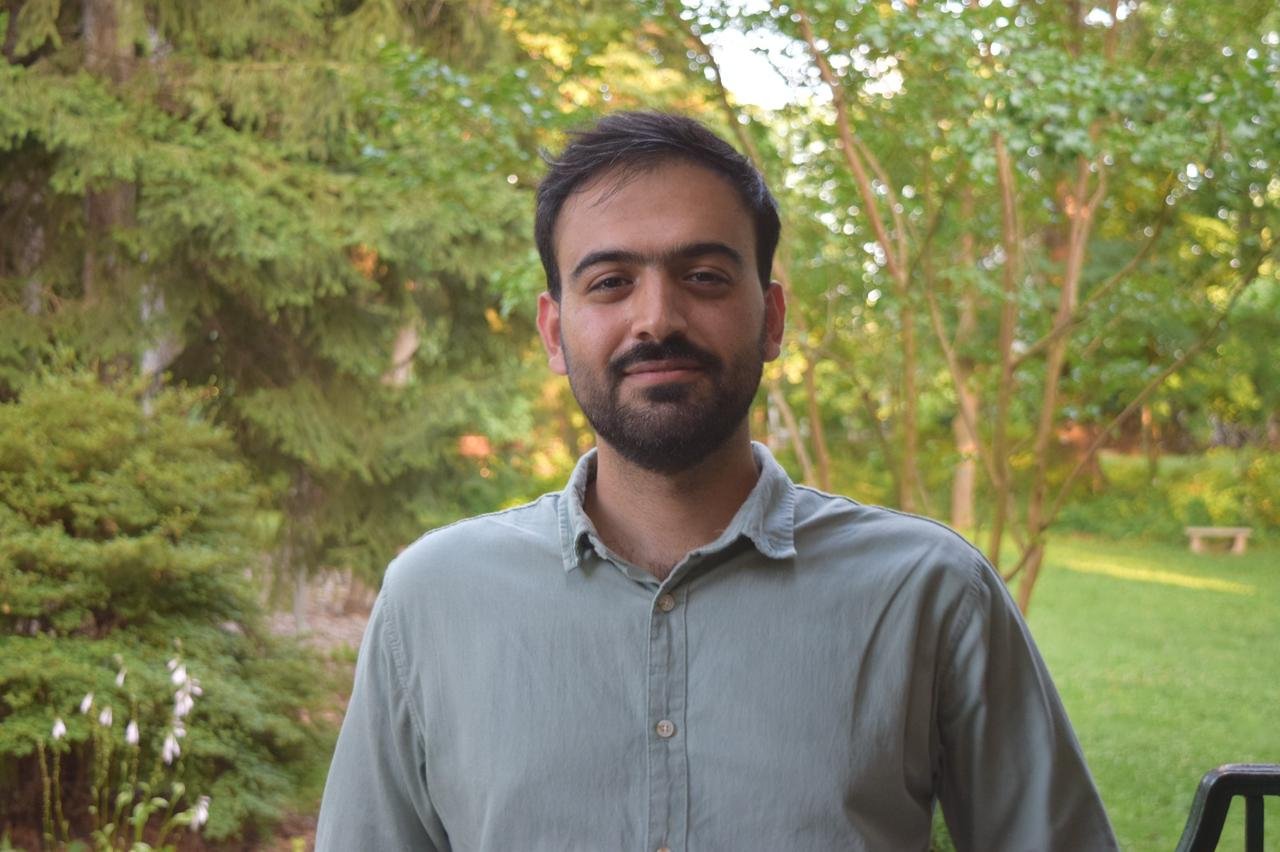
On June 25th, my friends Jalal, Danyar, and I made our way to Arch Street to a Quaker church.
Upon entering the church, we were greeted by a lady and a gentleman at the door. We expressed our desire to participate in the worship, and they warmly welcomed us, offering to write our names on stickers and place them on our chests. We gladly accepted and wrote our names, attaching the stickers to our T-shirts.
As I stepped inside, I was immediately struck by the profound silence that filled the room, despite the presence of numerous individuals. I noticed that everyone, including ourselves as newcomers, wore badges with their names written on them. It became apparent that this practice was not exclusive to us, but rather a way of showing respect by addressing individuals by their names when engaging in conversation.
Choosing a seat at the end of the hall, I positioned myself to have a view of all the attendees. Sitting down, I began to observe the people around me and appreciate the beauty of the silence. It was perhaps the first time in my life that I experienced such profound silence in the presence of others.
The room housed a total of 23 people, including the three of us. Among them, nine were female. The majority of attendees were older individuals, but there were also some young people present. As I observed the worship, the predominant feature was silence. There was one young man and woman who remained silent throughout, their eyes closed as if engrossed in a deep communion with their respective gods. I initially believed they were maintaining silence for the entire hour, but then an elderly gentleman slowly stood up and, with a tremor in his voice, shared his contemplation about a passage he had read from Tolstoy. He spoke about how humans never truly die, as only their bodies perish, not their souls. His words captivated the attention of everyone present. After he finished speaking, he sat down, and the silence resumed.
It was during this moment that I realized the significance of Quaker worship. If one feels compelled to share something, they can simply rise and speak, and others will listen attentively. I found this aspect truly beautiful. Here, one has a safe space to voice their thoughts and feelings, knowing they will be heard.
When the clock struck 11:30, a young lady stood up and greeted everyone with a cheerful "Good morning, friends." Suddenly, everyone stood up and reciprocated the greeting, including ourselves, which elicited a lighthearted moment. The young lady then invited anyone who wished to introduce themselves or share something to do so. I raised my hand, stood up, and explained that I come from Kurdistan and that this was my first time attending a Christian church for worship. The entire congregation warmly welcomed me, and my friends, Jalal and Danyar, also took the opportunity to introduce themselves. Subsequently, other individuals stood up, introduced themselves, and one person asked a question, although I couldn't quite hear it clearly.
Following this, we were informed that coffee, tea, and donuts were available if we desired to join the congregation. Without hesitation, we accepted the invitation. While enjoying our donuts, we engaged in conversations with some of the attendees, who proved to be incredibly friendly. They showed genuine interest in Kurdistan, and I found myself immersed in a delightful conversation with them.
Before leaving the church, a lady come and talked with me, she said that we call each other friends, we are “Friends society”. And I asked what about Quakers?, she said “Yes, we Quakers, call each other friends”.
She went on to share with me that they have all agreed upon a set of principles known as SPICES. Intrigued, I asked her to elaborate on what SPICES entails. She explained that it stands for Simplicity, Peace, Integrity, Community, Equality, and Stewardship. Personally, I believe that these principles are fundamental values shared by all religions, although regrettably, people often fail to uphold them.
Seeking further clarification, I asked her what would happen if my inner light led me to a different god than hers. She responded with a lighthearted tone, saying, "Ask three Quakers about God, and you may receive five different answers." We shared a laugh, and she continued by emphasizing that Quakerism grants individuals the freedom to follow their inner light. She expressed that each person's inner light is unique and different from others', and they do not inquire about which god one's inner light guides them towards.
Curiously, I inquired whether a Muslim, or anyone of another religion, could be considered a Quaker. She replied with a jovial tone, "Yes, Hahaha, if they follow their inner light." At that moment, I noticed another young lady who shared with me, "I love the freedom my religion has provided for me."
Eventually, the time came for us to bid farewell. We turned around and said goodbye to everyone before leaving the church. This experience marked my first attendance at a worship outside of the mosque, and it allowed me to witness firsthand how individuals with different religions and beliefs worship their respective gods.
I found solace in the profound silence and felt a genuine connection with the people I encountered.
Reflection by Omar Namiq - 2023 SUSI Student Leader

We The People by Ricky Adityanto
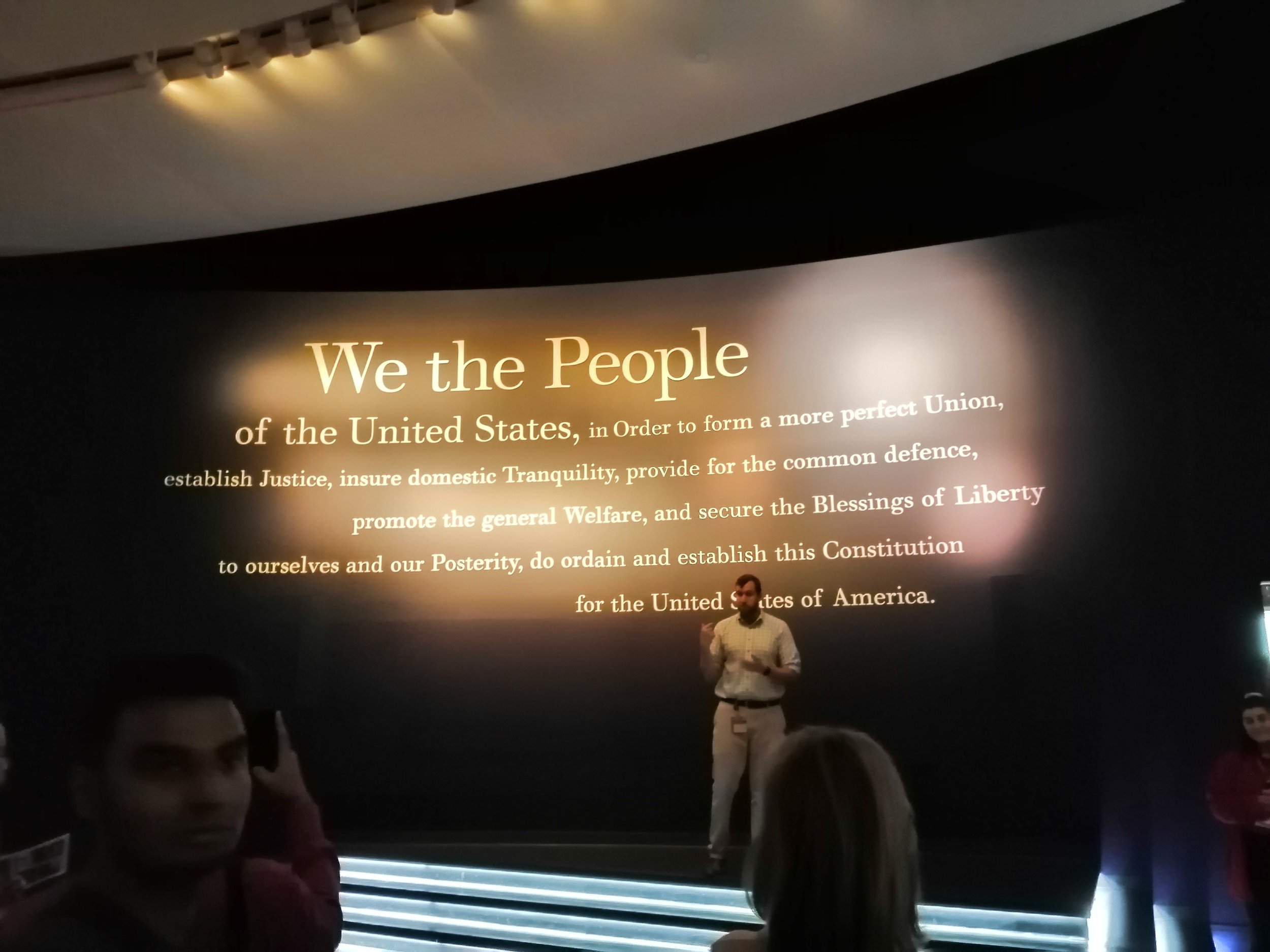
We The People: What’s the meaning of becoming “people” in plural community?
By Ricky Adityanto
We the People
The first phrase of the US Constitution that struck my mind. Spontaneously, my mind raised a question: “who is this “the people”?”. History showed us again and again that we always had disputes and arguments on who or what can be considered as “our people”, making a thick line that segregates “us” and “others”. But, could you really choose whether we were born as “us” or “others”? What if you were born as “other” in “us” neighborhood?
Do you see the problem here?
Back to the fundamental meaning of “people” and person
Again, we have to learn from history, from people that sacrificed their lives to redefine the definition of “the people”. From Martin Luther King, Jr., Malcolm X, to Nelson Mandela. Did they struggle only for the sake of “being black”? I believe the answer is no.
I believe that the deeper meaning of their struggle, their campaign, was because there were someone’s life and dignity at stake. There were men and women at the verge of death because of segregation. There was a human that died from injustice. At the most fundamental level, they did for human life and dignity.
Wouldn’t you feel angry if you are treated unjustly? Wouldn’t you feel angry if “your people” are treated as “others”, as alien and are stripped from your right as a member of a society? Wouldn’t you feel that all those violate your dignity as a human being?
So, you and I, “us” and “others”, we all have life and dignity as human beings. That line between “your people”, “our people”, and “others” in a society is just a skin-deep definition and categorization but at the core of our soul, we are all human beings. We are “the people” of humanity that have life, dignity, and in turn, rights as a member of society.
“The people” is about we as humans that have life and dignity.
So, what’s the meaning of our “skin”?
White, Black, Asian, Native American, etc. are all “the people”. But, does it mean we are the same? What’s the meaning of our uniqueness then?
All our uniqueness together is another part of the definition of “the people”. There’s no one else in this whole world that can replace you due to all your uniqueness, thought, feelings, talents, and your personal experiences. Thus, if you try to be somebody else, the world will lose the “genuine you”.
On a community scale, each community has its own culture, idealism, vision, way of life, and membership that are so unique they can not be replaced by other community. So, being White, Black, Asian, or Native American is not only about “having skin” but is your culture, your way of life, your name, being your unique self, and your community in society. And being happy with it!
Hence, “the people” is also about being your unique self in society and being proud of it!
Participation of “the people”
All these unique communities together build a society. We are part of society. Since society consists of us with our uniqueness, then we have an important part in our society: giving our unique selves.
This is then the meaning of being White, Black, Asian, or Native American as “the people” of society: being all that’s unique from where you come from, and giving all that uniqueness for the betterment of society. We can think of “the people” as a rainbow, where humanity is the raindrop and the sky with us and our personal background as its color. Being “the people” is all about celebrating humanity with its all colors and giving all those colors to the world.
Come to think of it, “the people” really have a beautiful meaning, isn’t it?

Featured JES Author: Robert B. Slocum on Bonhoeffer’s Theology of Resistance
The Winter issue 58.1 of the Journal of Ecumenical Studies is now available. For each issue, the Diablogue features one author and makes available a full-text version of their article for 30 days. In this issue, we are featuring Robert B. Slocum's "Thrown into God’s Arms: The Sacrificial Grace of Dietrich Bonhoeffer." A full-text version of his article is available on Project Muse and be accessed HERE.

Robert B. Slocum (Episcopal Church) has been an assistant professor in the University of Kentucky's College of Medicine, Dept. of Internal Medicine (voluntary faculty), in Lexington, KY, since 2017, and a Narrative Medicine Facility program coordinator for the University of KY HealthCare since 2015. He teaches an elective course for fourth-year medical students on the narrative basis for patient care and resilient practice. He taught at St. Catharine College, Springfield, KY, 2008–16, and was dean of its School of Arts & Sciences, 2011–13. He has also taught theology and religion at Marquette University, Milwaukee, WI; Mount Mary College (now University), Milwaukee; Carthage College, Kenosha, WI; and Nashotah (WI) House Seminary, During 1986–2002 and 2007–09, he served in ordained ministry positions and as a part-time chaplain, 1993–98, in a Veterans Administration Medical Center in Milwaukee. He was a Judge Advocate in the U.S. Air Force, 1978–83. His B.A. and J.D. are from Vanderbilt University, Nashville, TN; his M.Div. from Nashotah House Seminary; his D. Min. from the University of the South, Sewanee, TN; and his Ph.D. (1997) in systematic theology from Marquette University. He has authored four books, most recently The Anglican Imagination: Portraits and Sketches of Modern Anglican Theologians (Ashgate, 2015; Routledge, 2016), and edited or co-edited ten others, including Discovering Common Mission: Lutherans and Episcopalians Together (with Don S. Armentrout; Church Publishing, 2003). His nearly forty articles have appeared in theological or medical journals and as book chapters, and he has made presentations at more than two dozen theological and medical conferences. He is married to Victoria Slocum and has three adult children.
In two sentences, what is the argument of your J.E.S. article?
Identifying with the oppressed in both the U.S. and Germany, Dietrich Bonhoeffer said the church of Christ lives in all people, beyond all national, political, social, and racial boundaries. He offered an ecumenical vision of the Christian church that greatly transcends the Christian nationalism of National Socialism in Germany; he saw that God’s love for the world and incarnational Christian spirituality can be expressed through political action and active resistance.
How did you get interested in the topic?
I was fascinated by Bonhoeffer's heartfelt devotion and academic achievement that provided the foundation for his unflinching Christian witness, resistance, and sacrifice. He spoke up and acted with great courage at a time when many Christians in his country looked the other way in the face of great evil. The story of his willingness to apply his faith in resistance and direct action against Nazi tyranny also provided an effective example and good material for discussion in undergraduate courses I taught on topics such as Christ and culture, quests for God, and applied ethics.
Your article poses a stark contrast between the Confessing church movement associated with Bonhoeffer and the dominant German Christian movement that became co-opted by Nazi ideology. Do you see parallels in the world today and how best can Bonhoeffer speak to the challenges we face?
Like us, Bonhoeffer lived in a time of great conflict and abuse of vulnerable minorities who were seen as outsiders by the powerful. The response of German Christians to the threats of National Socialism generally ranged from anemic to complacent to complicit; Bonhoeffer's frustration was palpable. He expressed faith through prayer and justice instead of powerful religious organizations and sought a future form of the church that might be unexpected—nonreligious in a conventional sense, but able to convert and transform. He consistently sacrificed his own safety to resist the oppression of the German people, while expressing and living the unity of faith and action in the world through sacrificial grace.
What is your next project?
I am continuing to explore perspectives on "war and faith" from the mid-19th century to the present. I define "war" broadly to include intense struggles outside the context of declared wars such as civil rights and the proliferation of nuclear weapons, as well as declared wars. I believe that sometimes in the worst situations, we reach out for the divine most earnestly, stating our beliefs, understandings, and sources of meaning most clearly. I am currently beginning to research the writings and witness of Dorothy Day.
Article Abstract:
Dietrich Bonhoeffer encountered Aryan nationalism and racism with sacrificial grace and Christian opposition. One of the first and the very few to speak out against the Nazis and to follow through with active resistance, he resisted Nazi intrusions into the life of the German church and the impact of Nazi bigotry on Jews and others excluded from full participation in German society. During his time in New York City at Union Theological Seminary and at Abyssinian Baptist Church in Harlem, he witnessed the impact of racism in the United States. Identifying with the oppressed in both the U.S. and Germany, he said the church of Christ lives in all people, beyond all national, political, social, and racial boundaries. Offering an ecumenical vision of the Christian church that greatly transcends the Christian nationalism of National Socialism, he moved from academic and pastoral ministry to direct action against Nazi oppression by smuggling Jews out of Germany, using ecumenical contexts to spread word about resistance to the Nazis, and seeking the overthrow of Nazi leadership. Self-sacrificing in his devotion to public activism, he saw that God’s love for the world and incarnational Christian spirituality could be expressed through political action. He expressed faith through prayer and justice, not in powerful religious organizations, and sought a future form of the church that might be unexpected—nonreligious in a conventional sense, but able to convert and transform. He consistently sacrificed his own safety to resist the oppression of the German people, while expressing the unity of faith and action in the world through sacrificial grace.

A SUSI Summer 2022 Reflection: Ricky Adityanto
What is human?
This was my simple question when I flew to the USA for my SUSI Summer 2022 program. As a multilevel minority in Indonesia (Catholic, Chinese mixed descent, queer) I experienced many discriminations in my life. I tried my best to contribute to society as a good person so people won’t question my identity as a problem anymore just like Gus Dur (the 4th Indonesia’s president) said: “If you are a good person, no one will ask your religion”.

But still, I questioned my identity at that time. Yes, I believe that God created us differently and each one’s unique identity is a hidden gem. But in reality, those differences are often seen as problems. What if I, for once, proudly show my identity without any social pressure? Would I grasp a deeper meaning of being a human?
Who is human?
“We the people”. That part of the preamble of the US Constitution was one of the major points of my reflection. Who are the people? We are all! No matter your religion, skin color, gender, etc. We are all the people. We are all human!
I was really touched when for once I could be proud and accepted for my identity during the SUSI Summer program. And in turn, I was blessed to know my friends’ unique identity in SUSI that I never met before in Indonesia. Unknowingly, I become blessed precisely because of the unique identity that molds me into a unique person. I was there, I met them, had conversations with them, and helped them as a unique color called “me”. No one can replace me and my color.
At that point, I understood that being human is being me with all my identity, and giving that “me” as a whole in my relation with others. And having identity means having struggle. So, I must be open to the others’ and my own struggle in my relation.
Why human?
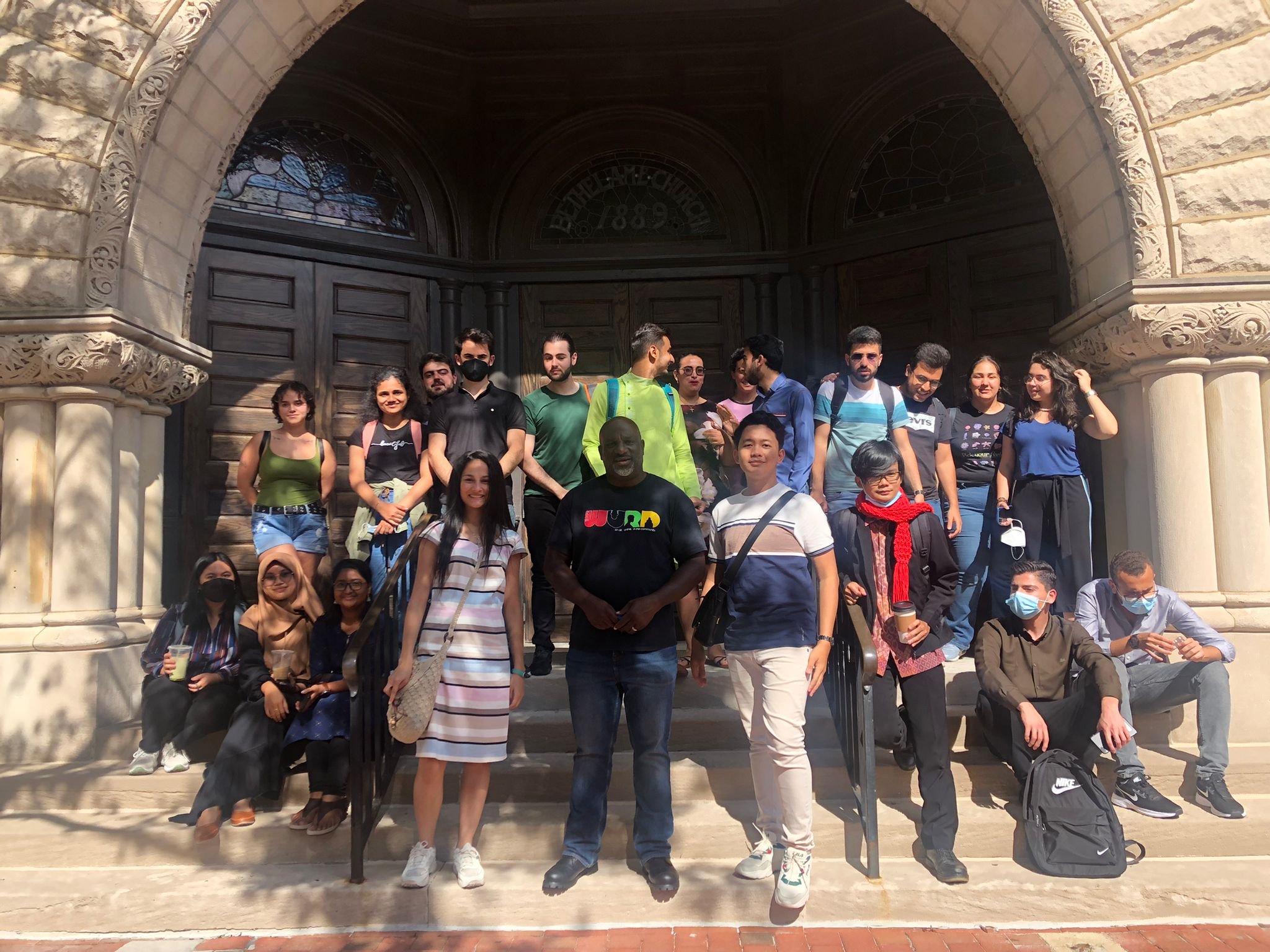
"If the church stays silent, who will speak for the poor and discriminated?”. This speech I got in Bethel Church, Philadelphia, still gives me goosebumps now and that is also the answer to the next question: why human?
We are all blessed through our unique identity and struggle! Our identity and struggle shape us as a person with our own lessons that we learned from our struggles. And our mission in this world is simply to be truthful to ourselves, to our “color”, learn from the struggle, and share what we’ve learned from the struggle to inspire a better society. Be a unique blessing for others that can’t be replaced.
So, here I am, sharing with you what I’ve learned so far. If I stay silent, who will speak for people who are in the same identity group as me?
How to be human?
I can’t mention one by one all the beautiful quotes I got from all the beautiful-hearted people I met during SUSI. I can say that I met big people with even bigger hearts there. But, one important thing I can say is they showed me how to be human: embrace the identity, and the struggle, and share and care for others.
And they showed how to do it in the simplest way: through friendship. Through friendship, we open to others’ struggles, we try to understand and respect others’ identities, and we learn how to share and care with kindness. We also respect ourselves by staying true to our identity and giving it as a gift to others. And together, we paint this world with our combined colors, creating new colors that we never thought could exist before. This is exactly what dialogue is all about.

A SUSI 2022 Alumni Story: Arshad Khan

"Growing up in a traditional business-oriented joint family in a drought-prone district of Telangana, I have been perceiving what it takes for a multicultural society to exist in the present-day world.
I graduated from St.Mary`s College with BBA. Since the day I moved to Hyderabad for my higher education, I have always been seeking a platform to nurture my idea of multicultural coexistence, and that's where I found Rubaroo NGO based out of the city who is relentlessly working on education and human rights advocacy. A 3-day workshop on interfaith included playful activities on values, perceptions, conflict management, and the social action project we conducted in a women`s degree college in Mahabubnagar has brought me a proper understanding of how to resolve conflicts among smaller groups and avoidance of communal violence.
Over time, Rubaroo NGO nominated a few youth champions of the previous workshop for a US exchange program called SUSI, Study of the U.S. Institutes (SUSIs) for Scholars.

Among them, I was selected for the cohort Religious Freedom and Pluralism. Unfortunately, the pandemic began the year in which we were supposed to fly to the United States for the 6 weeks of the study tour. So we had to go through the sessions virtually for two months and the community action project in further time and then eventually things were getting better. Finally, in Oct 2022, we flew to the United States for a 10-day capstone program on religious freedom and pluralism which included round table meetings on democracy, lectures by Temple university professors on Religious freedom, walking around historical monuments and worship places in Philadelphia city, an interfaith community center in Baltimore and the Washington DC.
My whole journey at SUSI consisted of challenges and surprises but I must say it's truly a remarkable and worthwhile experience on the whole as meeting new people beyond the border with similar thought processes has truly nurtured my idea of multi-cultural coexistence."
- Arshad Khan, SUSI Alumni 2021/2022


A SUSI 2018 Alumni Story: Amira AbdelTawab
“Be the change you want to see in the world."
- Mahatma Gandhi
Although the chaos I have been through now in all aspects of my life, I still remember when I was 16 years old, I was dreaming of having a good future and becoming a successful young woman, and changing the world when I grew up. It wouldn’t happen until I traveled to study abroad not in any country, but only in the United States of America.
I was obsessed with traveling to the USA, it was my biggest dream since my childhood to be in the wonderland living the American dream, so during my university year, I studied hard and participated in many student and community service activities. After this hard work, I was lucky enough to receive one of the most difficult scholarships from the U.S. embassy in Cairo and the Department of State. My dream came true and I finally traveled to my dream land, or as I thought at this time.

When I was in the USA I studied for a few short weeks with the Dialogue Institute at Temple University, but it was a turning point in my life. I studied religious pluralism, diversity of cultures, and policy, and learned more about American society close up. I studied Islam from a Western perspective, Christianity, Judaism, Buddhism, and Hinduism. I discovered new religions that I have never heard about before - like the Quakers - and I lived with them in the heart of the Philadelphia forest to study more about them and their leader William Penn, and how they made a significant impact in the foundation of the principles of the American constitution and the American policy.
This heavy experience shifted me from a closed-minded person to a person who is always eager to learn about themself, not only from the difficult experiences of life, but also from others, and let me accept not only different ideas than mine but also the ideas that are completely against mine.
Now I believe in humanity and believe that everyone in this life has their own journey in which they wake up to themself, then to their shadow, and then to their potential. I have to respect every human being on the earth - as life is not a straight path - it is a trial and error and trying different things by figuring yourself out who you are and who you are not.
And finally, I accept the fact that I can change the world by changing myself, and by being kind to myself and everyone.
This blog post was written by a Study of the U.S. Institutes (SUSI) Alumni - a program that the Dialogue Institute implements in partnership with Meridian International and the United States State Department. To find out more about the SUSI program, click here.


Featured JES Author: Gabrielle Thomas on Receptive Ecumenism

The Fall issue 57:4 of the Journal of Ecumenical Studies is now available. For each issue, the Diablogue features one author and makes available a full-text version of their article for 30 days. In this issue, we are featuring Gabrielle Rachel Thomas's "The Gift of Power in Methodism: Learning from Women’s Experiences of Working in Diverse Churches in England through Receptive Ecumenism."
Gabrielle Thomas is an Assistant Professor of Early Christianity and Anglican Studies, at the Candler School of Theology, Emory University, in Atlanta, Georgia, U.S., and is a member of the Archbishop of Canterbury’s Theological Reflection Group in the U.K. She earned her Ph.D. in Historical Theology from the University of Nottingham in Nottingham, U.K. in 2017.
In two sentences, what is the argument of your J.E.S. article?
My article identifies possible ecclesial learning by using receptive ecumenism to explore women’s experiences of working in diverse churches in England. I examine a Methodist approach to power and use it to critique current practices across diverse Christian traditions in England, providing the potential for churches to transform the way that power is distributed, especially with respect to women flourishing in leadership roles.
How does your article help us better understand Receptive Ecumenism?
Simply put, receptive ecumenism asks, “What do we need to learn from another Christian tradition to help us address some of the wounds and weaknesses in our own?” My contribution puts Receptive Ecumenism to the test with a practical example of women who follow the way of receptive ecumenism to explore their experiences of working in churches in England, with a view to identifying areas for potential ecclesial learning.
How did you get interested in the topic?
I have long been committed to Christian unity. Receptive Ecumenism is a fresh way into the conversation. With respect to the project I developed on exploring women’s experiences– I am ordained in the Church of England and am interested in ministry from the perspective of a researcher but also as a practitioner.
What is your next project?
My next project explores a theology of the Devil bringing into conversation the perspective and experience of diverse traditions such as Pentecostal, Anglican, Catholic, and Orthodox.
Article Abstract:
Global attention to receptive ecumenism has grown in recent years, prompting ecumenical theologians to ask, “What do we need to learn from another Christian tradition to help us address some of the wounds and weaknesses in our own?” Hitherto, much of the published work on receptive ecumenism has focused on its place in the formal ecumenical movement with little attention directed toward the grassroots. This contribution is a case study that identifies possible ecclesial learning by using receptive ecumenism to explore women’s experiences of working in diverse churches in England. It focuses on a particular example emerging from the broader research, during which Baptist women identified how the distribution of power in their churches can inhibit women’s flourishing, particularly in ministerial roles. Following the way of receptive ecumenism, after outlining the research context, I examine gifts shared by Methodist participants who spoke of positive structures of power. These, I argue, critique current practices, not only in the Baptist tradition but across diverse Christian traditions in England, providing the potential for churches to transform the way that power is distributed, especially with respect to women’s flourishing in leadership roles.
The full text article can be accessed via Project Muse HERE.

Book Review: Black-Jewish Dialogue in America

Terrance L. Johnson and Jacques Berlinerblau, Blacks and Jews in America: An Invitation to Dialogue. Washington, DC: Georgetown University Press, 2022. Pp. 224. $26.95.
Volume 57, Number 4, Fall 2022 of the Journal of Ecumenical Studies features a book review of Blacks and Jews in America: An Invitation to Dialogue. The review is written by Dialogue Institute executive director, David M. Krueger. The book has been useful in informing the organization’s various programs on Black-Jewish Dialogue and Understanding. In collaboration with the American Jewish Committee, the Dialogue Institute will be hosting history and dialogue programming in March and April, 2023. We are actively recruiting a spring 2023 intern to assist with research and curriculum development. Position description can be found HERE.
Below is an excerpt of the review, and the rest can be read HERE on Project Muse. The full text PDF is open access until February 1, 2023.
Among minority groups in the U.S., Blacks and Jews have had a unique relationship, often characterized by collaborations in music, sports, and the common pursuit of civil rights. One of the most iconic images of this relationship is the image of the Rev. Dr. Martin Luther King, Jr., and Rabbi Abraham Joshua Heschel marching side-by-side during the American civil rights movements of the 1960’s. However, the relationships between Blacks and Jews have also been fraught with disagreements over questions of Israel/Palestine policy and commitment to racial justice. Drawing on their experience teaching a class on Blacks and Jews in America at Georgetown University, the authors take a fresh look at the complicated and contested history of the relations between these two groups, identifying the key obstacles to constructive dialogue.
In the early-to-mid-twentieth century, Jews and Blacks lived near one another in many urban areas, but this is less common today. Due to white flight in the latter half of the twentieth century, neighborhoods and schools are highly segregated along lines of race and class. As the authors observe, Jews and Blacks today tend to see one another as strangers. As a result, there are few face-to-face encounters that happen organically. Therefore, they suggest, dialogue and relationship-building must be intentional if they are to happen. To engage in this difficult work, the authors identify several key issues that must be taken into consideration. Foremost is the power asymmetry between the two groups. In political collaborations between Blacks and Jews in the twentieth century, white Jews have typically held the financial and economic power, an imbalance that has often distorted the relationship and led to misunderstandings about motivations. According to the authors, a shared commitment to a political vision that advances structural equality for African Americans must be the starting point for meaningful dialogue between Blacks and Jews.
The establishment of the National Association for the Advancement of Colored People in 1909 is often cited as the highpoint of the “Grand Alliance” of Black-Jewish relations. During this period, the groups shared concerns about legalized racial discrimination and segregation. In time, immigrant Jews were better able to assimilate and become recognized as white—a privilege not afforded to African Americans, including Black Jews, who number more than a half million in the U.S. However, while many Jews do benefit from white privilege, they recognize that their status as white in American society is liminal. According to the authors, sincere dialogue between Blacks and Jews (including nonwhite Jews) must address the complexities of race in America.
To read more, click HERE to download a PDF from Project Muse.

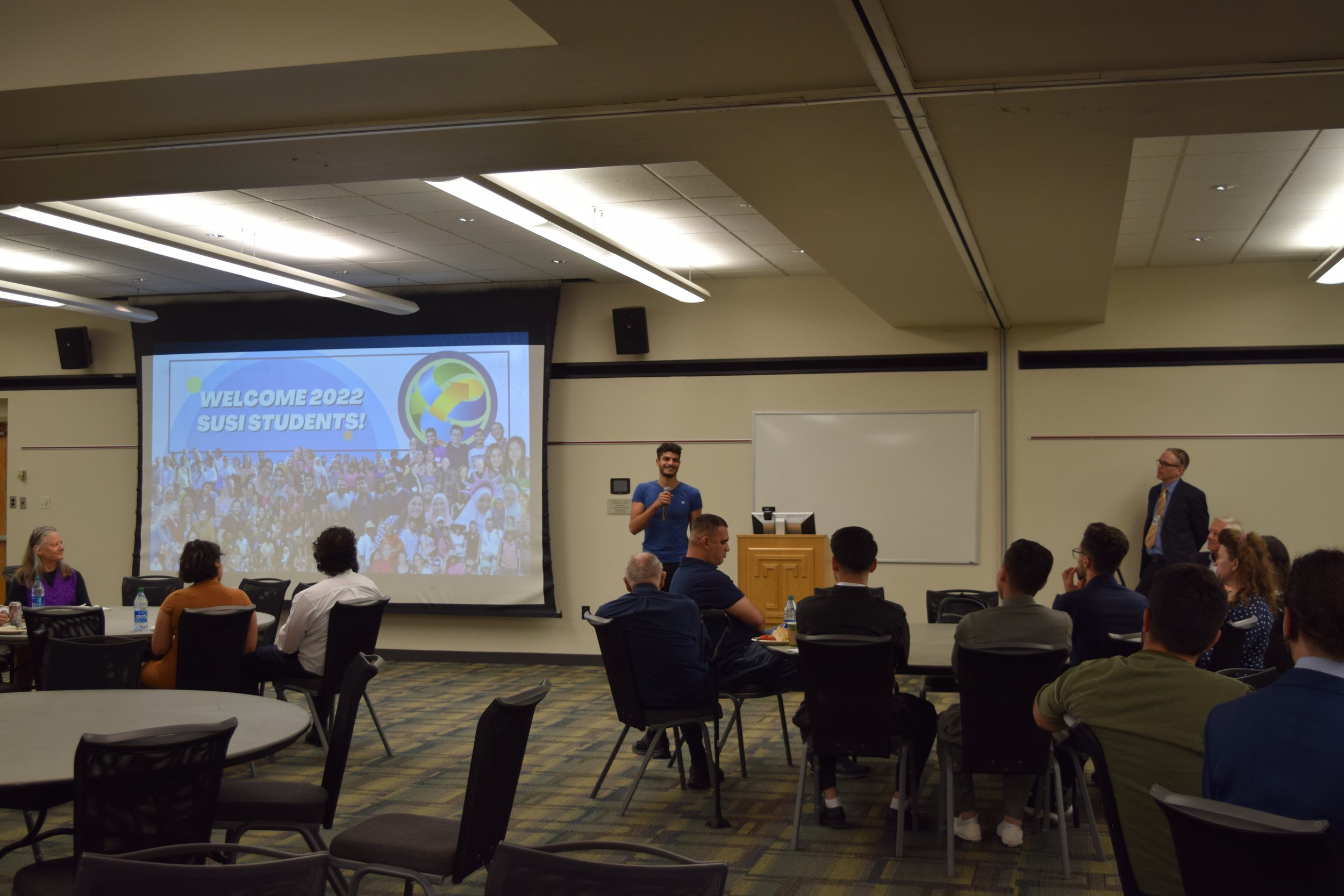
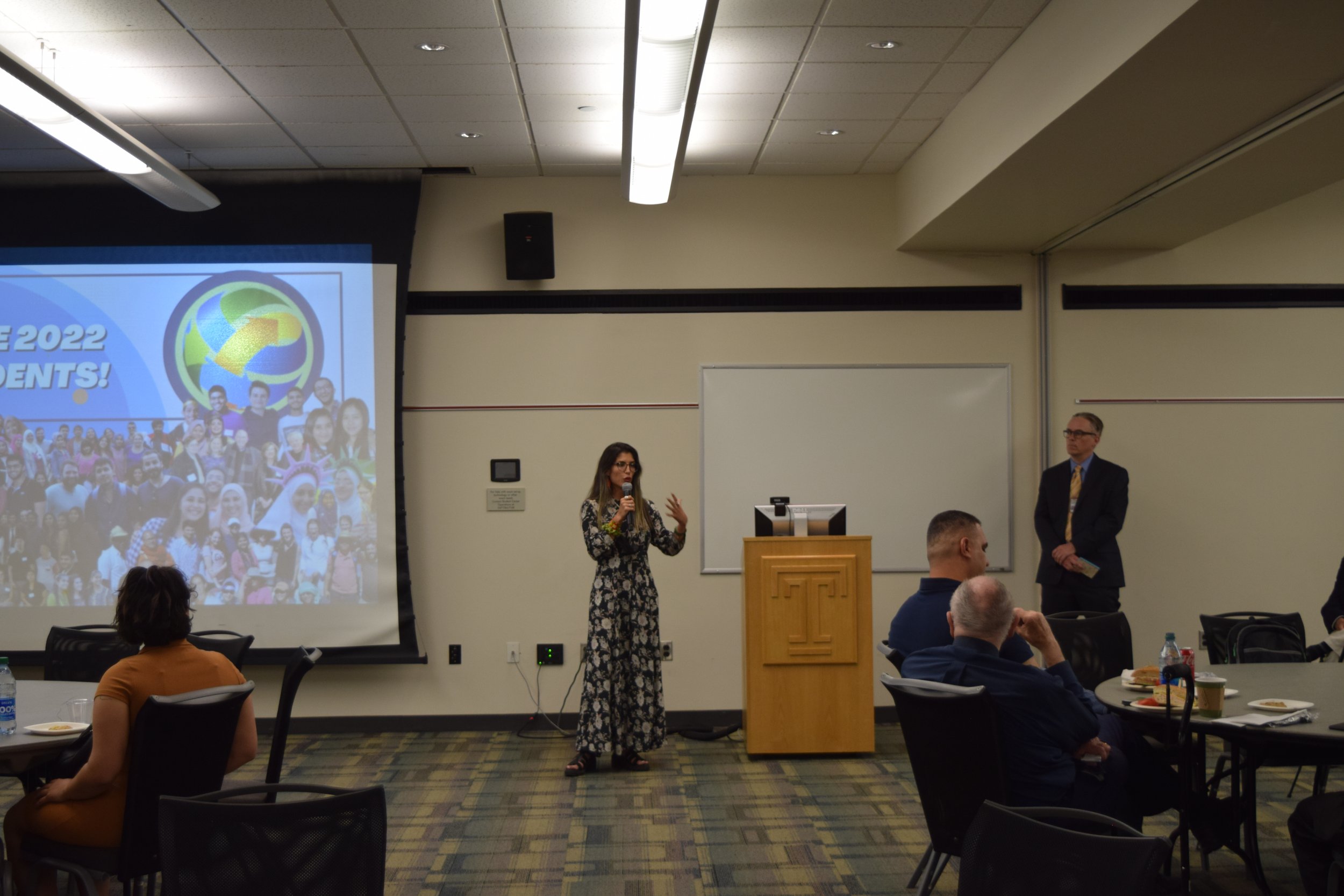
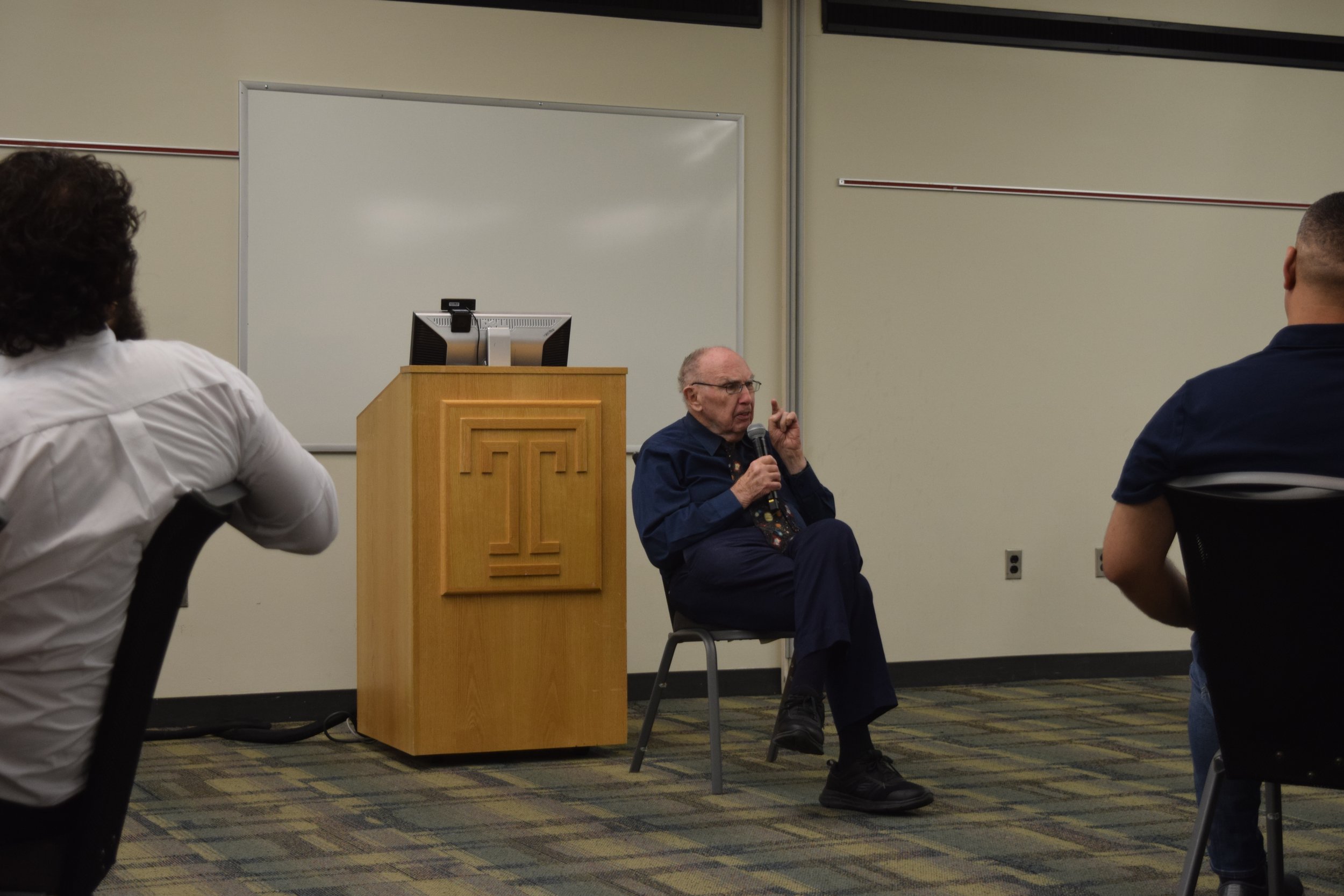
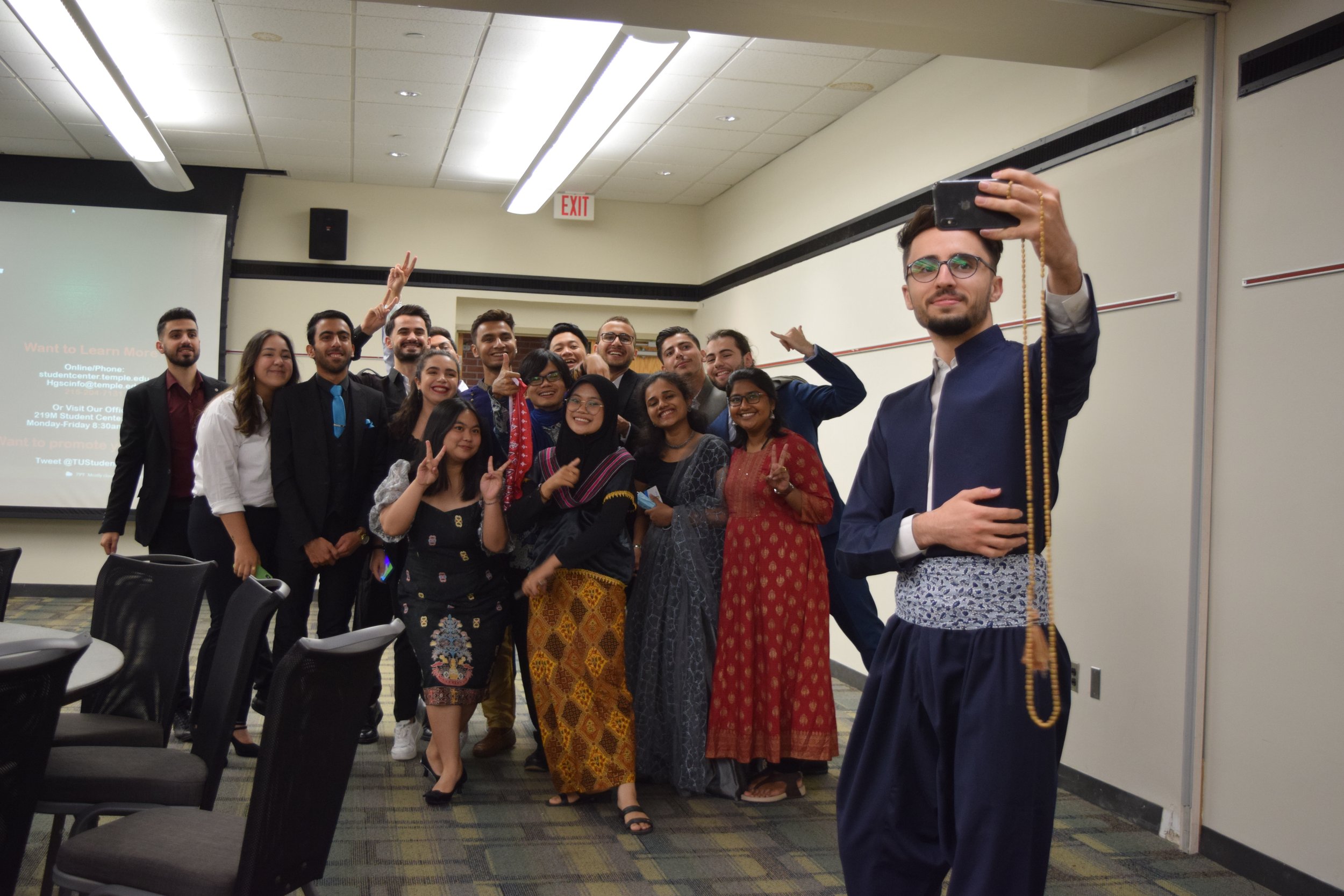
SUSI Summer 2022 Religious Freedom and Pluralism in the United States

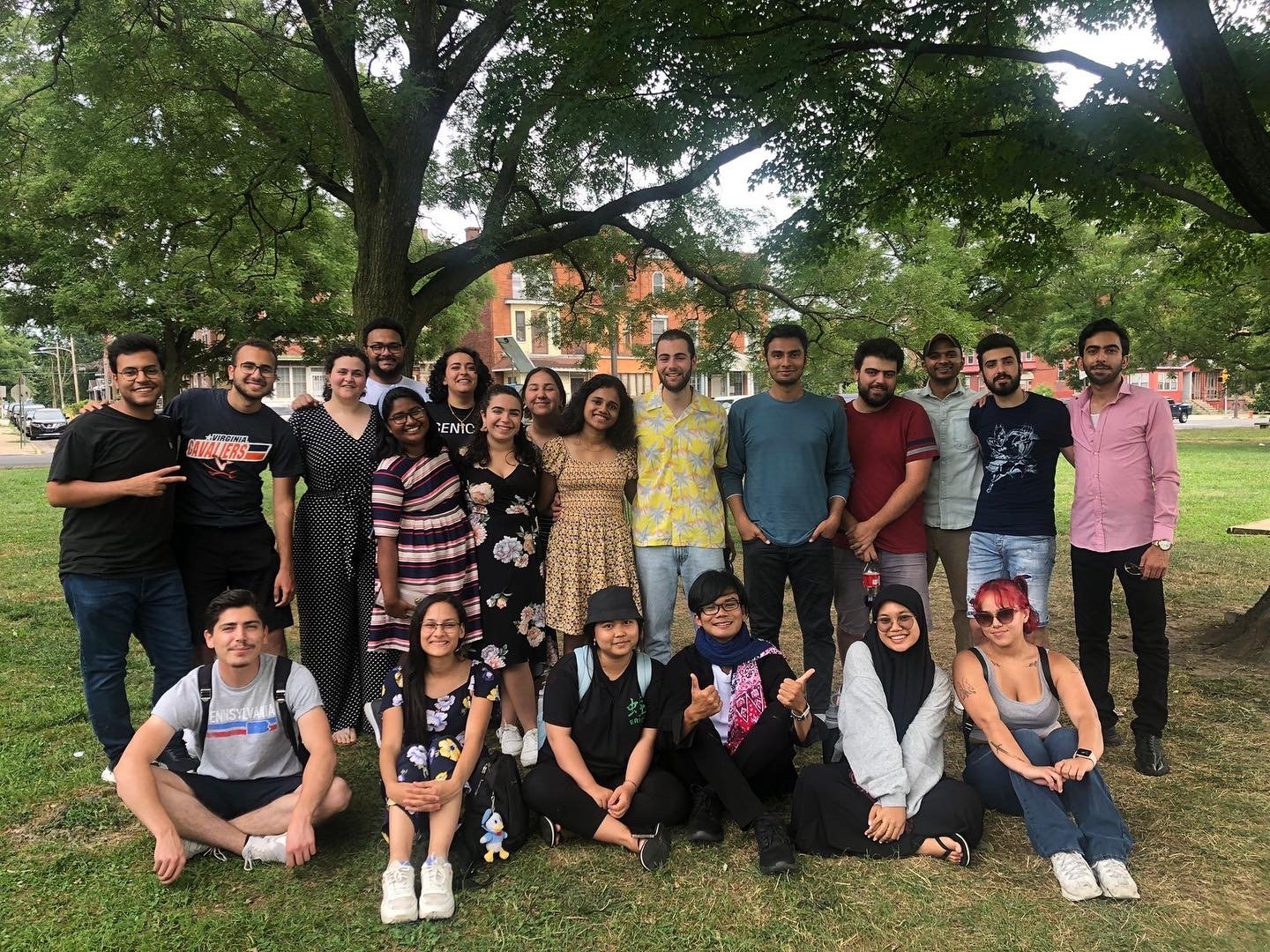
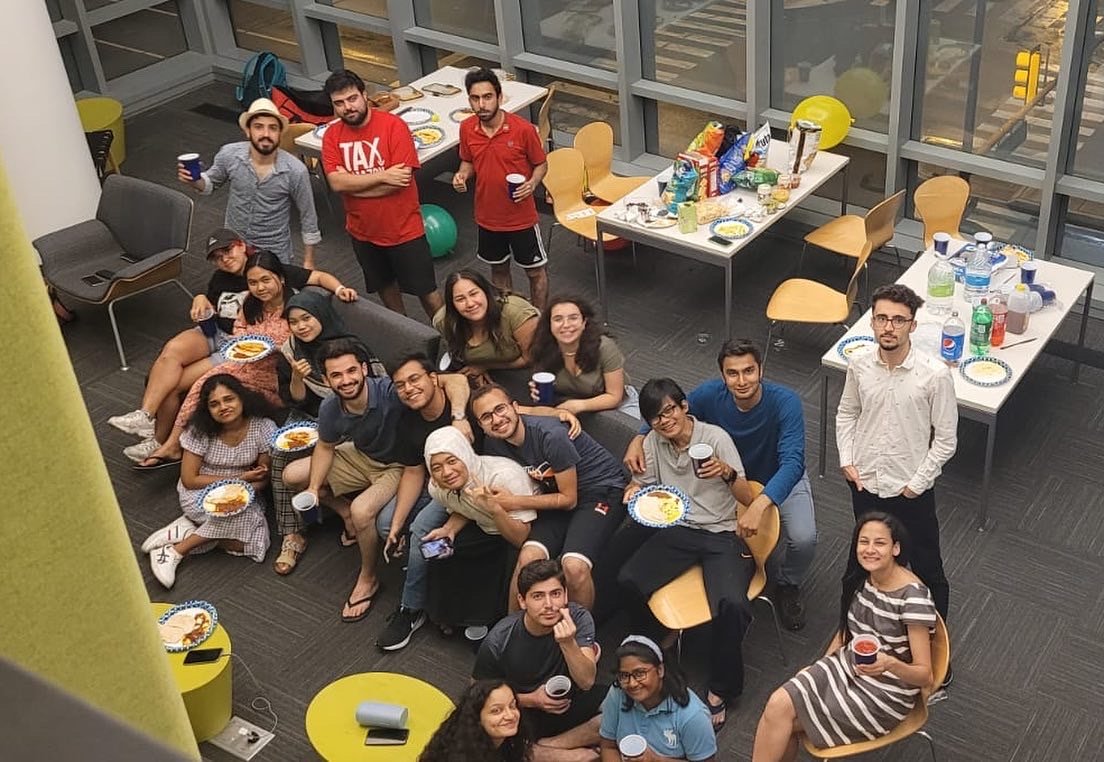
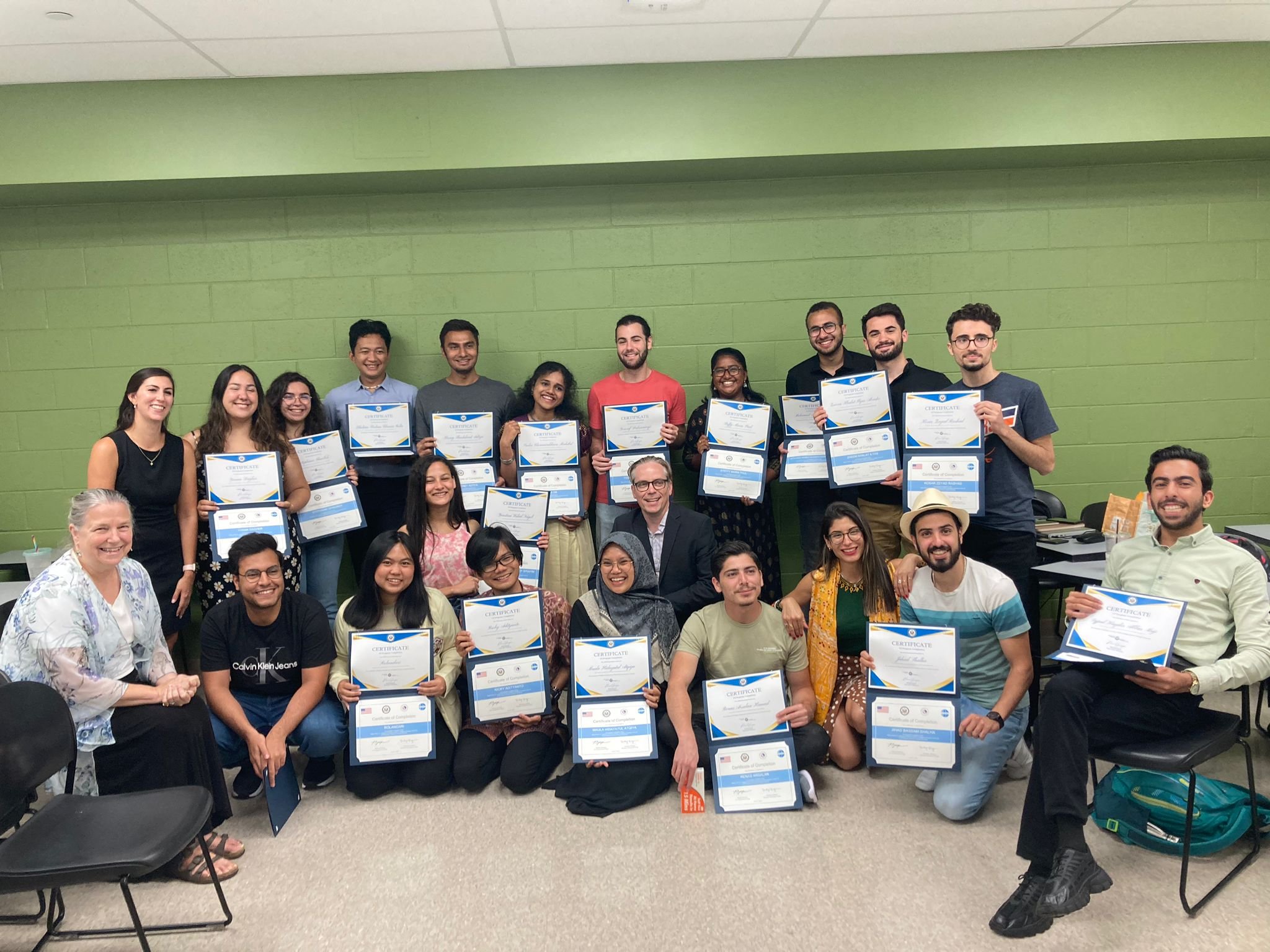
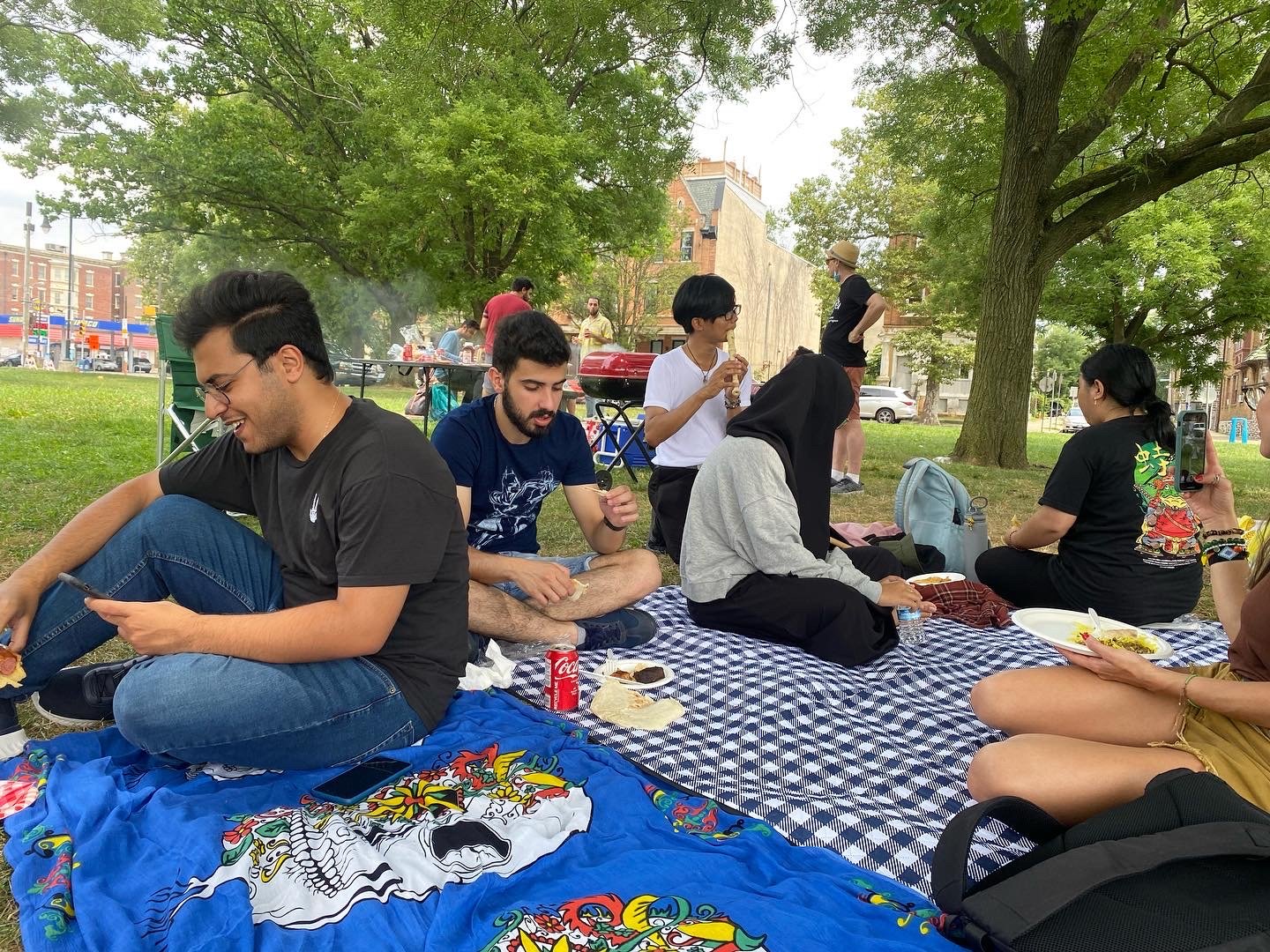
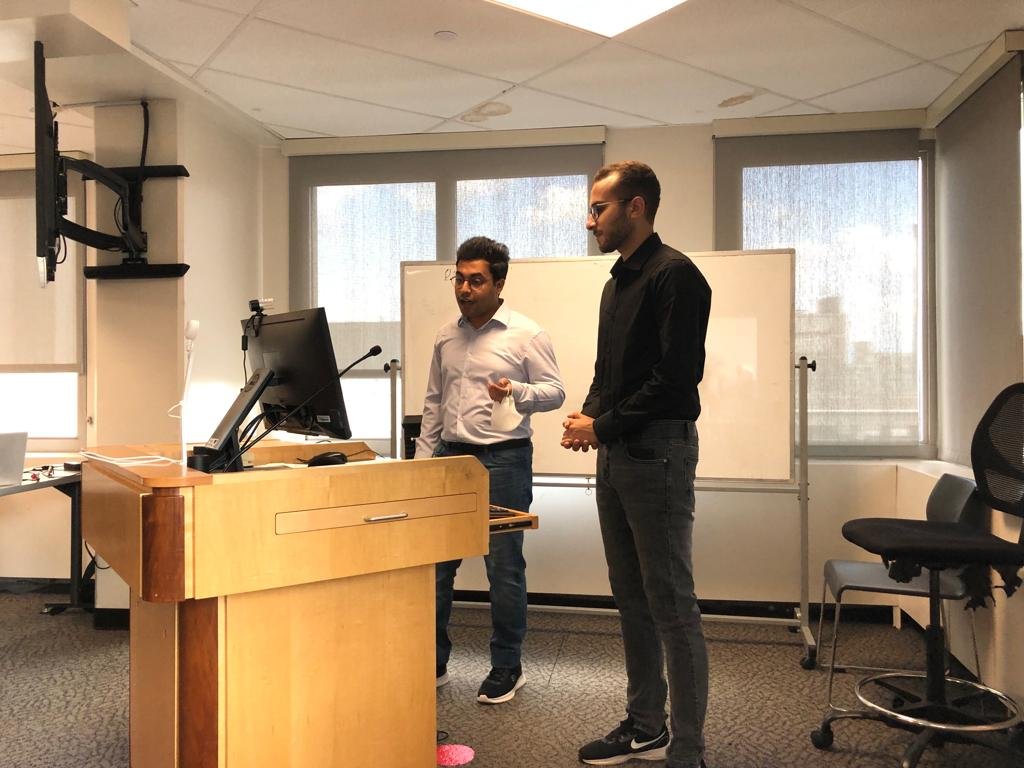
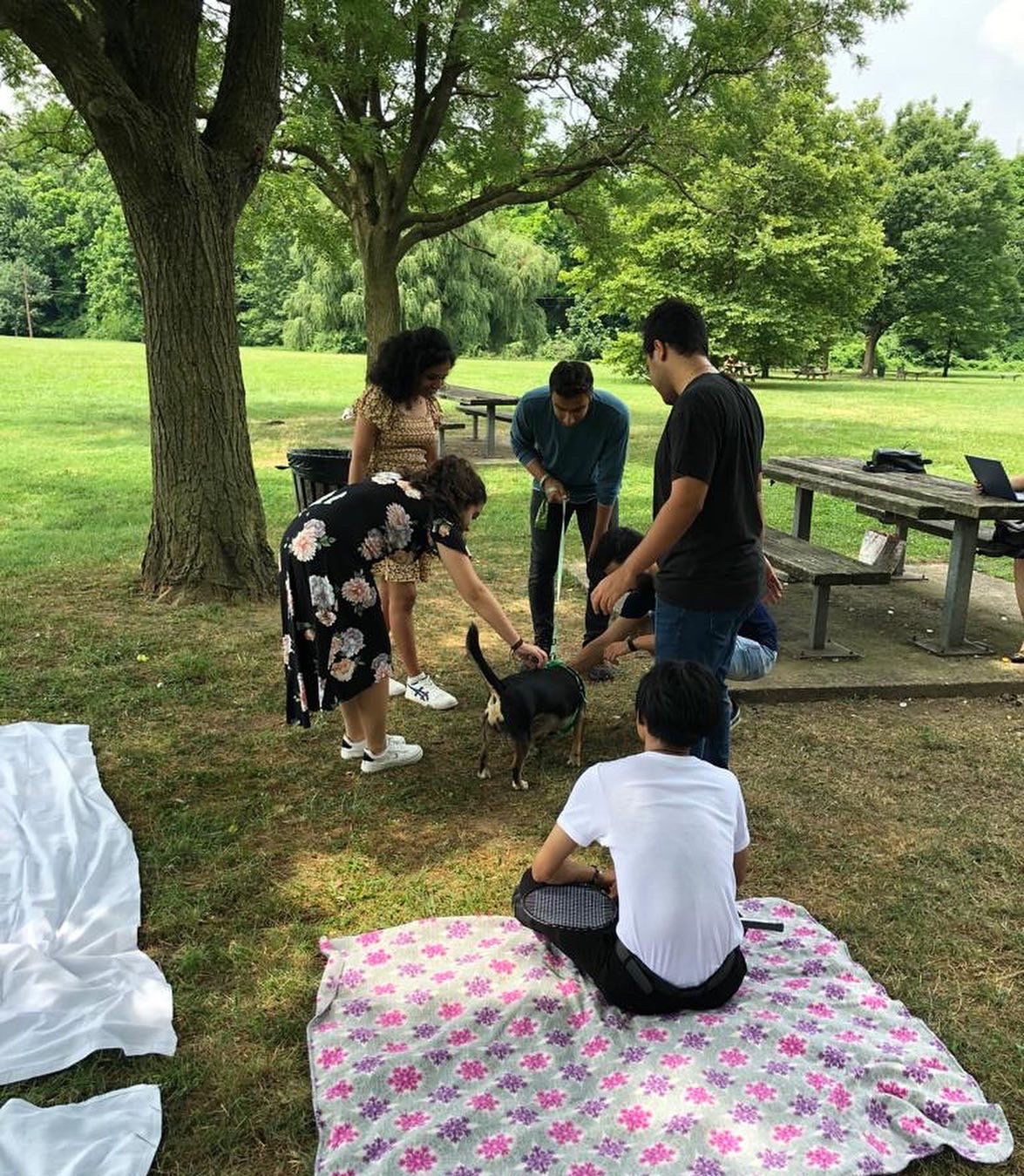
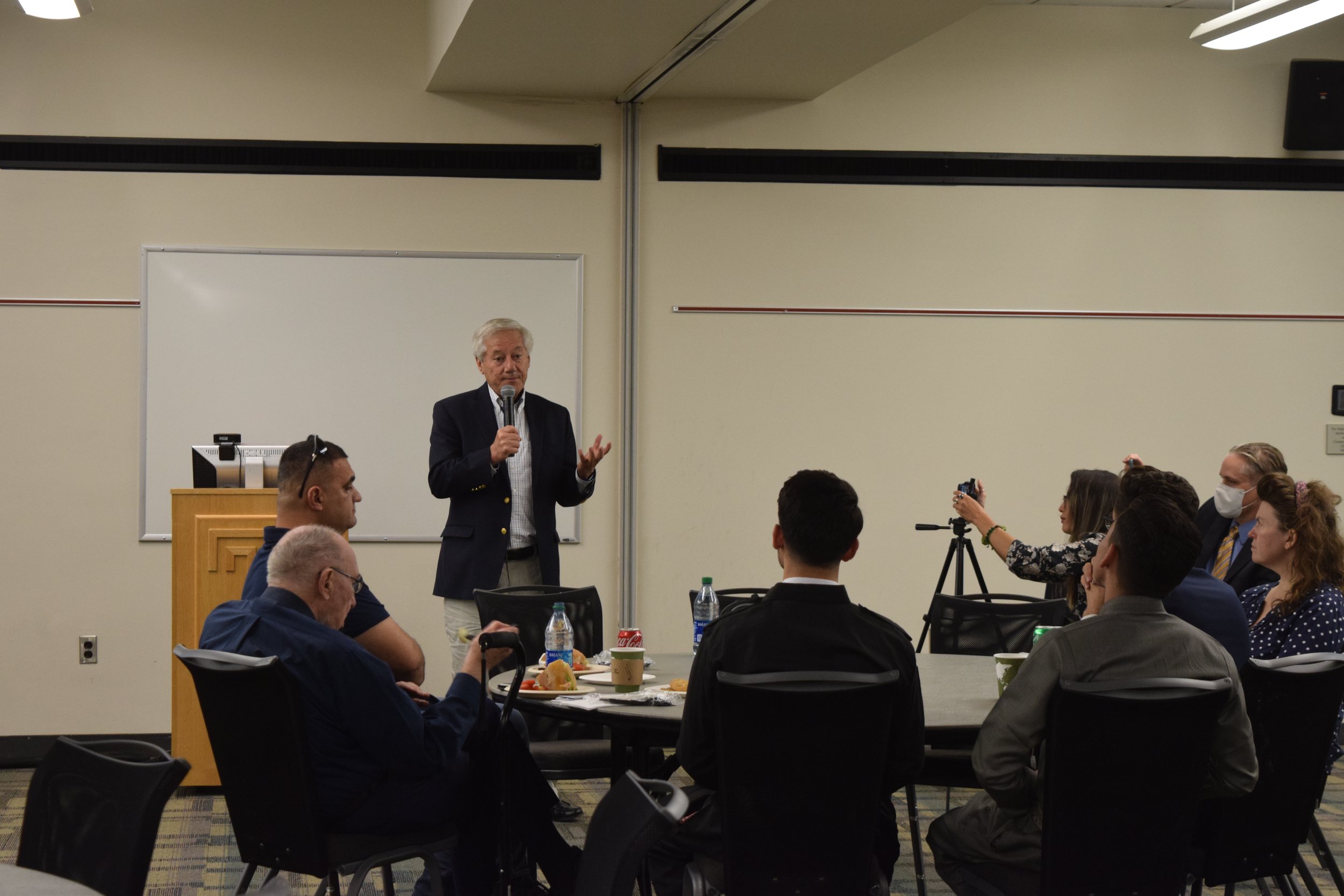
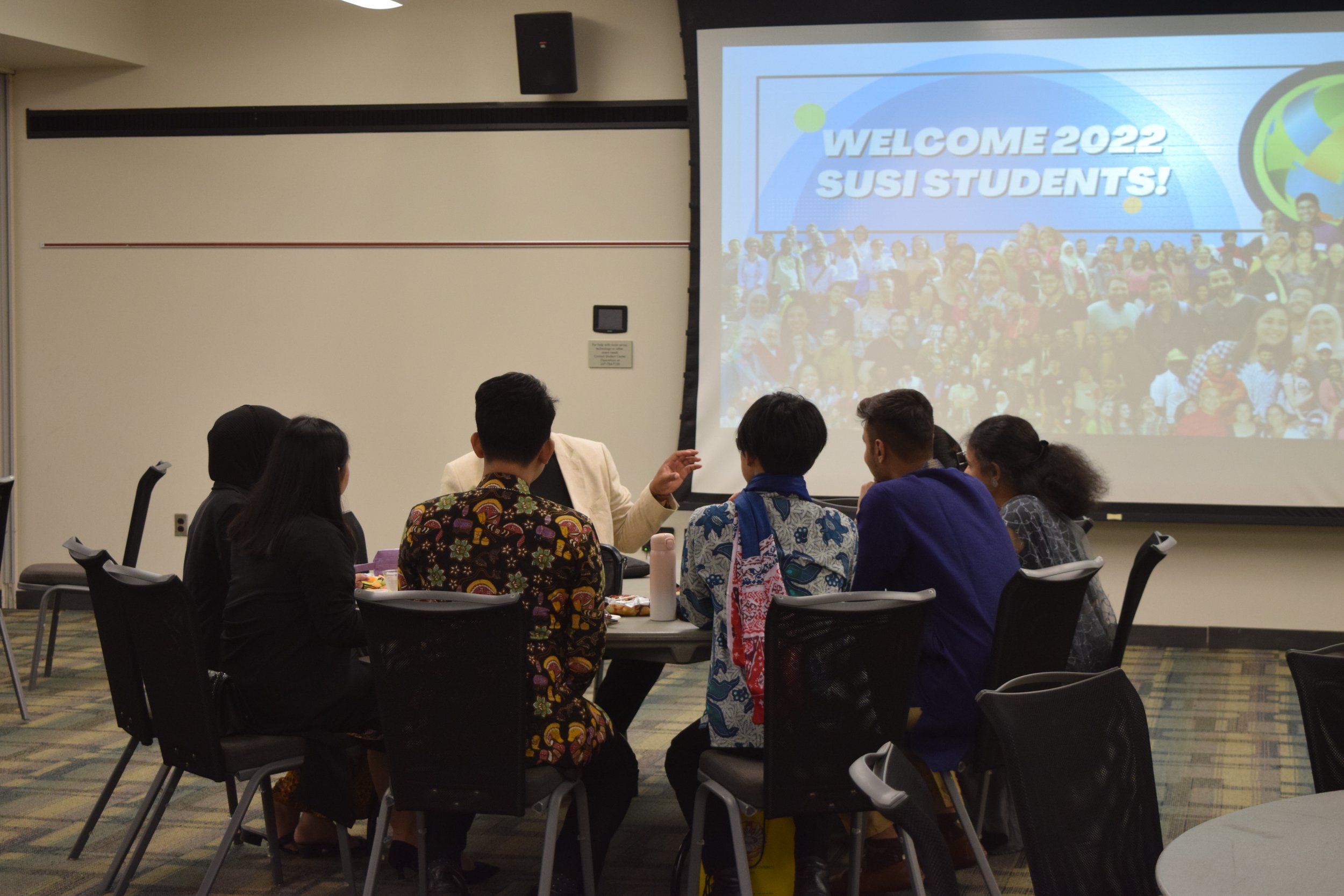
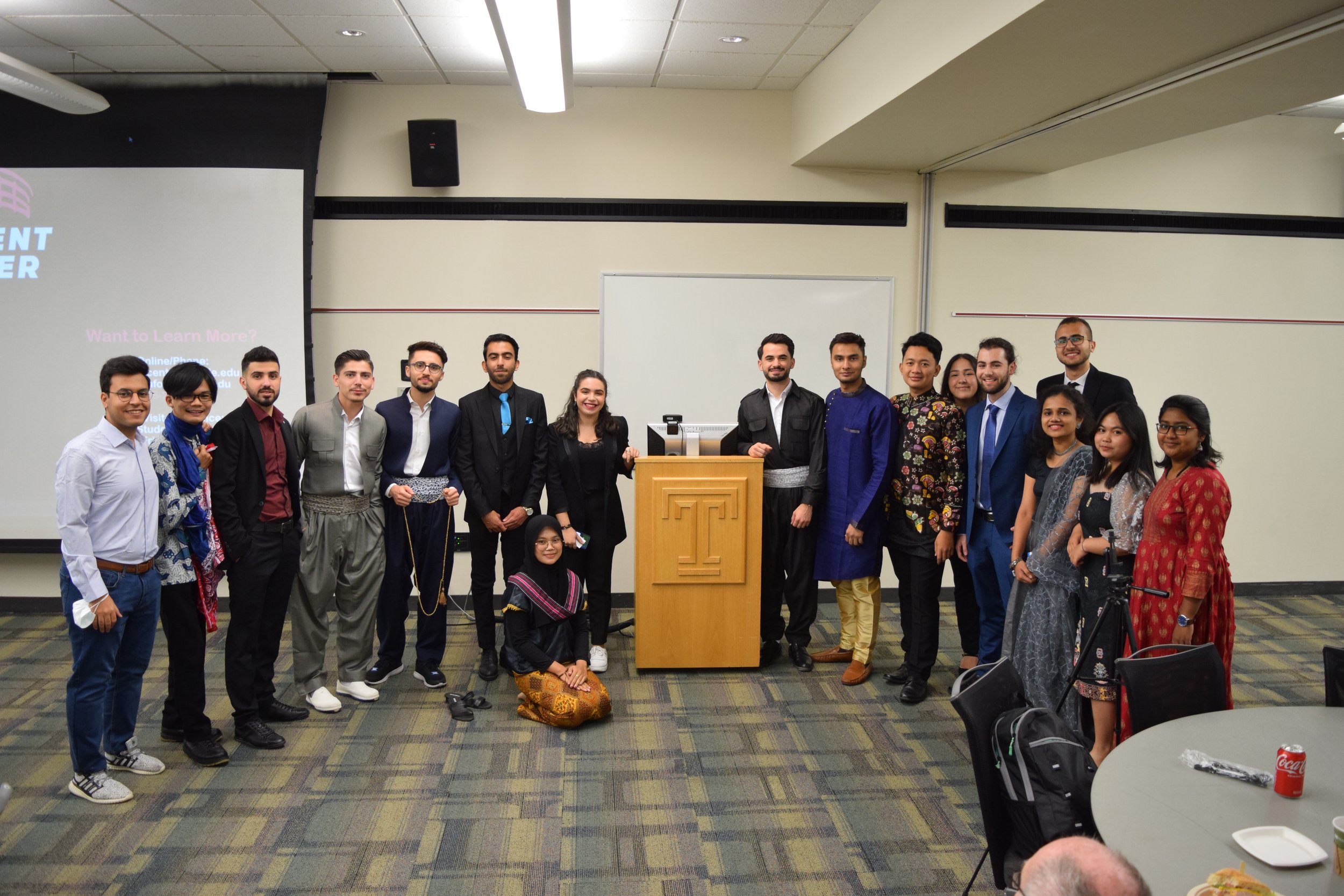
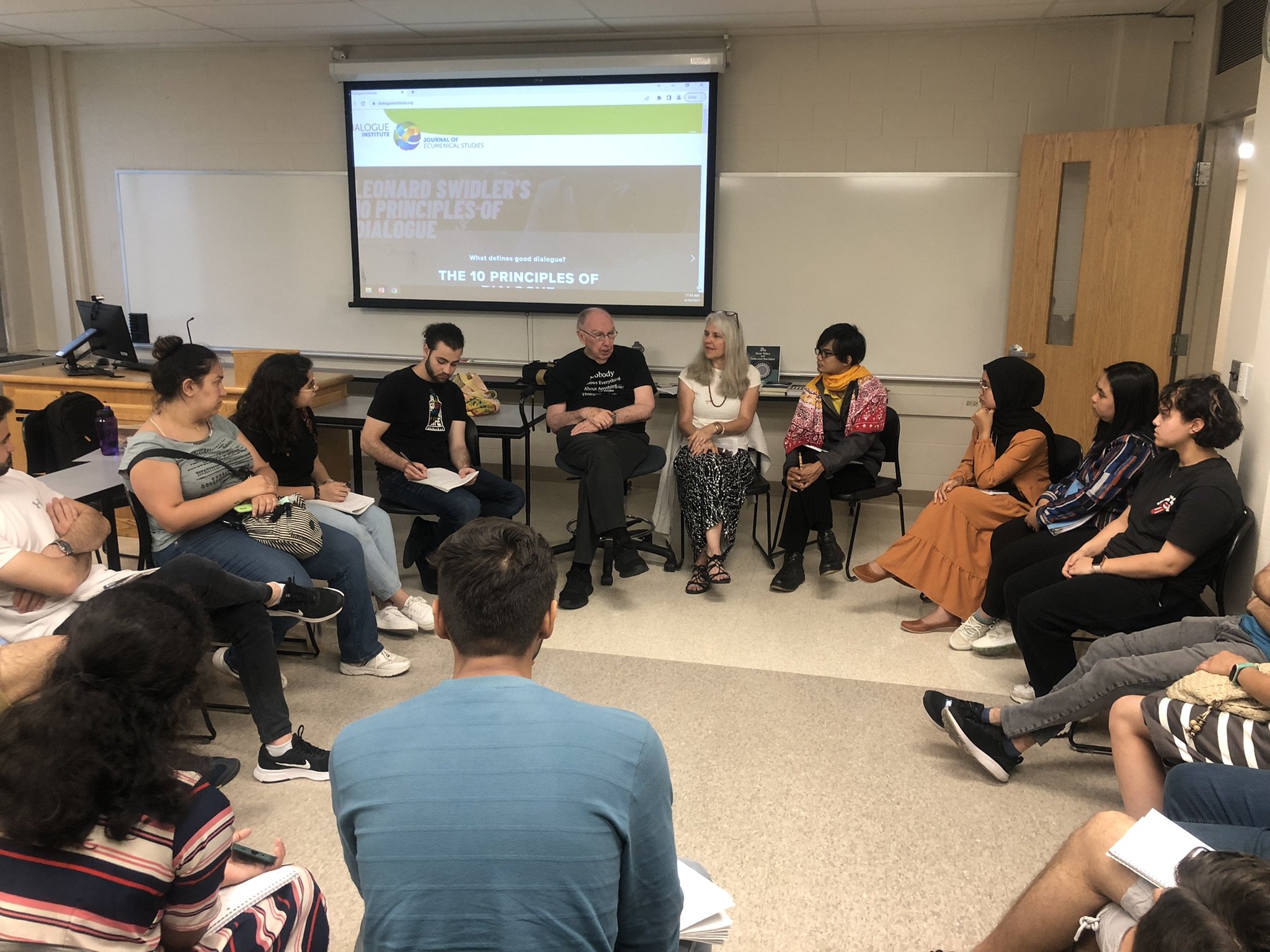
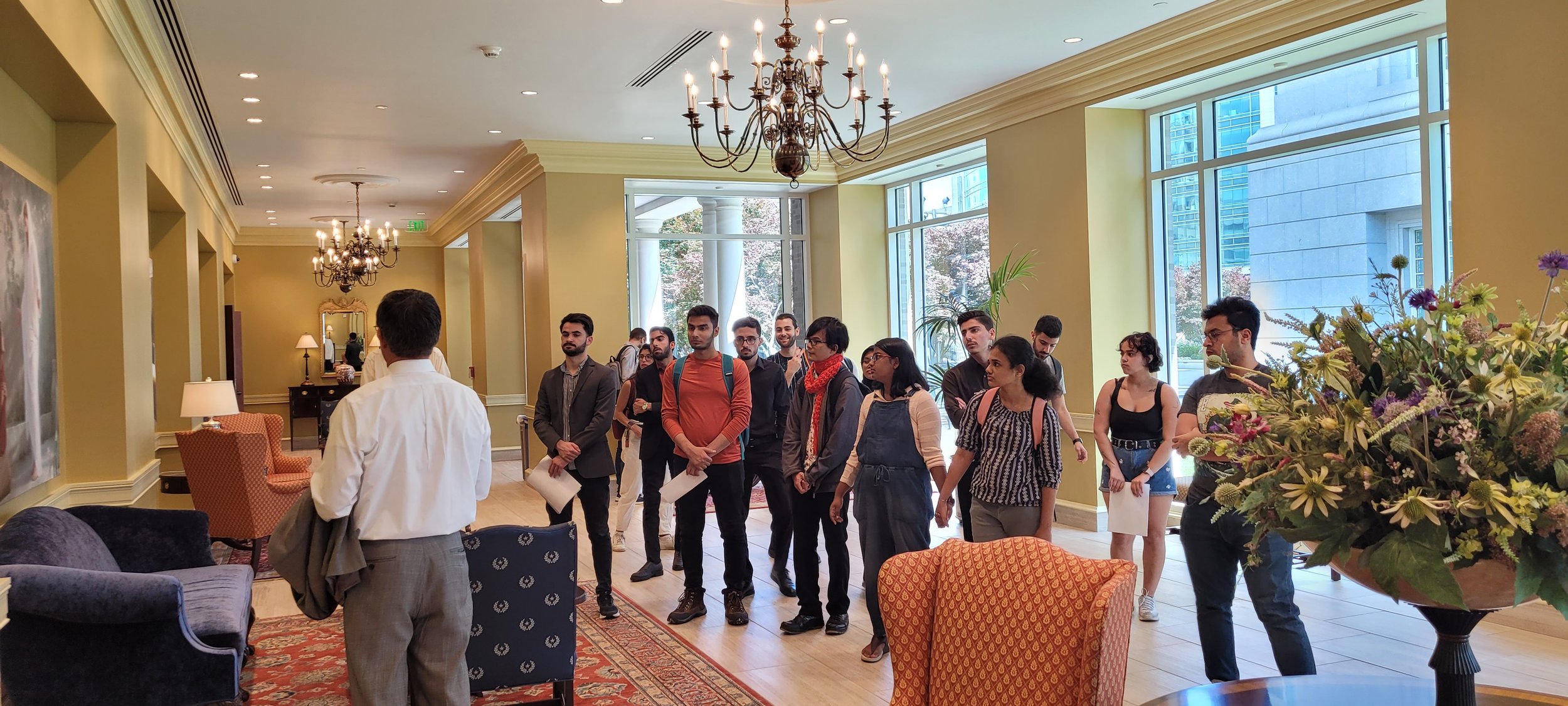
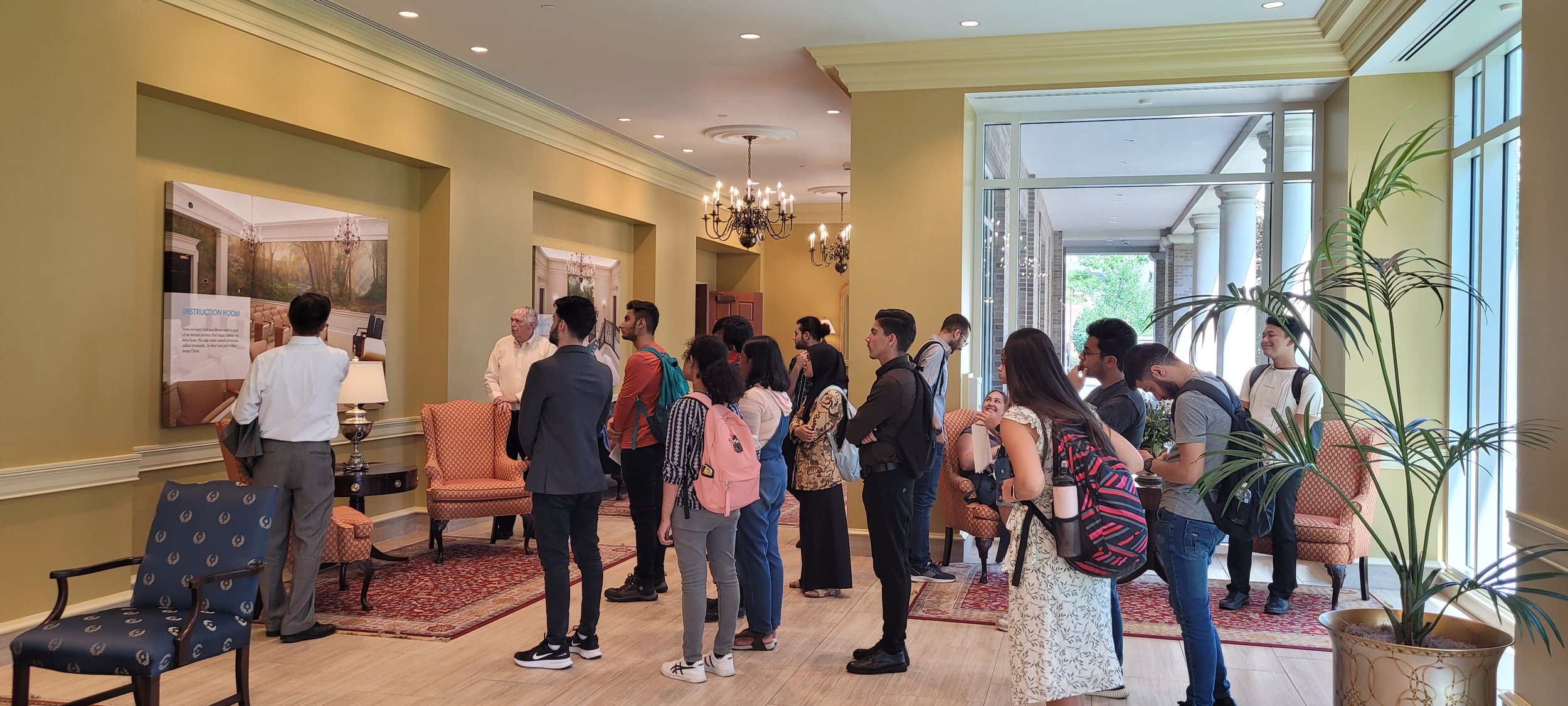
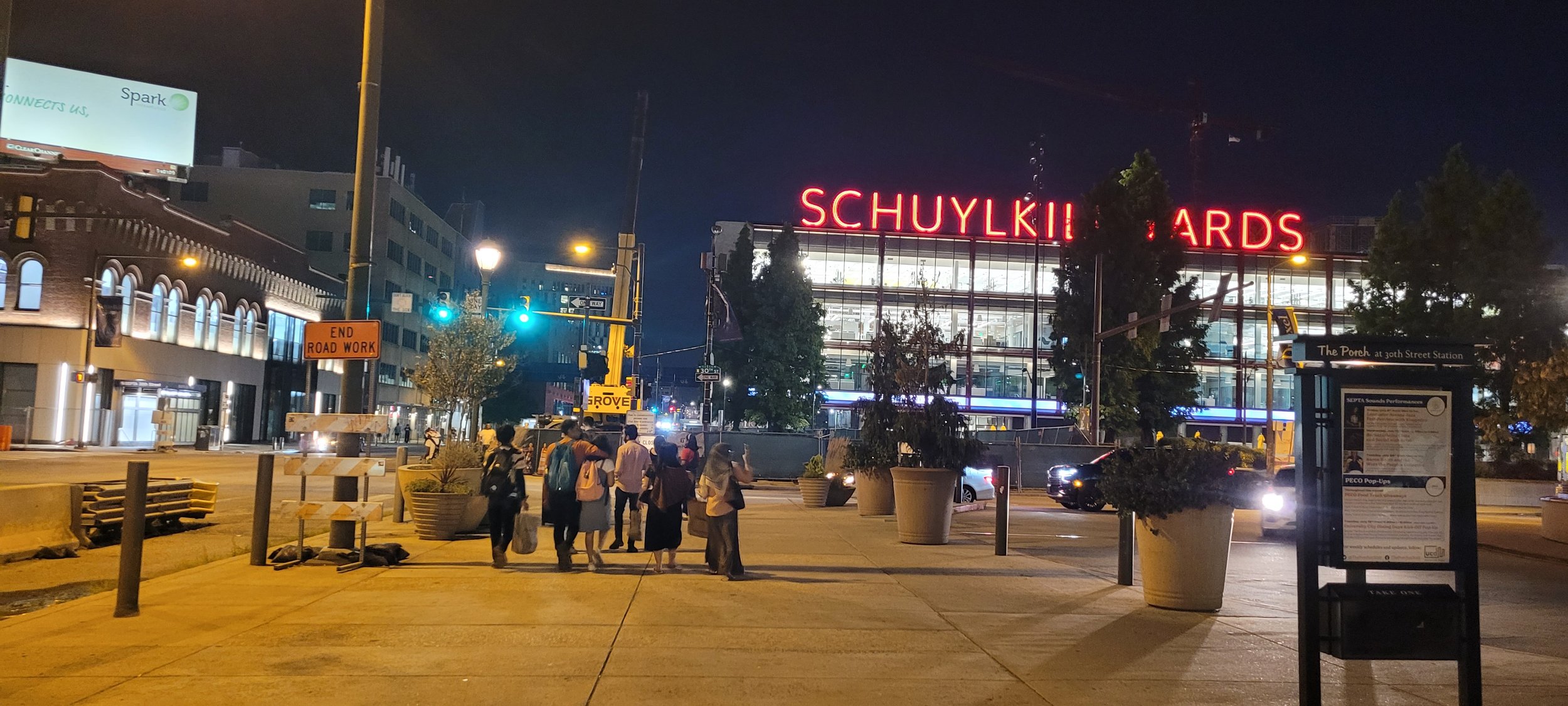
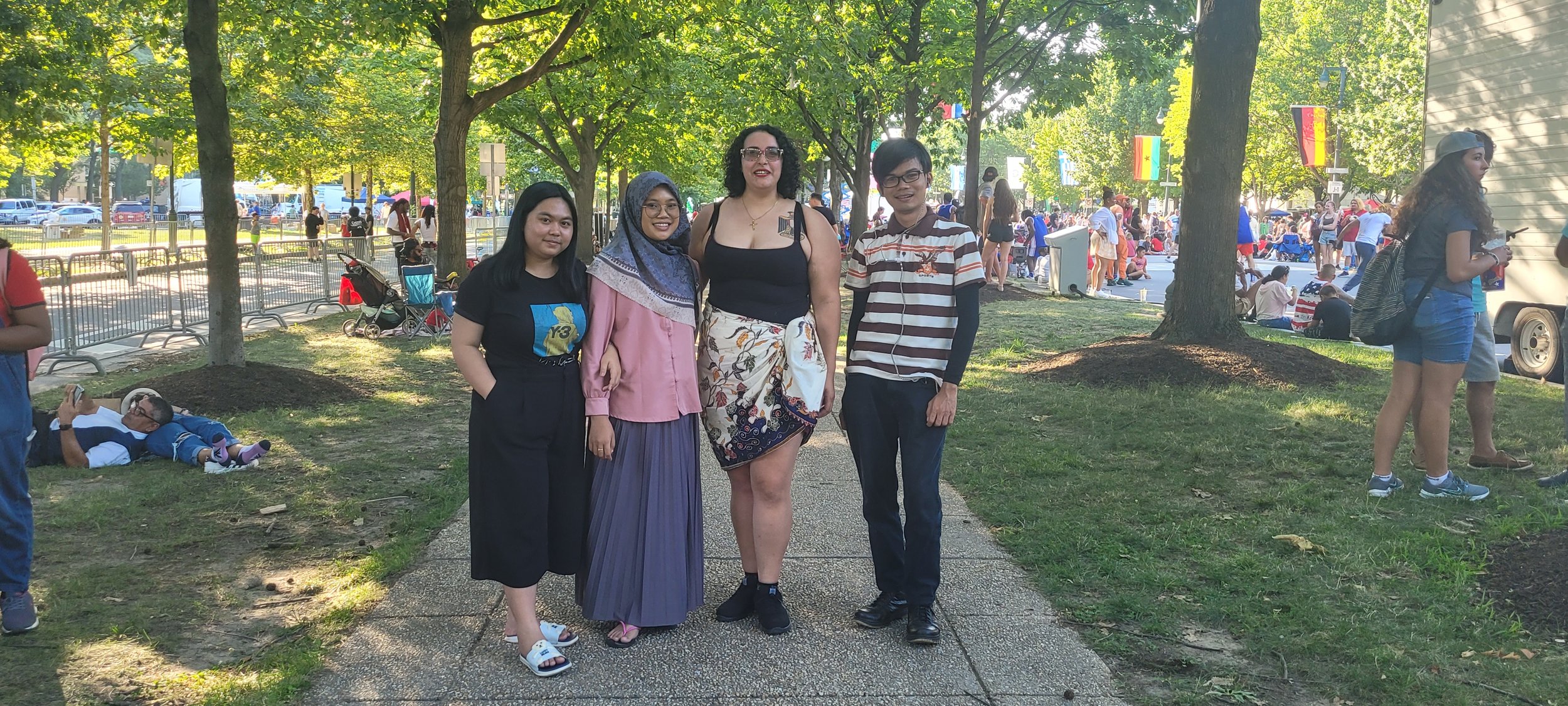
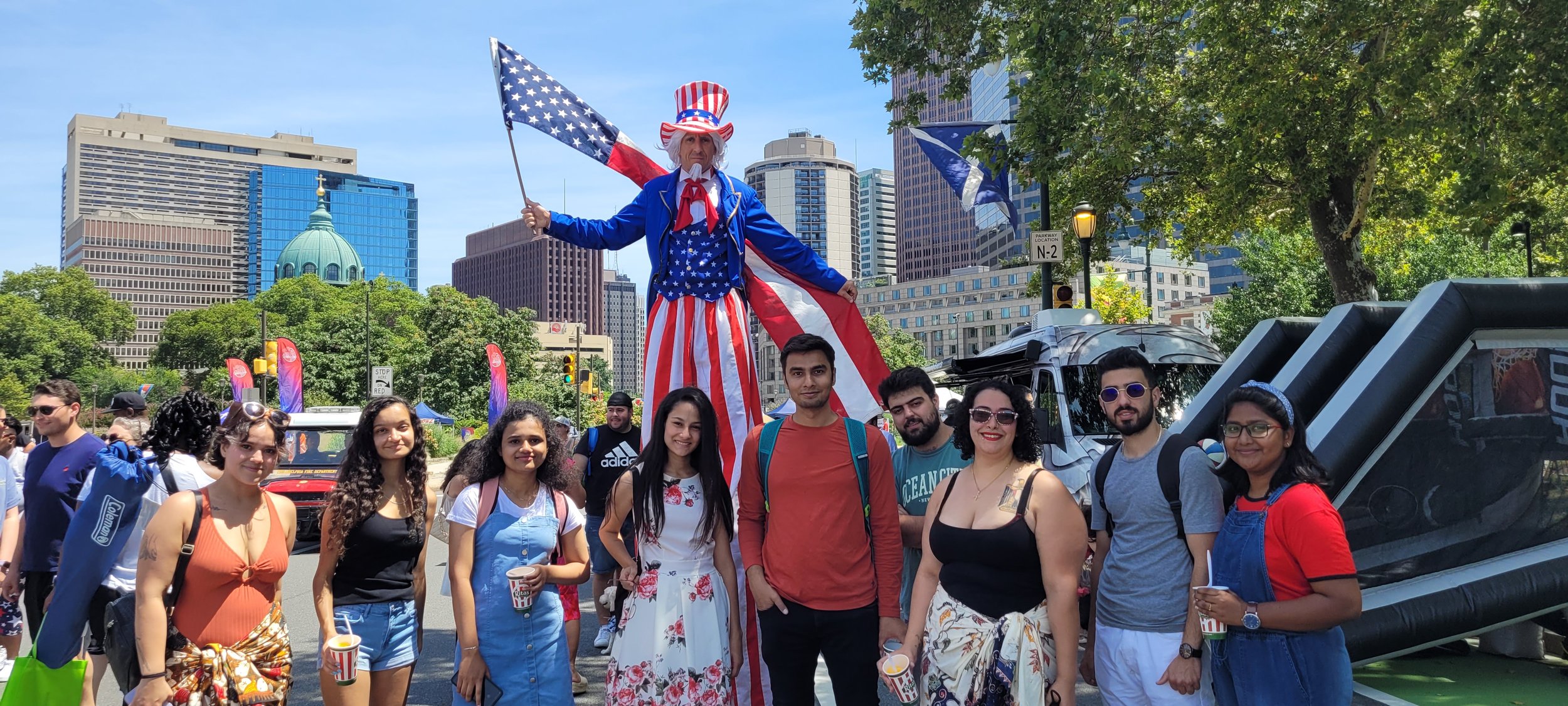
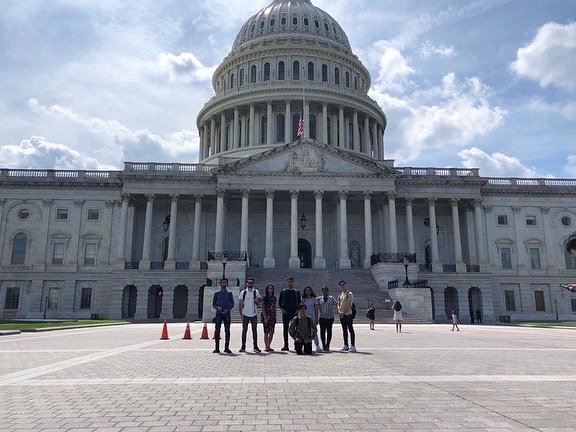
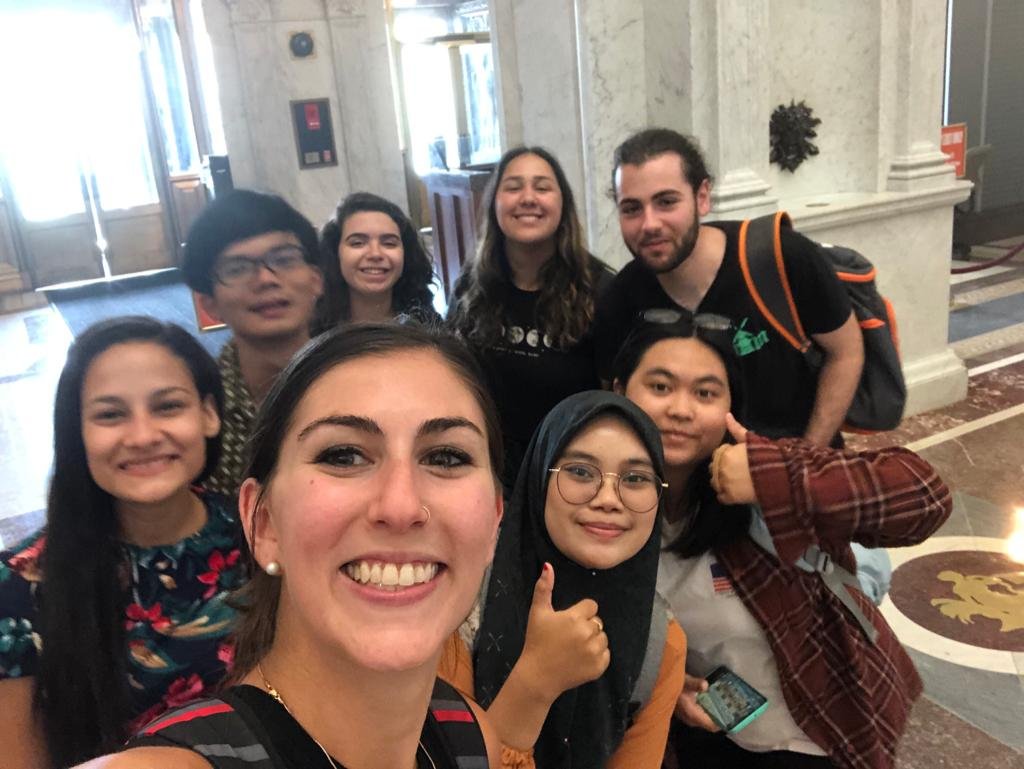
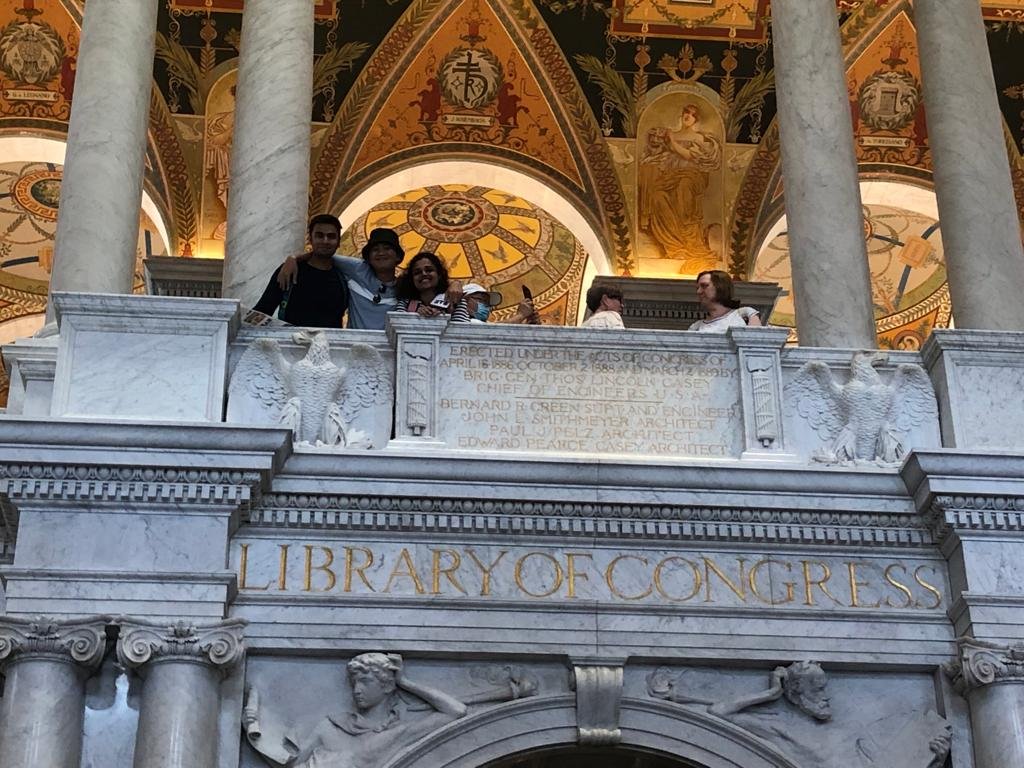
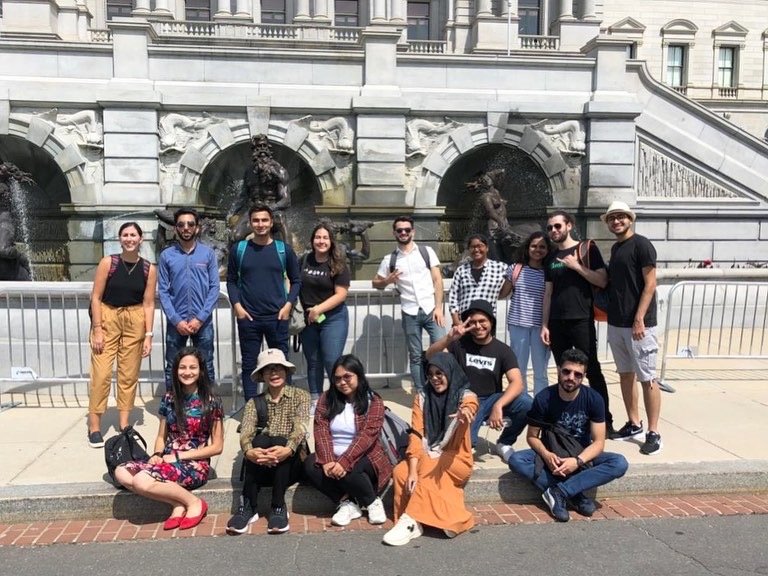
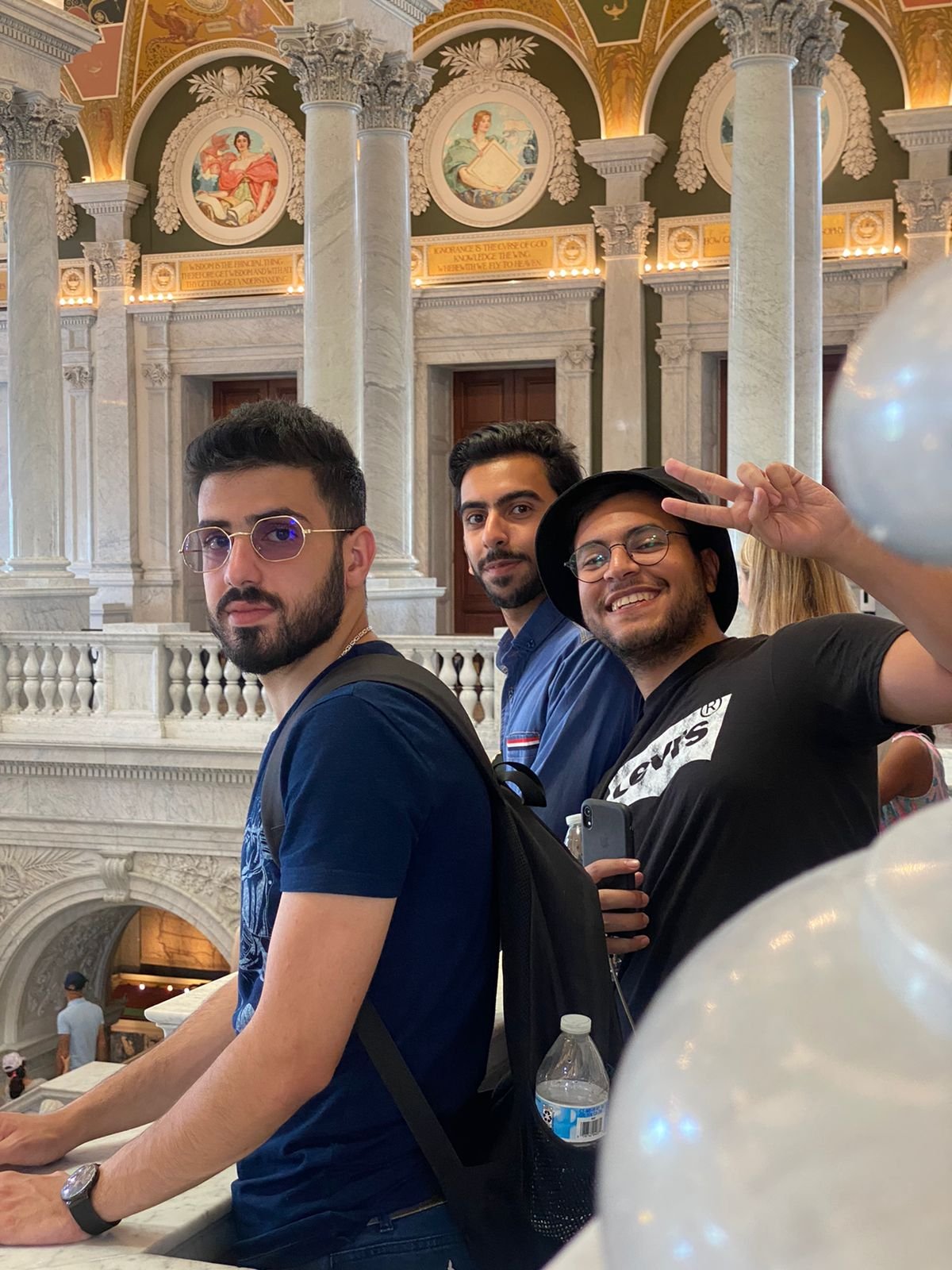
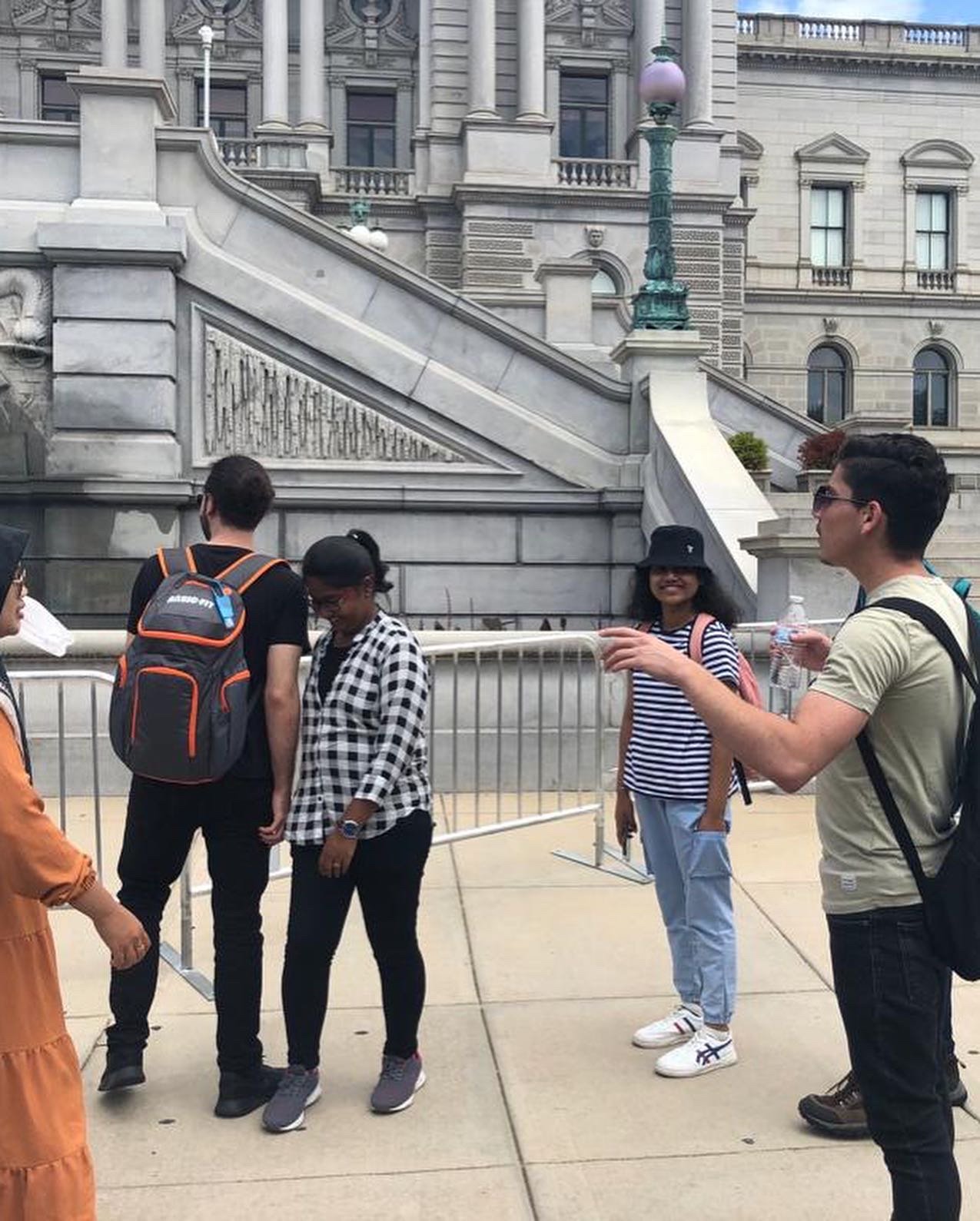
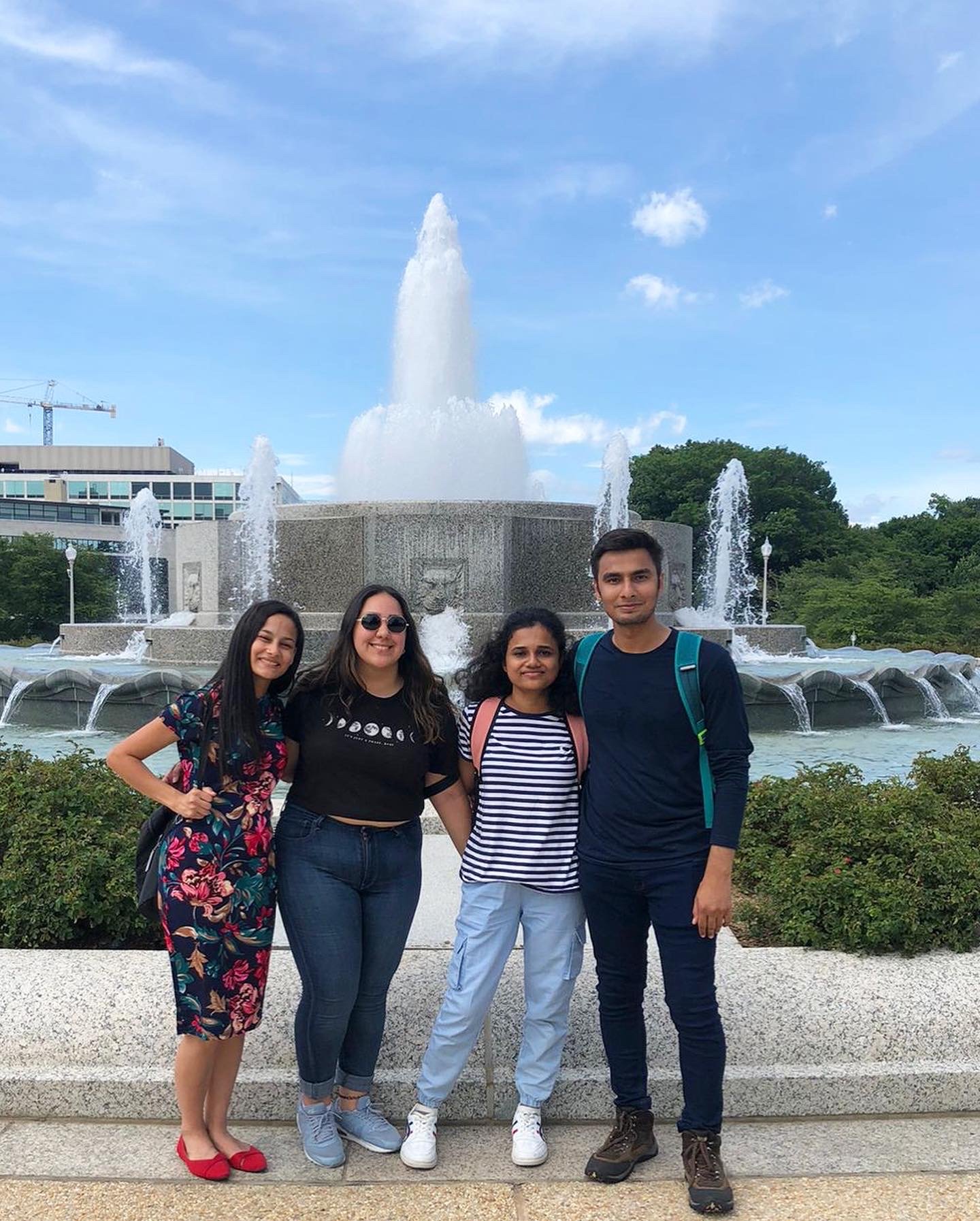
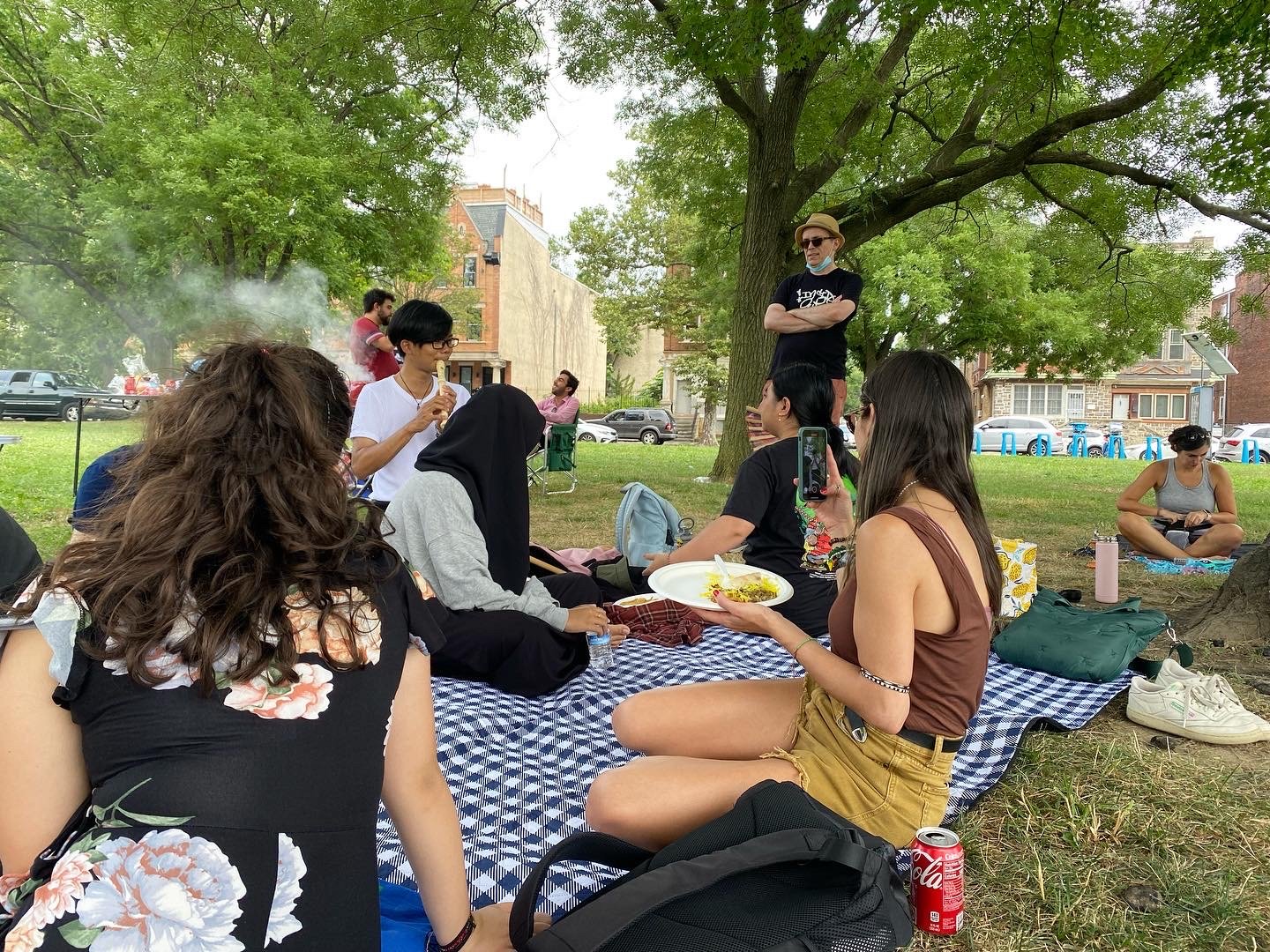
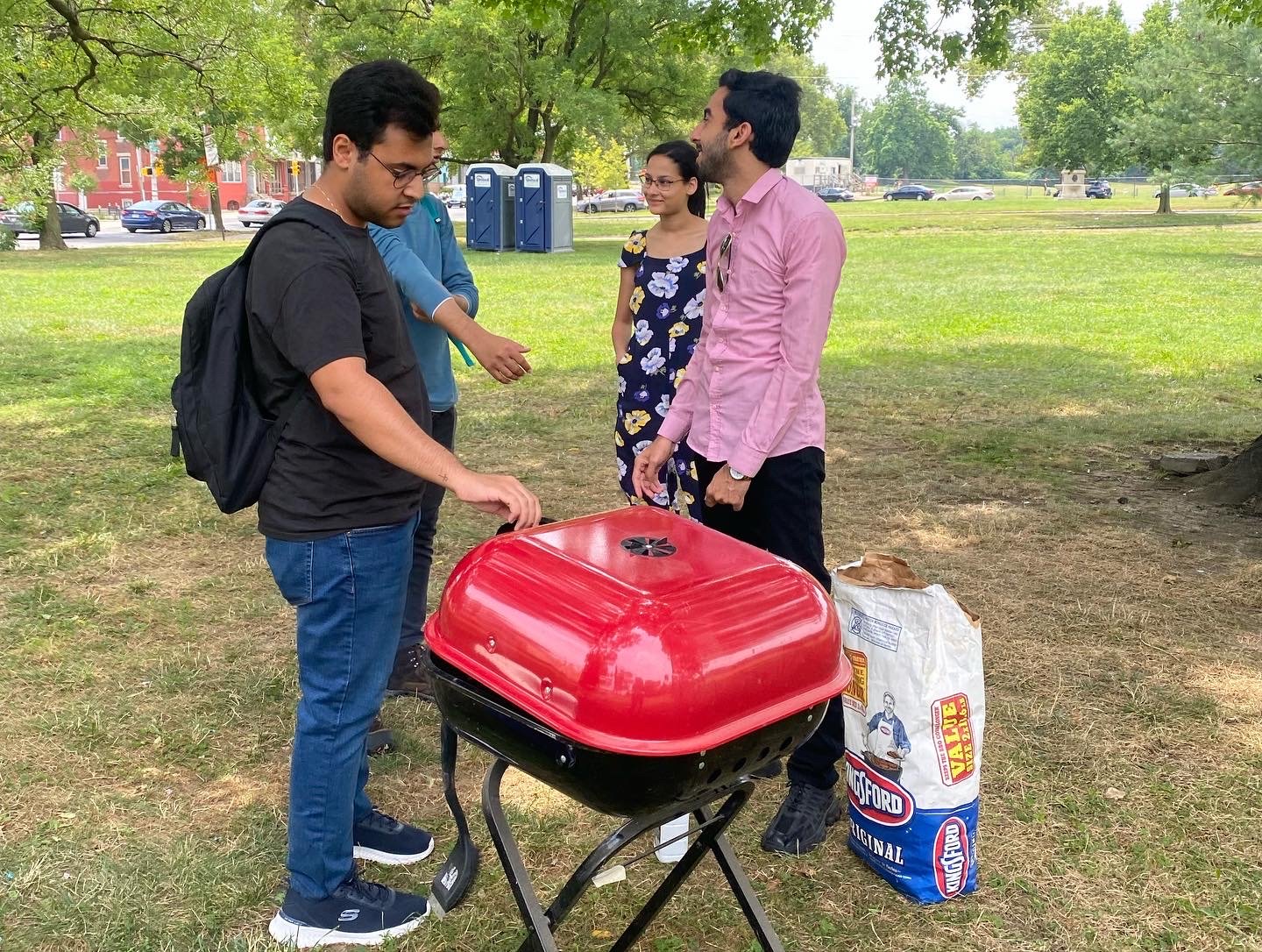
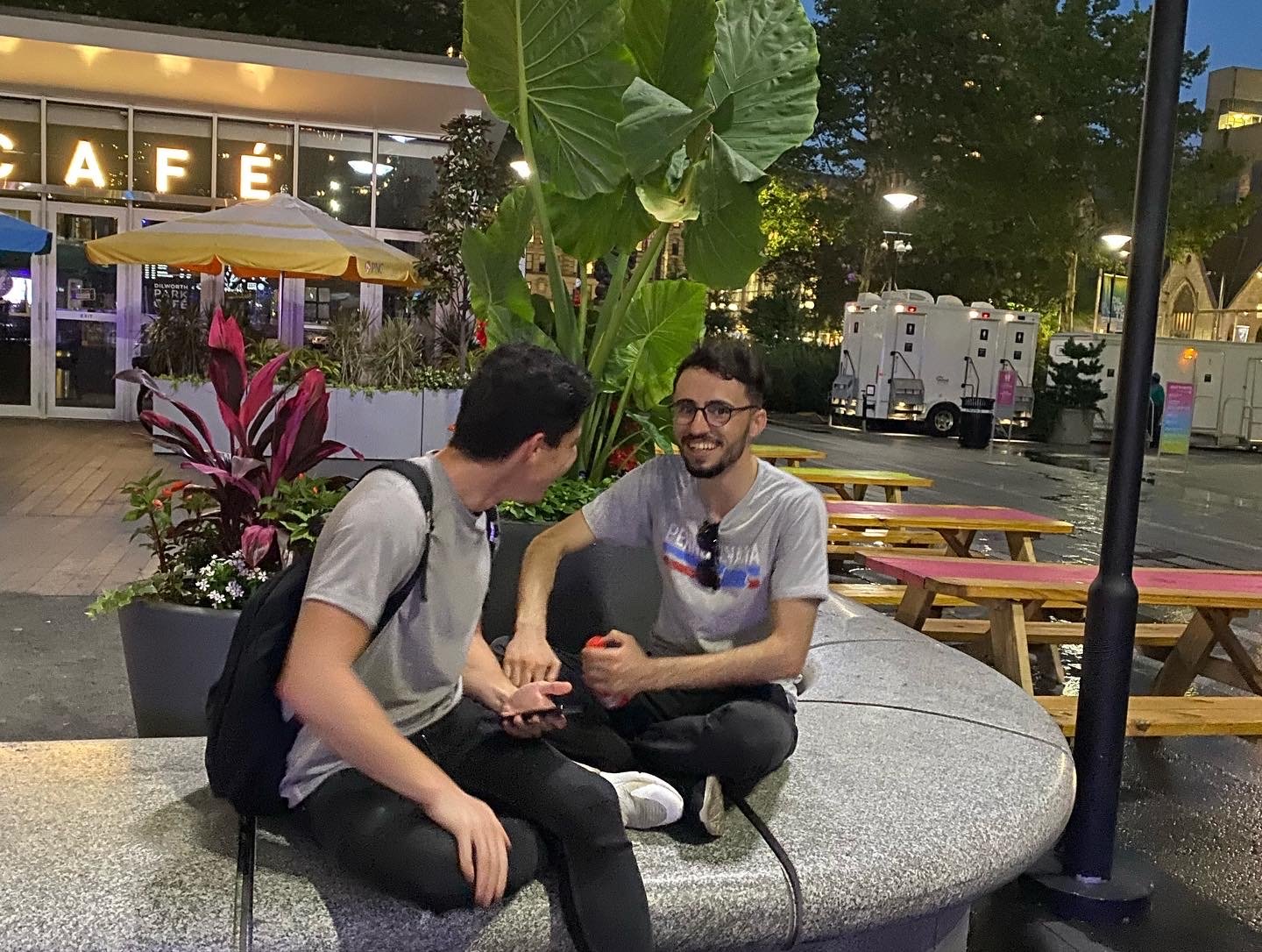
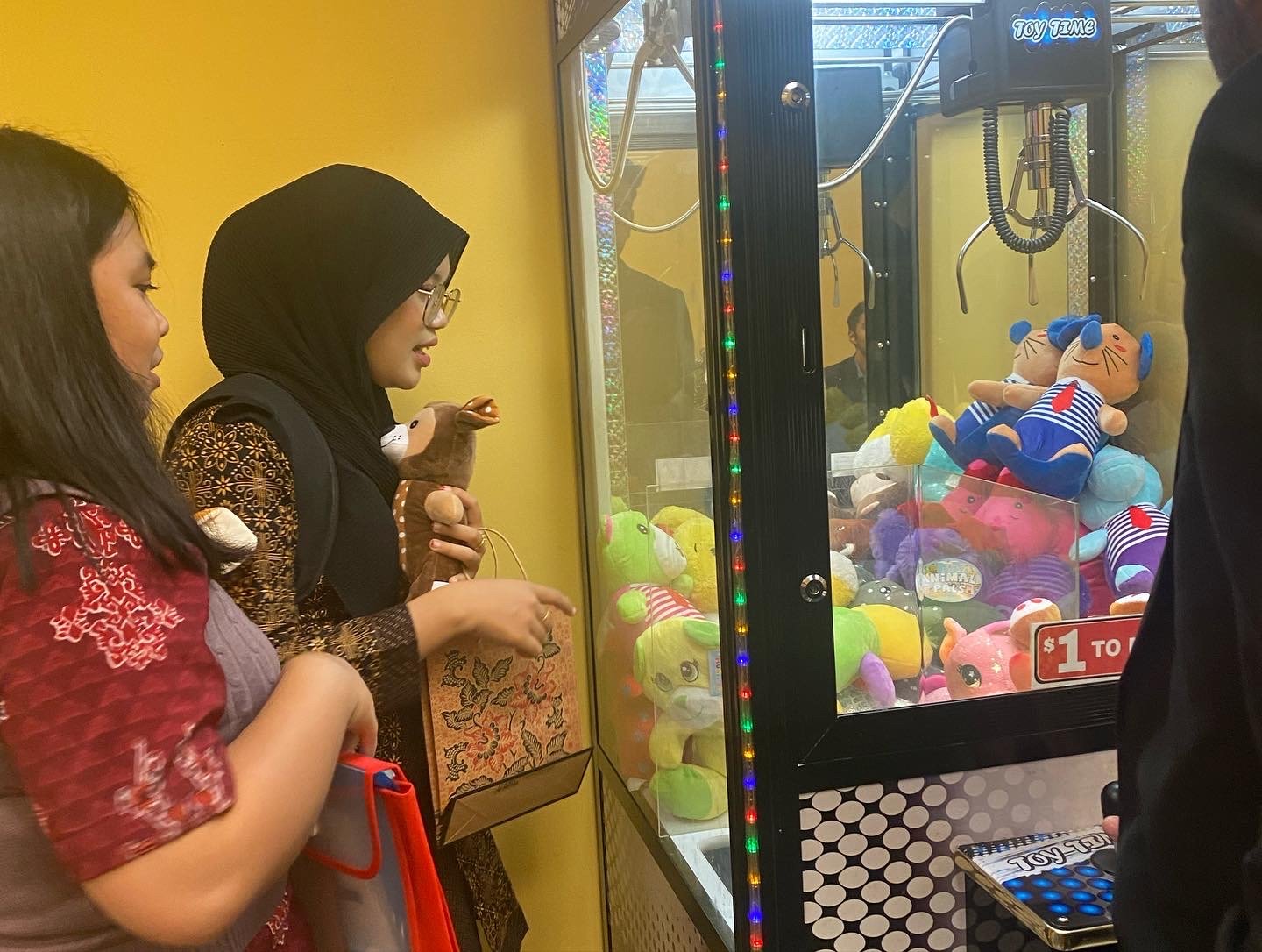
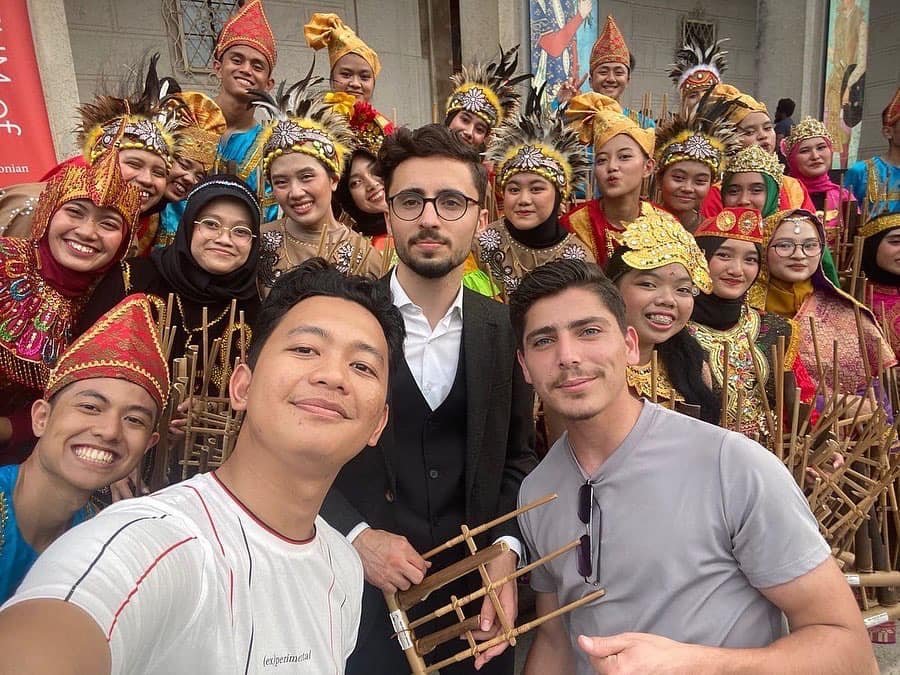
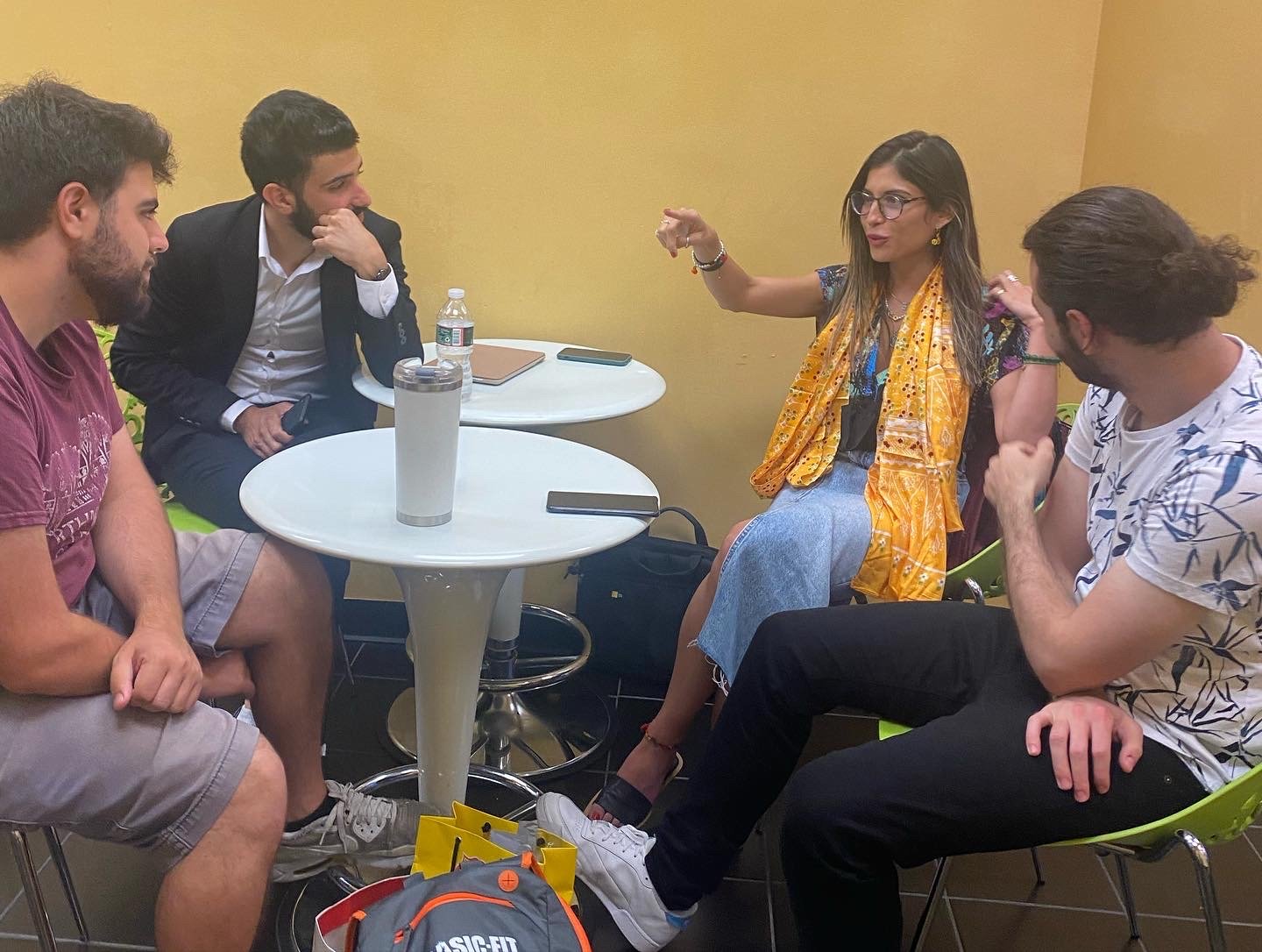
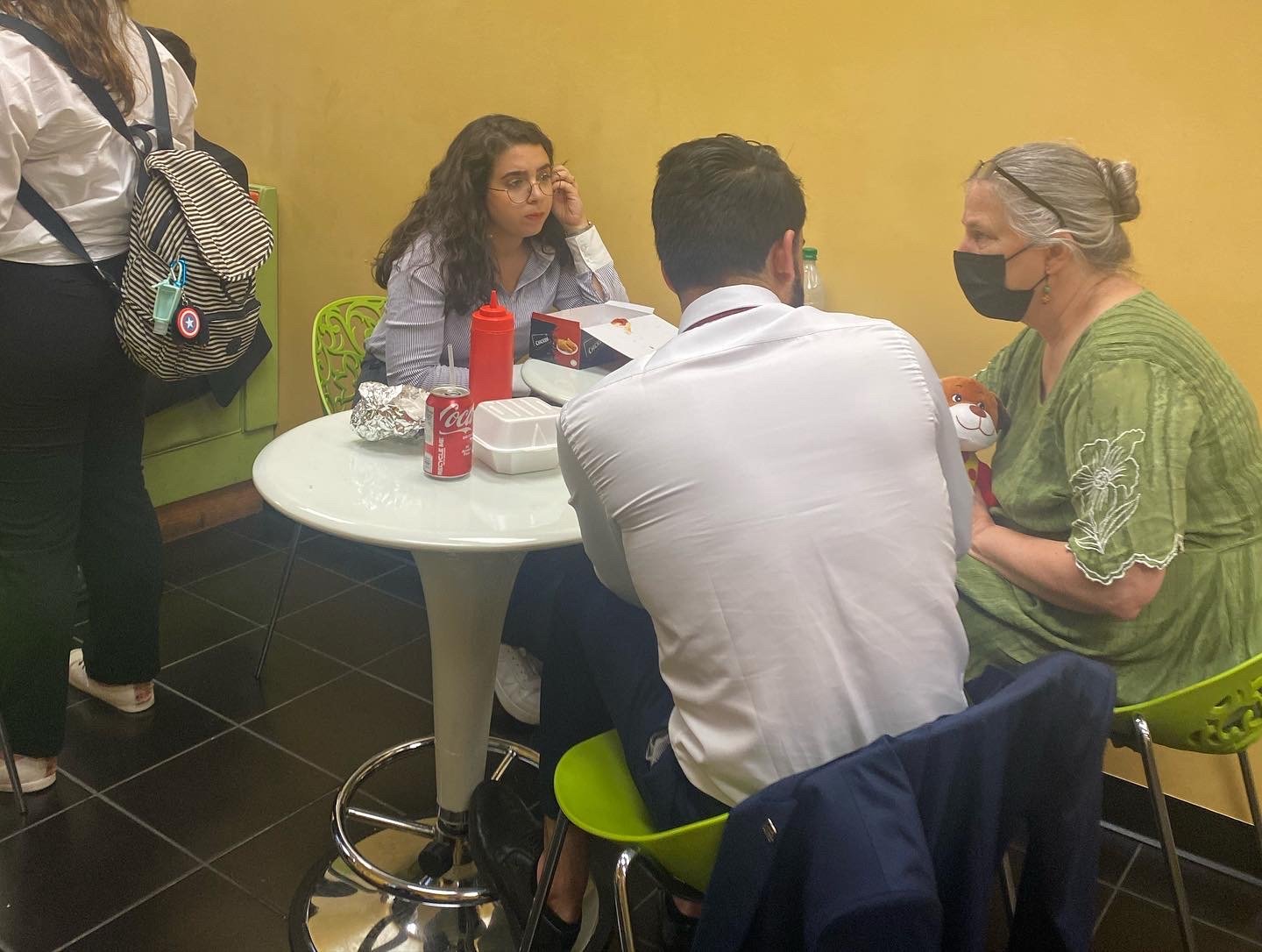
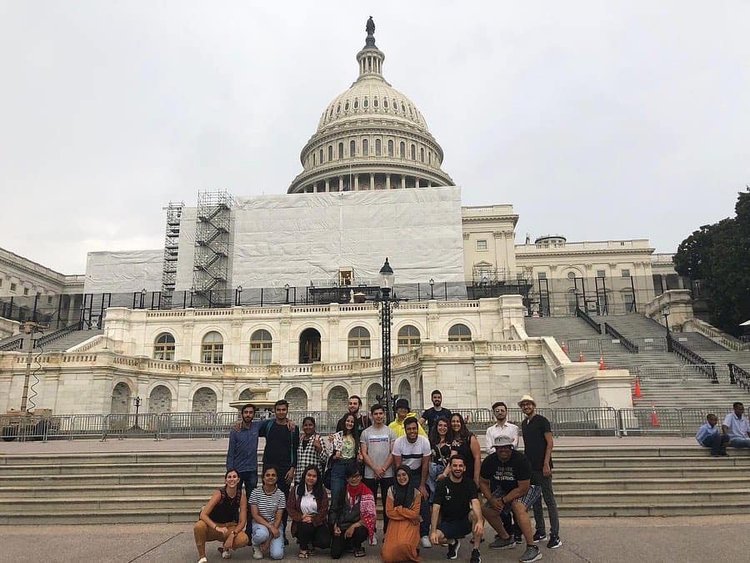
This summer the Dialogue Institute hosted 18 students from Iraq, India, Indonesia, Egypt, and Lebanon for another SUSI Religious Freedom program.
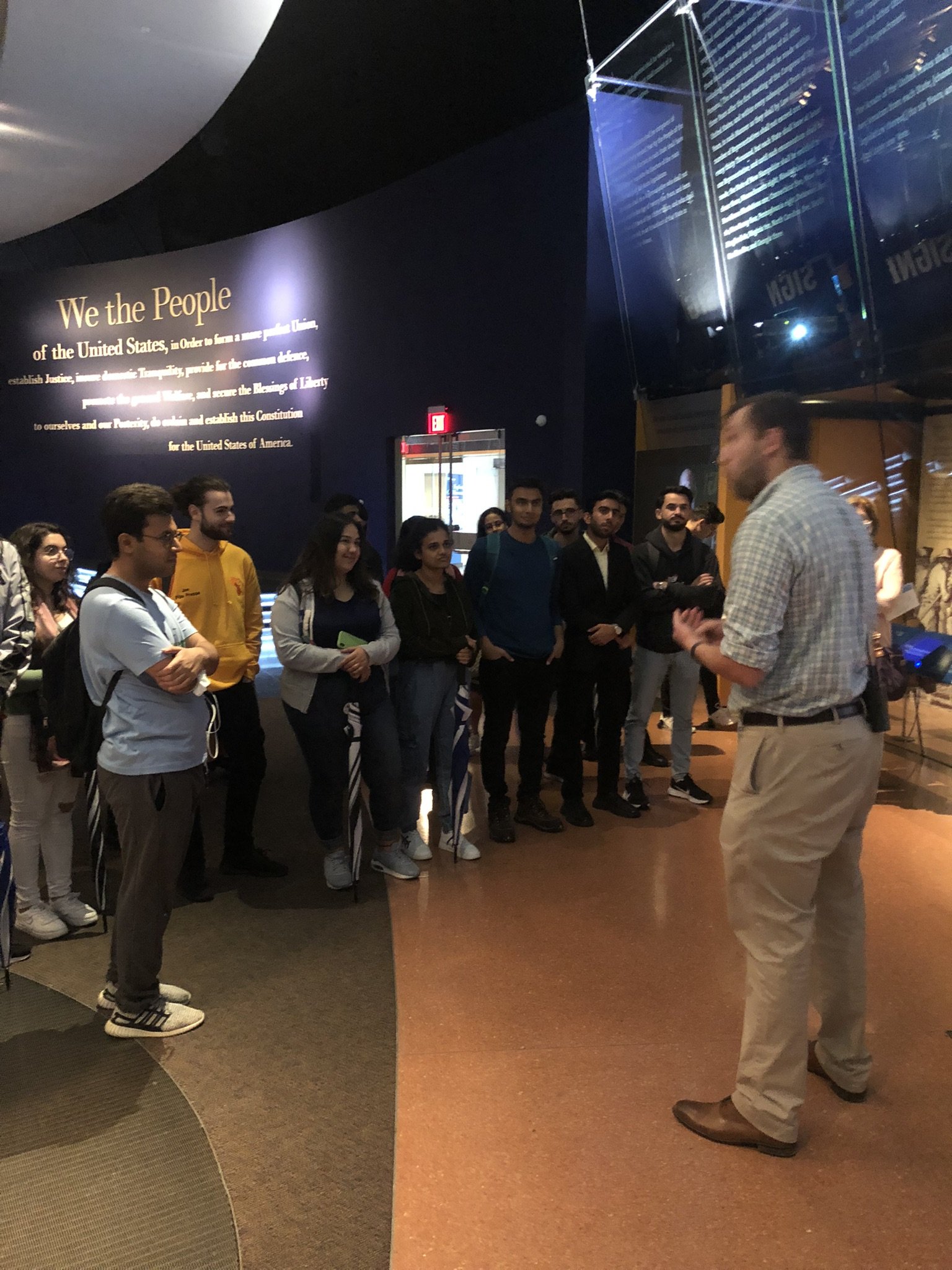
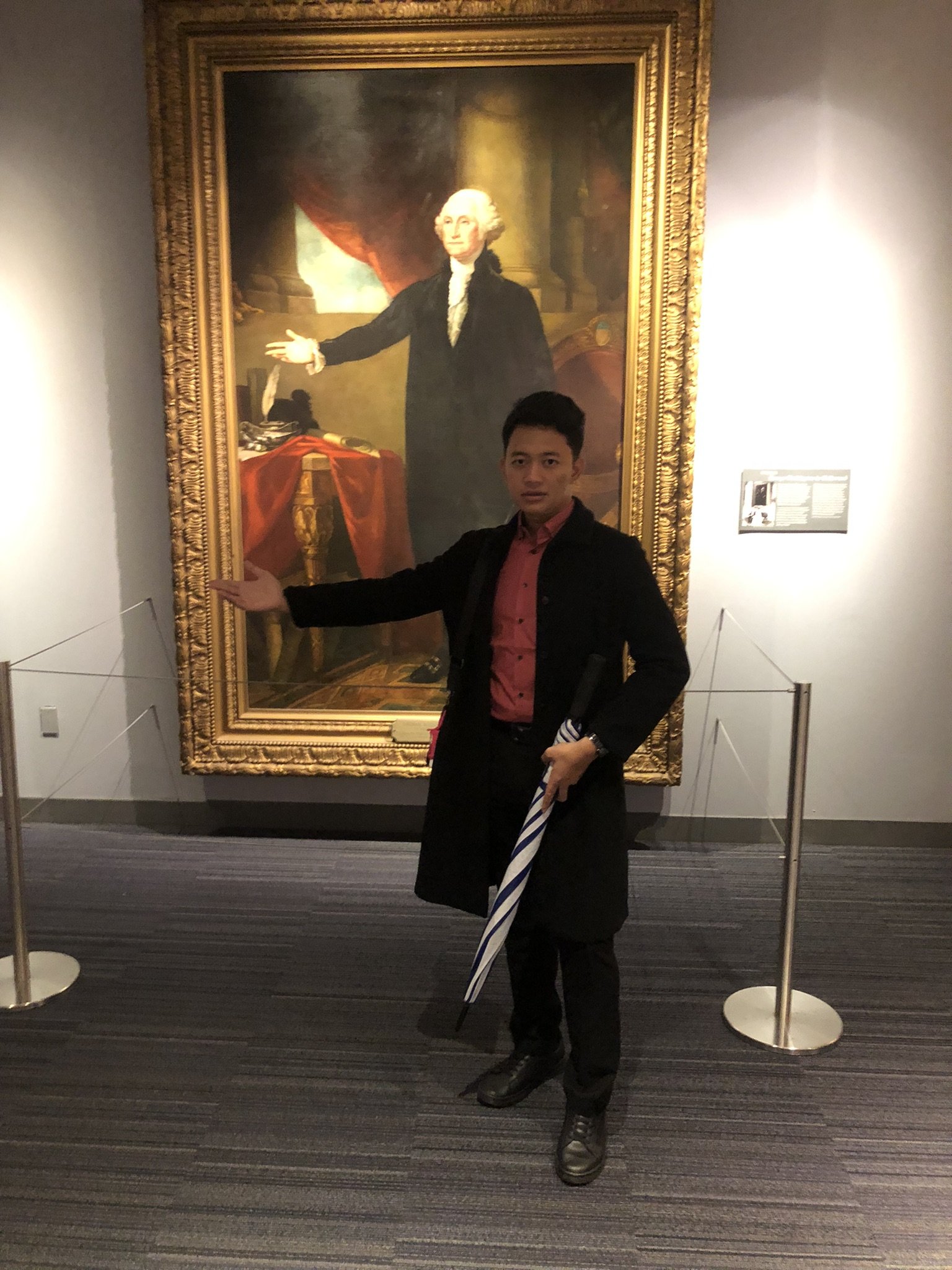
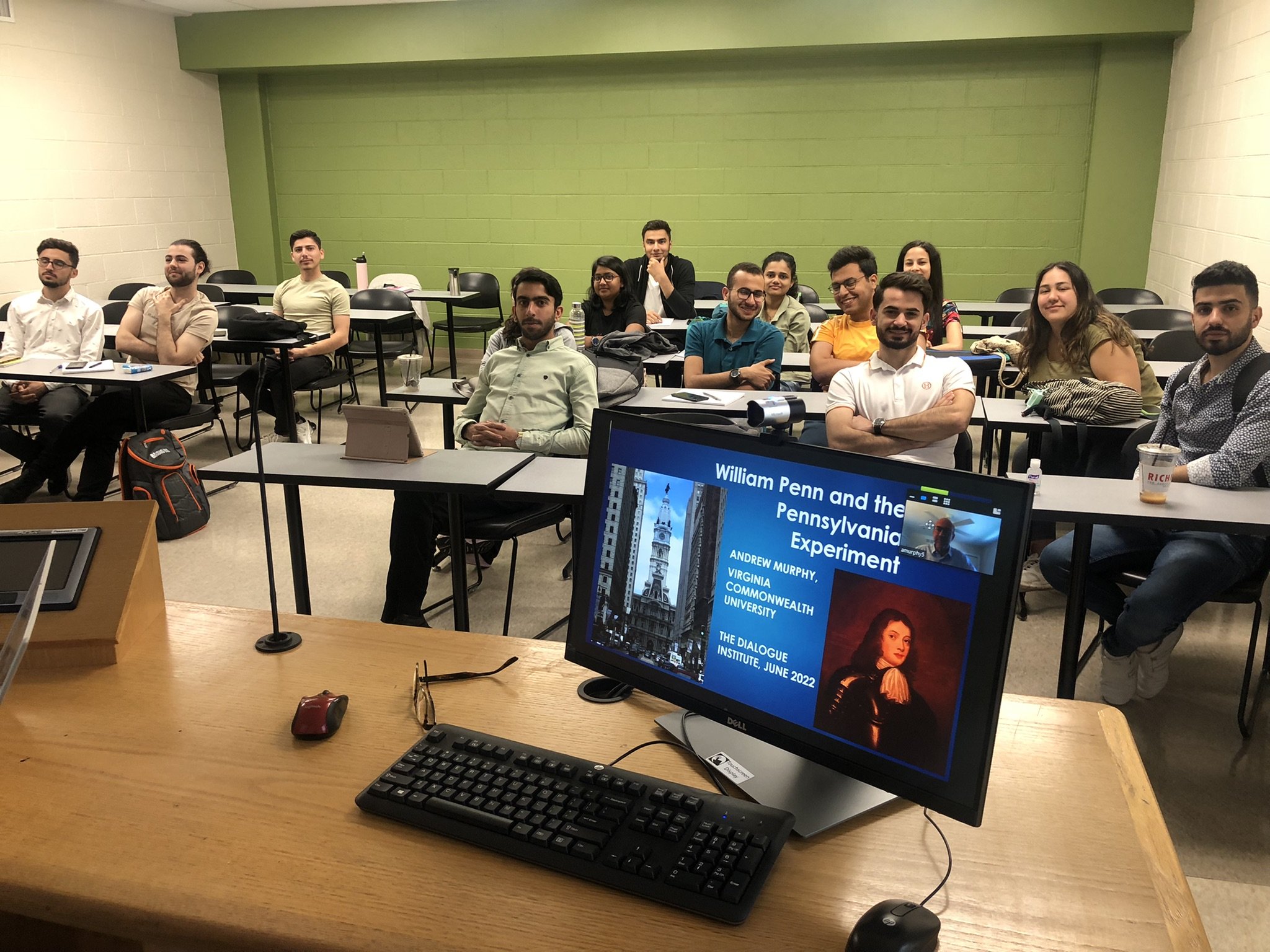
Students engaged in workshops, lectures, and team-building exercises, and were able to explore the city of Philadelphia and the mid-Atlantic region for 4.5 weeks.

Participants learned about issues of diversity, pluralism, and American culture in the Philadelphia area as well as in the greater United States. They learned from religious practitioners, law professionals, academics, civil servants, and community members throughout their visit. Our participants were able to visit Washington, D.C., Virginia, and Lancaster, PA in addition to their Philadelphia stay.
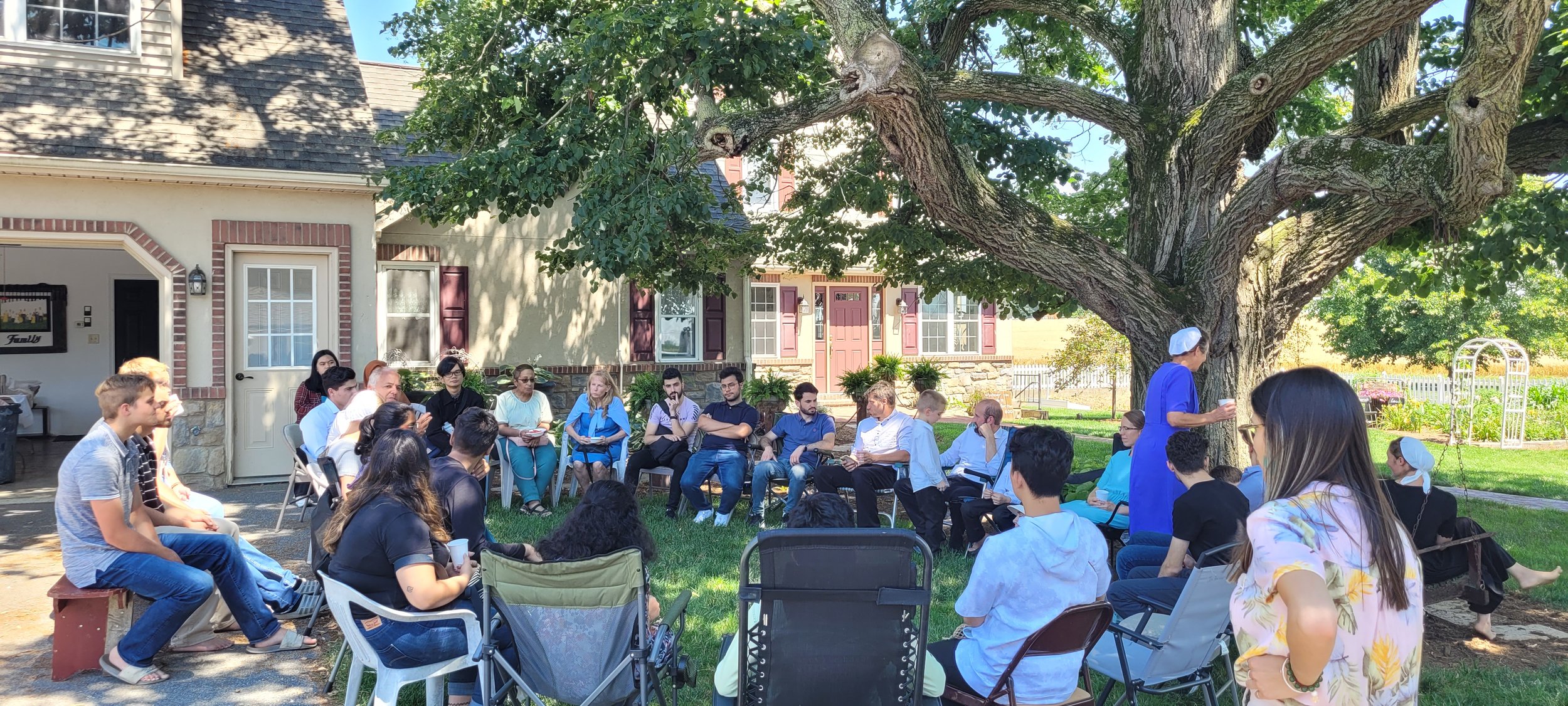
Some highlights of their program included a visit to the Amish in Lancaster, PA, celebrating Eid at the ADAMS center with DI board member Abdullah Antepli, meeting the Abrahamic house fellows in Washington, D.C., and being able to explore Philadelphia in the busy summertime. We were lucky enough to have several DI board and community members with us this summer to mentor, teach, and dialogue with our students. The DI gives a special thanks to Majid Alsayegh, Gity Banan- Etemad, Kay Yu, Nancy Krody, Dr. Rev. Mark Tyler, Abdullah Antepli, Rebecca Mays, and Sean Chambers who supported our students and made this year such a success. We also appreciate all of our volunteers and SUSI staff for all of their hard work.
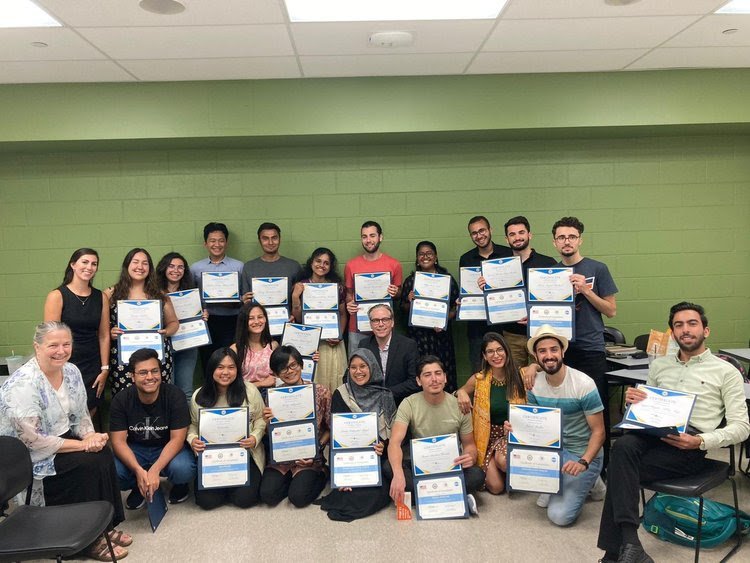

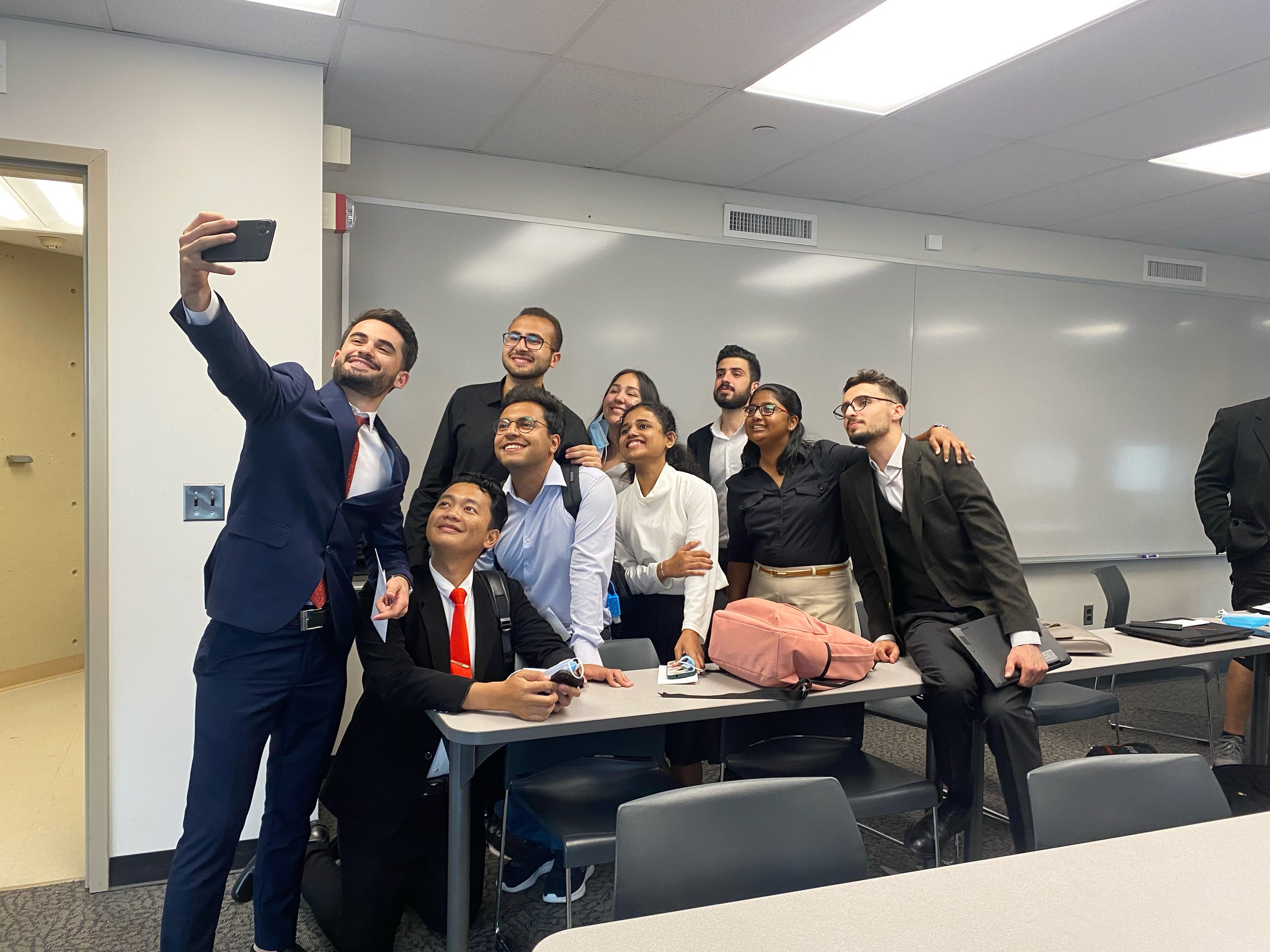
Our SUSI program closed with the students presenting their community action plans which they created during their programing. Participant community action projects ranged from integrating pluralism in their home universities to hosting workshops for their own NGOs back home. It was clear our 2022 cohort learned a lot from their SUSI experience and while we were sad to see them go back home, we are excited to see all they will do in their home communities.




Featured JES Author: Ellen Charry on Van Buren's Theology of Jewish-Christian Reality

Dr. Ellen Charry, Margaret W. Harmon Professor of Systematic Theology Emerita at Princeton Theological Seminary.
Summer issue 57.3 of the Journal of Ecumenical Studies is now available. For each issue, the Diablogue features one author and makes available a full-text version of their article for 30 days. This issue, we are featuring “Paul M. van Buren's A Theology of the Jewish-Christian Reality” by Dr. Ellen Charry, Margaret W. Harmon Professor of Systematic Theology Emerita at Princeton Theological Seminary. Dr. Charry has taught interfaith theology and historical and systematic theology. She earned her PhD from Temple University and is a former student of Prof. Leonard Swidler, co-founder of the J.E.S.
In two sentences, what is the argument of your J.E.S. article?
The argument of my JES article on my beloved mentor, Paul M. van Buren, is that he is far more radical than associating him with the “death of God” movement recognized. He never understood himself as proclaiming “the death of God,” but as recognizing that classical Greek metaphysics could not account for history that is essential for rendering Christianity understandable.
How does your article help us better understand Jewish-Christian relations?
Paul’s radicality lies in his recognition that the Jewish No to Christ is a Yes to God that Christians need to take seriously. He was the first Christian theologian not only to recognize this but to work it through Christian theology, particularly through Christology that remained a central concern throughout his career. His three-volume Theology of the Jewish-Christian Reality (1980-88) remains the premier Christian theology proposing how Christian contempt for Judaism can dissolve into companioning Judaism in its walk with God alongside Christianity.
How did you get interested in the topic?
I have engaged this topic since I was three years old. It became the intellectual core of my life struggle.
What is your next project?
My current project is Who is the Israel of God? It is a peace proposal for putting down the mutual enmity that characterizes two thousand years of the Christian-Jewish relationship.
Article Abstract:
Paul M. van Buren was the first Christian theologian to argue that the Jewish No to Jesus is a Yes to God. He offered Christians and Jews fresh ways of understanding both themselves and the other. His trilogy, A Theology of the Jewish-Christian Reality, begins by honoring God's enduring covenant with the Jews and then proceeds to identify false turns both traditions have taken in their walks with God. He called both to critical self-reflection in theological conversation with the other's identity and missteps. He turned the church from being against the Jews to being alongside them and called Jews to return to God's covenant with them in order that Christian rethinking not be theologically empty.
The full text article can be accessed via Project Muse HERE.


Malahat Veliyeva: A Dialogue Institute Interview
Malahat Veliyeva is an alumna of the Dialogue Institute’s 2019 Study of the U.S. Institutes for Scholars program. She is an Associate Professor in the Department of English Lexicology and Stylistics at the Azerbaijan University of Languages where she teaches American studies and multiculturalism. Professor Veliyeva was interviewed by Ivanessa Arostegui, a Temple University student pursuing a PhD in religious studies.
Ivanessa Arostegui: Good evening Malahat. It's evening, where you're at, and we are so, so happy that you're going to be able to spend some time with us and talk about how Islam has impacted your life and how you see it within Azerbaijan, going to talk to us about a very specific holiday, and we really appreciate your time here with us this morning. So I want to begin by having you introduce yourself.
Malahat Veliyeva: Thank you very much. I'm also delighted to talk to you this evening, it is evening in Baku good morning to you in Philadelphia, I am Malahat Veliyeva I teach American studies and multiculturalism at Azerbaijan University of Languages, I am a SUSI scholar, 2019. And I had a wonderful experience at Temple University, specifically at the Dialogue Institute with our colleagues with Len Swidler, David Krueger, and Rebecca Mays. These are wonderful people who made our SUSI journey very interesting and useful for us and more informative, educative for us.
Ivanessa Arostegui: Great. Thank you so much for introducing yourself and explaining your connection to the Dialogue Institute. We're so happy that you had a great experience here. It's probably a very different city than where you live, and you know, I'm glad that you were able to make so many connections and, hopefully, you still feel connected to the Institute and we're so happy that you're able to be here with us today.
Malahat Veliyeva: Yes, I am yes, thank you very much for the question. And I'm still connected with our colleagues at the Dialogue Institute now via email. We contact with each other, we send articles to the Journal of Ecumenical Studies, and at the same time we exchange our views on different events happening in the world, we still keep in touch with each other and also, I would like to mention very valuable ideas very valuable experience that I bought about religious pluralism and studies of American society. When I was a SUSI scholar at Temple University, we visited different states, we visited Arizona, we visited the Grand Canyon. So it was an unforgettable experience actually.
Ivanessa Arostegui: Yeah it sounds amazing because you were able to meet all these people, but also see the United States and have these very unique experiences and all of these different sites, you know historical sites and sacred sites and I'm sure that that really kind of gave you a well-rounded understanding it's- it's one thing to meet people it's another thing to go physically and see places experience and walk and yeah so wonderful Okay, so you are Muslim correct.
Malahat Veliyeva: Yes, I am.
Ivanessa Arostegui: Okay, so now we're going to transition and talk about Islam and your experience with your religion, so my first question is just how does Islam affect the way that you see the universe, or the world or other people like your perspective and your lens like how does that focus things in for you in your life.
Malahat Veliyeva: Thank you very much. Islam actually has shaped my views on the universe our planet and other people, since I realized the essence of this religion. I understand that the whole universe, including all living beings, are created by God. Everyone has a mission in this world, some people understand it, some people don't that's why we have positive and negative people, so in my understanding. And this life is a trial for everyone, according to Islam it's an examination, whether we pass or do not pass this examination will be known in the other world when we change the way we exist. You know people work they do their best to achieve something to make fortune sometimes to get some financial benefits, but when we return to God, we will not be asked how much we have accumulated how much fortune we have made, we will be asked how much we give away, so this is the essence of life, this is my philosophy of life, according to Islam.
Ivanessa Arostegui: That's beautiful yeah so it affects everything your whole complete understanding of everything in the universe and you're like you said mission, while you're here while you're alive, which is it sounds like rooted in generosity and kindness and compassion and giving right because, for you everything in the physical material world is nothing really. When we return back to God.
Malahat Veliyeva: Yes, we will all return back to God and we should all realize it and whatever surrounds us our life, the planet, universe, people, all these things are you know given for us like examination. Like trial for us in this world. So that to give a kind of report in another world about our actions about our deeds like this.
Ivanessa Arostegui: Yeah perfect, so I guess, we can segway into actions and deeds behaviors, how do you feel Islam kind of shapes the way that you make decisions in your life or how you interact with others.
Malahat Veliyeva: It has enormous impact on my life my actions, my behaviors are determined by my religious views. Also, my personality. I am a woman and a woman in Islam, should be educated in order to educate her children the future generation to educate others. A woman is not only in miserable creature deprived of her human rights under hijab as in some Muslim countries, women are very active citizens in Azerbaijani society, of course, we also have some gender problems. So in faraway regions of Azerbaijan, there are some gender problems.
Infringement of women's rights, etc, but overall in our society, women are very independent. They're everywhere they're in politics, they're in education and spheres of education, they are in business. Everywhere, and so women in our society, women should be educated everyone - everyone tries to educate, especially girls in the families, because. In the future, they might face a lot of problems, a lot of difficulties like social problems, divorce or any other problems, so that if they have a good education they might somehow support themselves support their family so.
Ivanessa Arostegui: That's wonderful yeah, I mean I think that's sometimes people have a lot of negative associations or stereotypes or ideas of other religions or other places that they're ignorant of, and unfortunately they just fill in you know the gaps or the ignorance and their knowledge by something they saw one time or an idea that they might have by somebody else that doesn't know anything about this country or this religion. But I am glad that you mentioned that it's a complicated spectrum in terms of the situation for women, but from your experience and in the cities that you grew up in and that you lived in you saw a type of Islam, where women are you know, prized within their society, as you know, very important to the family and Islam in general I think also encourages so much the search for knowledge, and so, women are also a part of that and becoming educated. And it wouldn't be fair to have that negative stereotype that sometimes comes in.
Malahat Veliyeva: Education, women's education is great priority in our society, and everyone strives for that everyone tries to give education to their daughters, especially in families with daughters, you know because I think education, Dostoevsky said that beauty will save the world, but I think education will save the world, you know, because even Islam, even to the studies of Islam, we should approach it from the point of view of you know, education. If we study Islam as it is, if we study real Islam if we investigate Qur’an we will see that it is, it is quite you know- more than religion, and there are a lot of answers to our questions there, we can find, although it was written many, many centuries ago, yeah.
Ivanessa Arostegui: Yeah, great so then my other question in relation to Islam is about religious practices that you feel might bring the community together or might build bridges of connection or communication. I don't know if you want to share some of those practices with us today.
Malahat Veliyeva: So religious practice, for example in Azerbaijan, there are two contrasting Muslim directions like Shi’ism and Sunnism and they successfully coexist in Azerbaijan and even they complete each other, like there is a tradition every Friday both Shi’is and Sunnis, they come to the mosque, and they pray together and after praying they just shake their hands greet each other, and they are very friendly with each other, you know. But what can we see in in Middle Eastern countries in other countries, so where Shi’ism and Sunnism are confronting with each other, and they are competing for leadership in Islam and so these things are. I think beyond our understanding. So these are two directions in Islam, and they should coexist together and we are all people we are all equal in front of God we are the same for God, you know, yeah and people should understand it, these religious practices. Then we have Ramadan and during the month of Ramadan. So it is fasting you know Muslims all over the world, they do fasting, and they eat at the same time, they just do the same rituals and it's somehow you know unites people all over the world, especially the Muslims all over the world. They understand what do the poor people experience what do hungry people experience and they try to be more merciful. Ramadan teaches people to understand each other to be more you know sympathetic to each other yeah and I think this this tradition, this religious practice should continue and the people, especially the Muslims all over the world, they should preserve these traditions and practices.
Ivanessa Arostegui: Yeah yeah it sounds like you believe that these practices connect - like you said, not just local Muslims or Muslims within one country but it's a whole global community of Muslims of brothers and sisters in the whole world that can come together with these practices. And that can help them connect to everyone, like you said, even people that might not be in that similar situation if they were blessed monetarily or with certain blessings within their family, they also have time to contemplate and to think of those that have less than they do. So that you really think that this is something that connects Islam, not just to the Islamic community, the global Islamic community, but to humanity to all humans and the suffering of everyone. Alright perfect so now we're going to get to a particular holiday that you're going to talk to us about so which holiday, are you going to talk to us about.
Malahat Veliyeva: I would like to talk about Eid Al Adha, it is called Gurban holiday, feast of sacrifice, yes, it is one of the grandiose holidays in the Islamic world and, as most of the important surmises of Islam Gurban, Eid Al Adha is demanded by Qur’an.This holiday is a part of Muslim pilgrimage to Mecca and the holiday of sacrifice is usually celebrated on the 10th day of the 12th month of the Muslim calendar Dhū al-Ḥijjah and this holiday, it is also a good practice for uniting Muslims all over the world, it is peculiar only to Islam. So I would like to talk a little bit about the history of this holiday it's related to the Prophet Abraham who brought his son as a sacrifice to God he wanted to kill his son as a sacrifice to God and at this moment he saw he got a message from God to cut the sheep. To cut the ship, and here we can see Islam how Islam prohibits any kind of human sacrifice how human life is valuable is important in this world, especially for God and God here recommends him to sacrifice the animal, instead of human, instead of his son. To give the holiday more respect it was determined to celebrate it once on the 10th day of Dhū al-Ḥijjah, as I said, and I would like to say some quotation from Qur’an from the Surah 5 Ayat 97: “Allah determined Bayt al-Haram, sacred house, Kabb’ah, the sacred month, tied and untied neck with and without signs on their necks, sacrifices brought to Kabb’ah to be a way to put into order the lives, religious and world affairs of the people.” It is the quotation from Qur’an about Eid Al Adha, and it is possible to bring the sacrifice for the realization of some wish and so we have different kinds of religious ceremonies. But the most important ceremony, the most essential one is cutting sheep and giving away to the poor to the needy families to hungry people and see the most interesting thing about this holiday the unique fact about this holiday is that prophet Abraham brought his son to kill as a sacrifice to Allah but Allah offered him to cut the sheep and it is, it is you know very, how to say, important message from Allah to people - so don't kill yourselves don't kill each other, because human life is very important. You know, and when people cut the sheep and give out meat and give it like gifts like mutton, it teaches people to understand that they should be helpful to each other, they should help each other in difficult situations and also if the Muslim knows that his neighbor or his relative or someone else's hungry and he shouldn't be indifferent to this, he should support them, he should help, and so this holiday this day, Eid Al Adha is like you know attribute of Muslim unity not only Muslims, so we cut sheep and we give away even to people who are not Muslims who were just people from other religions, like Christianity Jewish etc yeah. And I think it is - being merciful, being generous is very important.
Ivanessa Arostegui: Yes, great, so that is very beautiful, I grew up practicing Christianity and there's no form of animal sacrifice there's sometimes in Christianity forms of like self-sacrifice where you sacrifice maybe something that might be very dear to you let's say maybe during a particular time period, and we do something that for yourself is kind of painful like maybe you don't use your computer or your technology and that's going to hurt you a little bit because you're so used to going on your computer using your phone and so forms of self-sacrifice there isn't forms of animal sacrifice really in Christianity, but this is, this is a very unique practice in Islam and like you said ties very specifically back to Abraham who is so important within Islam and within all of the Abrahamic traditions. Is this holiday, or is this practice, do you feel that in any way it brings together a larger history for Muslims, for them to like connect with the larger history of who they are in some way, do you feel it plays that role or?
Malahat Veliyeva: You know, yes it comes from history and at the same time, Muslims all over the world, they try to. To preserve this history and to connect it with modern life to connect it with modernity, because many years have passed, many centuries have passed since Islam has been established on this planet, on our planet. So it makes you know people, especially Muslims, how to say, merciful and grateful to God.
Ivanessa Arostegui: Beautiful. Okay, and our last question about this holiday. How do you feel about practicing this particular holiday, or being a part of the Feast of the sacrifice for you or from some around the world, how do you feel that that connects Muslims to God.
Malahat Veliyeva: This story passes from generation to generation, and it is told in mosques, it is spreading on social networking sites as well. For the young generation to be well informed about it, and every year we celebrate the holiday as remembrance, to the prophet of Abraham and his son Ishmael who was saved by God let's say who was you know given us a gift to his father again like this yeah and I think it's our duty to preserve this holiday and to celebrate it every year and to pass this information from generation to generation- so our holy book Qur’an exists, and I hope it will exist forever. For future generations for humanity to learn how to live to understand the philosophy of life to understand how to become a good human, a real human being.
Ivanessa Arostegui: Yes, so important right to have these holidays, these rituals that connect to a really long line of people and ancestors that have experienced the power of God and to continue to walk in faith and to continue to preserve that history, that has been there for so long and to allow it to effect now, right the present, how you said how we decide to live with others, and what we decide to highlight and prioritize and so very beautiful, thank you so much, we really, really appreciate your time with us this morning.

Featured JES Author: Kashshaf Ghani on Piety, Dialogue, and Sufi Devotionalism
Spring issue 57.2 of the Journal of Ecumenical Studies is now available. For each issue, the Diablogue features one author and makes available a full-text version of their article for 30 days. This issue, we are featuring “Creating Space for Piety and Dialogue: North American Sufi Devotionalism” by Dr. Kashshaf Ghani, assistant professor of history at Nalanda University in Rajgir, Bihar, India. Dr. Ghani spent the summer of 2018 with the Dialogue Institute as a Study of the U.S. Institutes (SUSI) scholar studying religious pluralism in the United States. The genesis of the article began with a visit to Bawa Muhaiyaddeen Fellowship, a Sufi mosque in Philadelphia, Pennsylvania.

ABSTRACT: The following essay studies the early history of Islamic devotional tradition in the U.S. particularly through the rise of the Sufi movements. I intend to approach this study primarily from the vantage point of historical origins and development of Sufi groups in the U.S. from the late-20th century. This approach will be grounded on the perspective of Sufism as a minority faith practice and its various manifestations in the U.S – spiritual practices, devotional exercises, artistic expression, and cross-cultural dialogue. Sufism being one such manifestation, its career in the U.S. can be identified along multiple positions of ideology and practice – drawing from normative Islamic teaching and morals, following an eclectic and universalist approach, and transplantation of Sufi practices from parent societies, like South Asia and Africa. The essay will conclude by focusing on the dimension of transnationalism through the career of a South Asian Sufi master in Philadelphia – Bawa Muhaiyadeen.
The full text article can be accessed via Project Muse HERE.

The 2018 SUSI Scholars visited the Bawa Muhaiyaddeen Fellowship, a Sufi Muslim community, in the Overbrook section of Philadelphia.

Is Dialogue Still Possible Across Political Divides in the U.S.?
Thursday, March 10, 2022
7:30 PM -9:00 PM
Political polarization is greater now than it has been in decades. It has become increasingly difficult for Americans to have civil conversations about topics such as school curriculum, public health, and voting rights. What can we do to foster more compassionate, thoughtful, and honest conversations with one another about policies and issues that affect us all?
In this Zoom event, we will hear from two Pennsylvania state legislators, Rep. Jared Solomon (Democrat) and Rep. Jesse Topper (Republican), who are working to build bridges across partisan lines. They will be joined by three discussants, from a range of political views, who will help to identify the typical points of conflict in current public discourse and explore strategies for fostering sincere dialogue that moves beyond debate and political talking points.
Respondents include:
Kay Yu - Philadelphia attorney specializing in arbitration and mediation
Ann Schroeder - CEO of GlobalSource Partners, Inc.
Sean Chambers - College Director of Academic Affairs and Assistant Professor at Valley Forge Military Academy
David Krueger: Welcome again to another zoom conversation with the Dialogue Institute global community. Tonight, the Dialogue Institute is honored to engage in a conversation titled with the question: “Is dialogue across the political divide still possible?” My name is Dave Krueger and I'm the Executive Director of the Dialogue Institute here at Temple University, and we are delighted to welcome you all to this very important conversation. We have attendees today from across Pennsylvania, across the United States, and around the world. This event is being recorded, and you can view videos from previous events on our YouTube page. Sayge will be offering those links in the chat, as I mentioned them. We are tentatively planning our next Zoom dialogue event in mid-April, which will likely feature author and rabbi, Jim Rudin. We invite you to sign up for our newsletter so you can stay informed about our upcoming events. Sayge will share that link in the chat, as well. If you are new to the Dialogue Institute, and I think many of you are, I invite you to visit our website to learn more about our various programs. The Dialogue Institute at Temple has a long history, beginning with the Journal of Ecumentical Studies founded by Leonard and Arlene Swidler in 1964. One of our premier programs is the Study of the US Institutes on Religious Pluralism and Democracy, which have hosted more than 300 students and scholars since the year 2010. This program is carried out in partnership with the US Department of State. Other programs at the Dialogue Institute include dialogue and innovation programs for high school students around the globe in partnership with Citizen Diplomacy International, our historical tours program in Philadelphia featuring stories of religious and racial diversity in Philadelphia and beyond, our programs that foster black Jewish understanding and dialogue, and a fall virtual conference on dialogue, democracy, diversity, and pluralism in Africa organized by Professor Effiong Udo from Nigeria. Of course, these activities would not be possible without financial support, so we ask that you would please consider making a donation today or soon via our website so we can continue to do this important work. We invite you to make a contribution of $25, $50, or more tonight via our website and that link, as well, will show up in the chat. So, without further ado, I will turn it over to our Dialogue Institute, Chair of the board of directors, Mr. Majid Alsayegh.
Majid Alsayegh: Thank you, David, and I want to welcome all of you to this evening with the Dialogue Institute. I am an immigrant from Iraq and I came to this country as a 19 year old, and America has been good to me. I've been blessed as an immigrant beyond my wildest dreams, and I've really come to love this country and come to love the principles that it was founded upon: equality, religious pluralism, democracy. But it is a work in progress, we have a lot of work still to do to help it reach its potential. I love this country, yet I'm saddened that we live in a country divided by politics, by race, and one might even say by class. And it saddens me that so many Americans are caught up in culture wars and political battles, rather than spending their energy figuring out how to make this country a better place, a better place for all of its citizens. And many times we forget that no matter what color we may be - red, blue, or purple - we love this country. Tonight we have an opportunity to learn from a diverse group of thought leaders on dialogue across political divides.
We have two honored guests, members of the Pennsylvania House of Representatives, and we have three panelists, two of whom are board members, and I will introduce our representatives first and let them share a few pearls of wisdom with us. We have Representative Jared Solomon (D) who serves in the 202nd districts in North Philadelphia. He's a graduate of Swarthmore and Villanova law school, and he served in the army. We also have Representative Jesse Topper ( R) from the 78th district in western PA, which encompasses Bedford, Fulton and Franklin counties. Representative Topper was an eagle scout. He coached football for a number of years, and he's an accomplished musician who has performed in the tristate area. And he has a BS from Frostburg State University, so please welcome our representatives, and we'll invite them to share a few thoughts with us on this subject matter. Who would like to go first?
Representative Jesse Topper: I appreciate my good friend from Philadelphia signaling for me to go first. I just want to first of all say thank you, thank you for inviting me. I do represent the 78th district, which is a very good representation of what I would call Appalachia in Pennsylvania. It is the number one Republican district by voter registration in the Commonwealth, it's a very conservative area. And that's why I really appreciate the friendship that Jared and I have formed. Jared is from Philadelphia, a different part of the state, we come from different backgrounds, we have different ideas politically, and yet we have been able to form a very strong friendship and I think that's important, and what tonight, I hope, will show is that you don't have to be moderate necessarily in your political views to be able to have civil discourse and be good friends. I don't think anybody would consider myself, nor Jared, moderates in terms of our ideology, and yet we're able to work for common goals and a common purpose. We both, I believe, are institutionalists that care greatly about the institution in terms of the Pennsylvania House of Representatives and our state government as a whole, and I'm honored to work with him, I truly am. I say that with the greatest respect. I consider him a good friend. He's a great legislator, a very wise man, and I consider myself to have learned a lot from our conversations. I think that’s the other important thing, that no matter where we end after our discussions, I always feel that I learned something, and I think if we all take that into even some of the political discussions that get a little more controversial, I believe that we can all become better and work towards the goals of not just this Institute, but hopefully all of our goals, so thank you very much for the opportunity to be here and I'll turn it over to Jared.
Representative Jared Solomon: Thank you so much Jesse and it's great to be with all of you this evening. Jesse is a friend, and I think that core to our friendship is a belief in the institution in which we serve and also a mutual respect and curiosity. Jesse had the curiosity to come to my district, and I had the curiosity to actually see his and get to know him, get to know the people that he represents, what makes them tick, what's important to him. It wasn't just all about me, it was about the people that he serves, and I think vice versa .And I guess core to this, and I think an important part of this discussion, I don’t know, when you meet someone and it wasn't, even though we're in politics, it wasn't, the first thing Jesse and I discussed. When you meet someone usually, whether you're at dinner, you're out at a bar, your first question is not, are you a democrat or republican. At least I hope not, because socially I've got questions for you if that's how you go right into a conversation, or you a Democrat or Republican. You would not do that on a first date, or I mean, at least the second date. You would get to know a person, who they are, what they do, what their passions are, and then somewhere in the course of that conversation politics, of course, will inevitably come up, as well as other topics, the problem with Harrisburg is itt is the first date, it's the first question out of the box, it dominates everything we do from the printers we use to the places we sit on the Chamber floor to the dinners we go to, to the policy committee meetings in which we attend. It is very divided, and that's what we need to endeavor to get away from because the more that we can have these dialogues the better our Commonwealth will be.
Majid Alsayegh: Thank you Representative Solomon and Representative Topper for sharing for getting us started in the right spirit. I think you set an example for us all in how you work together on important issues. I'm going to introduce our respondents and each will introduce a topic, and which we will discuss for 15 or 20 minutes, and we have three respondents so that'll take us through the next hour or so, and encourage people to raise your hand or, if you want to put a question in the chat box, if you want to make a comment or make a point. Our first respondent is Ann Schroeder. She is the CEO of global source partners, a Wall Street research firm, and she's been a member of the board of directors of the Dialogue Institute, I think, for five or six years now and has been a real partner in this work, so welcome Ann, and Ann, you're going to introduce a topic for for us to discuss.
Ann Schroeder: I will do that. Thank you, Majid. I'm going to start off with sort of a sensitive topic here, the topic of abortion, and even though Roe v. Wade goes back to 1973, it's back in focus now in a number of states, and I did want to bring that up to our representatives and get their feedback. It seems like some of the arguments are the same: the reds view abortion as taking the life of an unborn child. They think the fetus is a person. The blues do not view the fetus as a person, but they view abortion as an economic necessity, as necessary in order to avoid the negativity and how it negatively affects the life of the mother and her family So what I would like to hear from you guys is if you can share with us how each of your sides view the situation now, and perhaps more importantly, how future policies could help address the main issues of both sides, so that we could find common ground and both sides would feel heard in this, and it would resolve some of the biggest angst that they have about the abortion issue.
Jared Solomon: Ann, thanks for that. First of all, I think you’ve got to get the mindset right, the temperature down to engage in these issues because sometimes the moment you say abortion, guns, people go to their ideological camps, and they won’t even engage in the discussion. So I think one of the interesting tactics that I’ve seen, that I liked, is when President Obama first became President in 2009, he goes to Notre Dame, and he puts out a clarion call to both sides to engage in better dialogue, to join hands in a common effort to understand both sides of the issue, not to demonize either side, and to sort of approach the issue with open minds, open hearts. I think that’s the right way to engage in the issue, and oftentimes we don’t even get to engage because we don’t take that approach. And then, once we get into that framework, I think that for me, I would hope there is common ground when it comes to providing family support, parental support, parental training for families who are in need. I think that’s where our focus needs to be, and if we could reach some common ground on that, I think we can make some policy wins for both sides.
Jesse Topper: I mean, when you bring up abortion, that is going to be an inherently emotional issue. You know, we can have disagreements on tax policy, but you’re probably not going to get as emotional about it. You know, we can have disagreements on transportation funding, but at the end of the day, you’re not going to get as emotional about it. Abortion is deeply personal because for many, it goes back to their religious beliefs, which, of course, this institute talks about, that there are varying beliefs when it comes to our religions and where we come from. When I talk about abortion, I try and go into it with this mentality: I’m not trying to put the other person on the defensive about their views, which will inevitably happen if you come out of the gate hot on a certain issue. What I try to do is I try and approach an argument from my perspective, I’m very pro-life, but I want to persuade people, and I also want to learn, as Jared said earlier, learn where they’re coming from. And so, if you put people on the defensive on an emotional issue right out of the gate by saying something inflammatory, basically accusing them of not being a good person because they see things a certain way, then you’re not going to get to learn from them, and you’re not going to have an opportunity to persuade them or even try and find some of that common ground. Sometimes with abortion, I approach it as somebody would the death penalty, which is we still have the death penalty in some cases in America, some people are for it, some people are against it, but what we all did come to agree on is that firing squads are no longer the way to go. So even on an emotional issue like the death penalty, we have come to an agreement that there are certain things that are off limits. Public hangings are no longer acceptable in America, as they were, you know, back in the old west of the frontier because we continue to move forward. And sometimes, I believe, with controversial issues such as abortion, we can reach some of that common ground. So that’s one of the things we look through with public policy. Are there areas we can make improvements? I think all of us would agree that we want to reduce the number of abortions for many reasons. So how do we get there? Is it through policy? Is it through training, as for some of the things that Jared talked about in terms of support. And so, when you rally around those ideas, but if you come out of the gate and you immediately say, well, because you believe a certain way, you’re a bad person, then you’re not going to get anywhere in that conversation. And so you have two legislators that are before you that, first of all, the fact that we can agree to talk about this issue when one is pro-life and one is pro-choice, that’s a pretty significant step in the right direction. But it’s a recognition, going into it, that are very emotional, especially, you could be talking to someone who has had an experience, whether it be with a family member or themselves, with an abortion. Maybe it was negative. Maybe there were problems that arose from it. You don’t know,always, the person’s path to get to that conversation, and so, if you come up with that in your mind and try and put yourself in another person’s shoes, I think it makes a conversation on a very controversial issue go in a better direction.
Majid Alsayegh: That's a very helpful representative Topper. I see a couple of hands, and I see you and Maryland Bradshaw do you want to go first and.
Ann Schroeder: I'll just make mine quick since I've made the opening comments, but there are certain things they're just never going to agree on. It's either you're killing a live person or not. It's either a fetus, it’s coming to life, it already has a heartbeat, it's got life, or it's just cells, so you're never going to change the minds of the sides, but how about what things are being discussed internally about what you could do so that the reds want the baby to be taken to term. Is there financial support for perhaps different adoption alternatives or childcare for the mother?
Jesse Topper: So I'll give you an example of that and I know about this issue, simply because I was the sponsor of a bill, but we were having, actually, a fairly large problem in the Commonwealth of Pennsylvania around the country that most people didn’t think about was that we would have parents, mothers specifically, and it could have been for many reasons, maybe they had mental health issues or maybe they had addiction issues that they were working through, but they were having babies and they were leaving them on steps of churches, or they were leaving them outside hospitals or police stations or fire departments. And there were several groups that had come up with actually creating what we call baby boxes or safe haven locations where there were incubators that a child could be left at, and there would be an alarm that would go off at EMS services and police stations and they could help the child and the mother who maybe didn’t want to deal with any kind of questions or was worried about potential liability issues or prosecution, it allowed for a safe space, and I think over the course of when that legislation was enacted initially - my legislation opened it up a little bit - but initially, over 2,000 babies were able to receive care and were able to get into families that were supportive, and that’s one thing that passed the General Assembly unanimously, both out of the House, the Senate, and was signed into law by a democratic governor. That might not be an abortion issue, but it is certainly a life and care issue where we’re looking to help those mothers or parents or dads who might be in crisis and help a baby who has actually been born. So that’s just an issue that I think definitely helps in terms of life issues, but it’s not directly related to the issue of abortion.
Ann Schroeder: But would it encourage the mother to take it to term? What is going to encourage the mother to not abort it?
Jesse Topper: Well, I mean, through again having services available. I wouldn’t say that legislation did that particularly. I would say that was one of those things of saying, look, we want to care for children, both inside and outside the womb, but having a support network setup, and, look, I’m someone who, quite frankly, does not always believe that the government provides the best solutions for those support networks, but making sure that we’re creating policy that has those networks up to make people feel that they do have choices, I think, is important.
Majid Alsayegh: And I think, Ann, someone made a comment in the chat group that dialogue and legislation could better occur if everyone approaches it as a whole life issue discussing, you know, from, you know, financial support for families with newborns in some way, childcare, daycare, and looking at it holistically, so that's a helpful comment. Marlyn Bradshaw?
Marlyn Bradshaw: I'm a medical professional, and I don't think that anybody stated anywhere that if you believe pro-life or pro-abortion that you are a bad person. I think the issue is that Roe v. Wade was put into effect to make abortions safe, which, if we get rid of Roe v. Wade, they're going to go back into back alleys again because it's going to be illegal. The problem is, if you think about it from a scientific point of view, if the baby can't live on its own, if the fetus can't live on its own, if you think that life starts at conception, if that fetus or embryo or whatever is put outside of the woman's body, can it live on its own without assistance? That's the meaning of life. If you can't, so if people are willing to say that they are pro-life, why don't we have legislation that says, if they want to have, if they want to sponsor pro-life arguments, then they have to take responsibility for the person who wants to get rid of their baby? I will sign something that says if you carry your baby to term, I will take responsibility for it. We have two sides to every story.
Majid Alsayegh: Well, there are, Marlyn, and you know, thank you for your opinion, and that is what we're trying to, I guess, bring to the fore, is that there are on difficult issues like this two very different opinions and beliefs that are probably not reconcilable, but is there a place where both positions can meet, where they can find common ground and actually be helpful in advancing the greater good for us.
Jesse Topper: I think it's important, Majid, to remember that even if they can't find a place to meet that there is still room for conversation and that there's still room for civility, even in understanding what you just said, which is you know, in my opinion, for instance, if, you know, anything that is quote settled laws never really settled laws, as we've as we found out in our country, that's what kind of moves the needle forward, but, but I think that's the important part is that when you have to policymakers like Jared and myself that can sit down, and we have had conversations around this issue, there very well could be areas that, even if we don't agree fully, that we understand that we can move to. And Jared, of course, feel free to chime in.
Jared Solomon: Yeah, I mean, we are going to fundamentally disagree on the underlying issue right, I believe this is a fundamental constitutional liberty and freedom that must be protected because it involves one of the most intimate health care decisions that a woman, and solely a woman, needs to make. So for me that's the starting point, but what I think, and Ann, you brought this up a moment ago, and I saw a little flurry in the chat about incentives or disincentives for having this conversation, there are no incentives to have this conversation because they don't happen. Most folks who are in government, first of all, are pretty siloed, so there is this perception that all government officials in the administration and city, state, federal government are all talking, right. This is the Dialogue Institute, so you would want a very robust dialogue around an issue like this. It does not happen. So until we get those incentives right that incentivizes subject matter experts, dialogue, debate, thoughtful conversation, you're not going to have a lot of the back and forth that Jesse and I often do that's based on mutual respect and friendship.
Majid Alsayegh: Right, and that's a point that David Hyman, a friend of the Community here, put in the chat. What are the political incentives and disincentives of collaborating with the other party? And unfortunately, too much money is raised out of demonizing the other side, rather than dialoguing with the other.
Jesse Topper: And part of that, I always say, you know, a lot of people will throw that immediately on those who are in public office. I like to think of us as public servants, at least Jard and I, some would call us politicians, but when you get into that political world, I always say, there’s a reason why negative advertising works - because it works. That’s why they use it.
And so, I’ve always said, the government is a reflection of the people. So as long as the people who are electing Jared and myself, if they begin to have better conversations, if they begin to have more civility, you will see that in your representatives. But as long as the people who continue to vote call for blood, so to speak, then that seems to be what will move those who are seeking to serve them.
Majid Alsayegh: That’s an excellent point. I think we’re going to move to the next topic, unless, Representative Solomon, do you want to make a last point before we move on?
Jared Solomon: I think we’ve got to fix, we’ve got to really focus on the incentives and the disincentives. I think that is a critical point of engagement, so that when I’m in the House of Representatives and I walk to talk to Jesse on the floor, members of my own party should not be saying, “Oh, what are you doing? Are you moving to the other side?”
Jesse Topper: This sounds like that’s happened to Jared.
Jared Solomon: And the same thing with Jesse coming to me on my side of the aisle. So you have to get the framework right, and again, on this issue, when it comes to parental support, well, paid leave, Jesse’s never to agree on that - he should, he desperately should because it is the right thing to do.
Jesse Topper: Working on it, still working on it.
Jared Solomon: Parental support, paid leave, ensuring that our childcare workers have a bump up in salary - all of these things, if we are really focused on family, we all need to get there, and these should be bipartisan touch points that we can all rally around.
Jesse Topper: And for it, it would be issues, as well, like making sure our adoptions services are where they need to be, so that these babies, when we ask them to come to term, and we do believe that life begins, you know, at conception, I think one of the things that has really transformed this issue for a younger generation that you would say, for the most part, is more socially liberal, but this issue is one that is kind of bucking that trend, and I think the reason is the development of technology, especially medical technology, where you have three and forty ultrasounds and you’re seeing what that child is sooner. And so, as those technologies develop, I think you’ll also see the conversations around this issue develop.
Majid Alsayegh: That's a good point. And I tell all of you, if you haven’t been there, go to family court on a day when they're doing adoptions. It is such a heartwarming experience to see children adopted by parents in a formal ceremony, it is. I’ve been there with the judges in family court in Philadelphia several times and it's very moving. Well, thank you all, thank you, Ann, for leading us on this topic. It’s a tough topic, but it was helpful to hear the different ways we can view it and discuss it. Next, I'm going to call on Kay Yu, who's also a member of the board of directors of the Dialogue Institute, and we've known Kay for a number of years. She’s an immigrant from Korea, and she's an accomplished attorney and legal scholar. She's served in a number of important roles in Pennsylvania, including the Chair of the Commission on human relations in Philadelphia. So, Kay, would you please share your topic and lead us into the next discussion.
Kay Yu: Thanks, Majid. I love that we share immigrant experiences, and actually, I’m going to start there because I really, truly believe that my life has been a series of miracles, and these miracles can only have happened in the United States of America, the only place where a story like mine can happen. I've lived in the United States since I was three and a half, but I was born in Seoul, Korea and, like in so many families, it’s my mom who sacrificed everything so that I am now living the American dream. When I was about 10 years old, I found deportation notices for me and my entire family. By the time I was in college, I was working hard to navigate these new immigration laws that passed in 1986, and this actually gave me the opportunity for me to become my own first client. I went to research the new immigration laws, I gathered evidence and, ultimately, I submitted an application for a permanent residency. And this whole journey is what inspired me to go to law school, and in the same year that I graduated way back in 1993, that's the year that I became a naturalized citizen of this great nation. You know, I think I first cherished my newfound right to vote because it's something that didn't come to me as a birthright. But over the decades, and with what is happening, you know, with our democratic process, it's become clearer and clearer to me that no one can afford to take our democracy for granted. And whether this democratic experiment that is the United States of America and the Commonwealth of Pennsylvania, whether this democratic experiment is going to survive depends on the people. It is we, the people, that it depends on, and so I wanted to bring this topic to our state representatives here to get their thoughts on voter turnout. Particularly in odd years where vitally important local races are decided and where that's when judicial elections happen and to find out, you know, what we need to do to engage voters and increase turnout.
Jesse Topper: Well, thank you, Kay for sharing your story with us and your experience. I think if there's a silver lining through Covid-19, and there aren’t many, but I think if there are a few, one of them is that it seemed to remove a little bit of the sense of entitlement from Americans, and what I mean by that is that a lot of things that were taken for granted were gone, and they were gone quickly. And I think that also translated a little bit into voting. You saw a little bit of a shift to say, “You know what, I didn’t maybe take this as seriously as I should have,” or, “I never saw every election day as important, but now I do because I see some of the things that I used to take for granted are different now,” and so I’m hoping that that kind of loss of that sense of entitlement gets people to realize how important the process is. And I’ve said for a long time, people always used to say, “Oh, it doesn’t matter who you vote for, just go out and vote.” Well, no, it does matter who you vote for, and when I say that I mean it matters that you take seriously not just the one day of going and finding a place to vote or now, in this case, voting by mail or by absentee. It’s more than just filling out a ballot. It’s more about educating yourself on what you’re voting for, who you’re voting for, why that’s important, what that means for your future. It’s not just as simple as saying, “Let’s have voter turnout at a high percentage.” I want people to be impassioned to actually do the tough work to find out why they're voting, who they're voting for, and why it’s important. I think one of the images that always stood out in my mind around this issue and something that I bring to this discussion whenever we talk about voting access as a legislature, I remember, shortly after the fall of Saddam Hussein in Iraq, when you saw everybody holding up the purple fingers, the Iraqis that were able to vote. And they held that up, and they were so proud, and they were doing that when there was, you know, a heavy military presence around them in a danger zone. That was truly, truly dangerous for them and their families and their lives. They were so proud, they didn’t care. They wanted to hold that finger up to show that they voted, and I remember that had a great impact on me to say we do take it for granted here. We need to make sure that we don’t. So through that line, we need to make sure, in my opinion, that our voting system is secure, that it’s accessible, and that we’re doing everything we can do. Those things are not mutually exclusive. And I know Jared agrees with me because we’ve had this conversation, and we agree with many things. Just because we want to secure our elections and make sure that they can be as secure as possible does not also mean we also want them to be as available and accessible as possible to as many people as possible, and in that I think we’ve worked through, there have been some successes legislatively, there’s also certainly been some failures, but I think as long as we continue to work toward that goal and understanding that those two things are not mutually exclusive, we’ll be in a better spot for it.
Jared Solomon: So right, Jesse, he’ll always lead with the security thing up front, right, because I think that’s the lens, right, we need those secure elections, audit provisions, and then we go on, right. But I think there’s got to be a balance here, and, Kay, thank you for sharing that beautiful story, and that needs to inspire us all to take the sacred rite of the franchise seriously, embrace it and expand it. We have the opportunity to do that in Pennsylvania, to engage as many voters as possible, not just on government terms because a lot of what we do, whether it’s in voting or just in general policy, is on government terms. You need to vote in this period of time, it doesn’t matter if you’re a single mom with two or three jobs and you can't get off, you need to fit within our nice neat rubric. That's why things like early voting, same day voter registration, making the ballot box accessible, fixing the issues with mail-in ballots, that's really going to encourage people to vote on the terms that make sense in their lives, and I think that if Jesse and I were allowed to negotiate this, we would be able to fit that balanced rubric of security and accessibility in a nice neat package, tie it with a bow, and that would ensure that more people are voting in those off cycle elections, in judicial elections, which are critically important, and we don't see enough people going to the polls.
Kay Yu: So a comment that you, Representative Topper, made made me think of something. We often think of casting a ballot, you know, going to the polls to vote as an individual act, and that might be true, the casting of the ballot itself is a decision that people should make based on their own judgment, but to your point of we need an engaged and active electorate that understands what’s on the ballot, who’s on the ballot, all of that really is a collective endeavor, you know. You should get together with people that you respect and that are thoughtful and it can be a hard thing to learn, you know, about all the candidates, again, in judicial elections, sometimes there are a lot of candidates on the ballot. It’s not something you can do on your own is research every judicial candidate, for example. So doing that, you know, as a group is a way to engage each other and have a dialogue around important issues, so I just wanted to highlight that because I think that we should think about this as a collective thing that we do with others in terms of preparing to go to cast a ballot. I did want to ask both of you two, and, jared, do you want to speak to your opinion, the election in 2020 here in Pennsylvania, do you think that it was fairly administered? There was a lot going on, there was, you know, not only was there the pandemic and mail-in voting for the first time through massive electronic forms which were frankly really welcome given the civil unrest and everything that was happening, but do you think it was fairly administered?
Jared Solomon: I want to say, on the collective point, think about it, Kay, what else do we do together as American citizens? We vote. We vote. It’s this amazing moment where we as a community come together in the march towards democracy, all in unison, all at once, whether we do it by mail-in or we do it at the polling place, but it’s a civic duty, and it sort of binds us together in this uniquely American way, so I like that point. In terms of, yes! Of course, it was fairly ministered, and here's why here's why I know this. I sat on state government committee, and we brought in election officials from really republican counties and from very liberal democratic counties, and they all said the same thing to the point where I didn't even know who the election commissioners were in the red counties and blue counties because the message was clear: we're consummate professionals, we play by the rules, we don't make up anything regarding election law, and we fairly administer our democracy, our machinery of our democracy, which exists in our county, the polling places on the ground. So yes, I think it was, and I think our election officials did a great job.
Jesse Topper: Do I believe that the person who received the most votes in Pennsylvania won? Do I believe that the election in Pennsylvania, on every, not just at the presidential level, but at every level, was decided correctly? Yes. I am not, however, as enthusiastic in terms of how that came about as my good from friend Philadelphia because there were issues due to the fact that the legislature passed Act 77, and several of the parts of Act 77 were changed by the Pennsylvania Supreme Court and modified by the Secretary of State without legislative approval created a process issue for me. So one of the issues that I will bring up is that counties were instructed, were given different instructions, on how to quote cure a ballot. Some counties, if a mail-in ballot came in that had a problem with it, they threw them out. Some counties, when a problem came in with a mail-in ballot, they contacted the individual that sent the ballot and said, “Look, you can come down here and change it because we see there’s a problem. We’re not exactly sure where the mark was supposed to be.” So that’s an example that happened in multiple counties, including one of the counties that I represented, where some of the townships did it one way and did it the other way because the Secretary of State, less than 24 hours before the election, gave contradictory advice or counsel as to what was in Act 77. That’s a problem. Now, I don’t believe that changes the outcome of the election, so, therefore, again, your questions is, was the election without, if your question is was the election without problems, then no, because we did have a legislative process, a bill that was signed into law by a bipartisan process, which is not, you know, I will say that many on both sides that voted for Act 77 that the governor signed into law, but that was not what was instituted on Election Day, and that’s what gave many people on my side of the aisle particularly concerns about how it was administered. And, of course, the Secretary of the Commonwealth later resigned over a different issue, but I think that was a failing of the administration, and I think that was an issue that I have. Now, look, Representative Solomon and I have a little bit of a different interpretation sometimes of judicial discretion when it comes to the Supreme Court at every level, and that’s something that he and I have debated before. I’m very, very adamant that judges should not be making law from the bench. I think that their role is to simply interpret what those of us who are in the legislature put out in terms of a bill or legislation or what the governor signs and becomes an act, but again, that's one of those discussions that many of us have in terms of around politics, but I believe the outcome was correct. I do believe there were problems with the process, and now it's incumbent upon Jared and I to be part of the solution to make sure that everybody has a feeling of not only was the outcome correct, but the things are being administered, and look, by the way, when I go back to the curation of ballots issue, I don't believe anybody was acting, certainly in the counties that I represent, Fulton county, where this was an issue, nobody was acting in bad faith. They just simply had conflicting information, so it was nobody's fault on the ground. It was just simply a matter of we need to make sure that we're following the letter of the law and not allowing things to be changed at the last minute.
Majid Alsayegh: So, Representative Topper and Representative Solomon, we're getting towards the end of this time period for this question, but before we end, and this might take us a bit over time, Ryan [name] makes a point about, a concern about the 2020 election and January 6th and the violence that occurred. And that still seems to be a major issue. Well, it's in the courts, obviously, it's in Congress, but there still is a lot of support for that movement of stopping the steel, supposedly. Would you please share a few comments about your thoughts on the impact of January 6th on the American psyche and democracy.
Jared Solomon: There is, I think, a need to begin to redefine, reframe, re-envision what it means to be part of a party, a loyalist to a party, and I think that we need to break away from the politics of devotion to personality and more to the politics of principle and integrity, and we've got, sometimes we get away from that, and we have not sometimes been able to put out a clarion call to be really clear, when things are black and white, to simply call them what they are, whether you are a republican or democrat, and we all saw what happened on January 6th. We all need to be clear in articulating that on both sides of the aisle.
Jesse Topper: January 6th was a sad day for me, I can remember where I was, actually, when it was happening. I was driving to one of my very good friends’ viewings, a fellow legislator, both Jared and myself, Mike Reese, who was one of my best friends, who had passed away on January 2nd. And I remember I was driving, I was listening to the radio and hearing what was going on, and look, I'm a law and order guy, and when you break the law, there are consequences to that, and I am not an advocate for civil unrest, I'm not an advocate for rioting, looting of any sort, for any reason. I believe we have laws in place for a reason. And so that's what troubled me. In terms of what led up to January 6th, I think we have to understand the group and a very, very large part of America, and I think they're on both sides of the political spectrum that have felt forgotten, that have felt ignored, that were angry. All of it was going on, not just with the election but the country and the cultural divide in and of itself. And I think you saw January 6th as being one of the culminations of that, and that's why we need to do what we're doing now. That's why it's important, if we want to see to the question of what impact did that have on democracy, well, I hope, it has a positive one because I hope it helps us realize that what brought us to that point must not happen again. Part of that is working collaboratively to ensure and have, no matter who wins an election, that people feel that it was administered fairly, and that's part of what Jared and I need to do in terms of legislation, but it's also part of what our conversation needs to be collectively and as a group. To ensure that things like that never happen again, we have to do what we’re doing now and tone down the anger that has come and that, again, was not just over the election of 2020, it was built up to it. We were in the midst of a pandemic that divided families, ideas of mandates, ideas of vaccines, ideas of business wavers, that truly some, I mean, I think all of us know friends and families who no longer speak to each other over the years and the civil unrest that was in our cities at the time, so there was a lot that built up to that. We need to understand that, we need to absorb it, and we need to see the mistakes from it and the terrible things that happened because of it, and then we need to change it, and we need to change the discussion, and I think that will improve our democracy, moving forward.
Majid Alsayegh: Thank you for those comments from both of you on this. Very, very helpful, I think, to our group to understand how to move forward in a better way .And thank you, Kay Yu, for leading this part of the session. Much appreciated. Next, we are honored to have Sean Chambers to talk to us about the next topic. He’s a professor of English at the Valley Forge Military Academy, and he’s the director of academic affairs there. Sean, it’s all yours.
Sean Chambers: Thanks. This is a fantastic conversation. I’m honored to be here, and I’m so glad that we're having this in Pennsylvania. You know, I think about what's been said so far and what is missing from the conversation, and so talking about education is really important. I’m glad I can bring that voice to the conversation. When I think about the abortion issue and education, I really think a lot about a thing that hasn't been said, which is how to educate boys. We're talking a lot about this and we're not talking about boys and abstinence, boys and behavior, boys learning to put peer pressure on their boys about how they behave, and I sure wish politicians would talk more about guys in this conversation, and in terms of the law, I really appreciate what everyone's been sharing about getting everyone active, getting everyone voting, having integrity, I heard having principles. What I didn't hear was compromise. I wish more politicians would talk about not making deals in cynical ways, but compromise, and so those things make me think about us talking. I think we all need to be teachers and better teachers. Lawyers need to be better teachers. Politicians need to be better teachers, and teachers need to be better teachers. Our partnership with the Citizens Diplomacy Institute and the Dialogue Institute, you know, we guide young people to have conversations, and I'm going to ask you to about talking with each other. We have Russian kids and Middle Eastern kids and Philadelphia kids and kids from other states talking with one another and talking about how to talk with one another, you know. We talk about learning to talk with your head, your heart, and your hands, and we talk about this being an opportunity to learn from people around the world, so I want to first - I got two questions, I'll get to the critical race theory question in a second - but first, I just want to hear from you two about how you approach talking to each other. The wonderful thing that made me excited about this conversation is the notion that you two are legit friends, and when you sit down to talk to each other, I'm sure there are some conversations you have that aren't for the public to hear because you might be saying something your constituents or the people in your party really don't want you to say. How do you all approach talking to one another as friends, even though you are elected officials of these different parties?
Jesse Topper: Well, as most guys do as good friends, we make fun of each other a lot, so I think that that helps. Look, I think Jared and I both have, we approach this job, the same.
We don't take ourselves too seriously, but we take the job very seriously, and when you approach this job in that way, that's one of the first things that I think bonded us together is that we both take what we do extremely seriously, but we also know that there's many other people other than the two of us that can do it. Jared is a very humble man. That's what I appreciate about him. The tough thing about this business, Sean, is that there's 203 members of the House of Representatives, which means you have 203 quarterbacks of their football teams. In other words, you have 203 members who back home were kind of the king of their fight, but then, when they come down to Harrisburg, they're not. You have to work collaboratively with, even within members of your own party, to get anything done. Jared is someone who understands that. I believe I do as well, and so that's really what bonded us together, and so when you have that initial, call it political attraction, that somebody sees this job, the same way you do that, that can make all kinds of conversations so much easier.
Jared Solomon: Yes, I agree, I agree, Jesse, with what you just said. It's just, I like being around Jesse, we're friends, and from that friendship, we can talk about issues and then work constructively, substantively like we are. We have this group, this PA 1 Caucus, eight democrats, eight Republicans, talking and working towards and being successful in implementing institutional reforms, and now we're moving over on to some rules, reforms to make the institution work better. I mean, there are some people in the legislature that go to lunch, talk on the phone. I don't want to do that. I don't even want to spend five minutes with some folks, so that's not going to be a person that we're going to dialogue together, have a relationship and work together, so it's gotta start with that relationship, and Sean, what I would say, and one of the biggest problems is not our politics, it's that people do not form relationships because folks don't want to put in the time to do what Jesse and I are doing. It takes time. Relationships in life take time. You're talking about, Sean, mentoring boys that's hard work. I coach the youth basketball team, and the minute I didn't show up to two practices, one of the young kids came up to me and he said, “Coach, I thought you forgot about us.” That relationship meant the world to those young kids, and I really needed to understand how important my role was. So, the relationships are key. You get the relationships right, you're going to get the policy right. You're going to get the institution firing on all cylinders. Once the relationships break down, the whole place is going to go up in flames because you don't have that foundational element.
Jesse Topper: The fact that Jared coaches ann athletic sport concerns me greatly.
Jared Solomon: Don't tell the kids that I used to YouTube the practice tips before I went to practice. That's just between all of us on this Zoom call.
Sean Chambers: Got it, got it. I appreciate what both of you all share because it makes me think of the first President George Bush talking about there needing to be a big tent in the Republican Party, Bill Clinton talking about there needing be a third way instead of just us talking about one way or another way, a democrat or republican way, there needs to be a third way thinking, and Obama talked about there not being blue states and red states, this notion of reds and blues, us needing to push back on that and talk about other things we can describe ourselves with as we have these relationships. So in terms of the notion of education and raising awareness of concerns of African American students and families, this label of critical race theory has gotten brought into the discourse. It is a miss label, to my mind. It is something Derek Bell taught at law school in the Ivy league's. It is something that you might learn about in a philosophy class in college. It is not something that anyone teaches in K-12, and so it's a mislabeling of efforts people are actually making, and now there are various states trying to create bills to ban this from being taught, and it's disappointing to me because that suggests people aren't having the integrity that I would hope for, or operating on the principles I would hope for, or just simply learning what they're talking about. You know, in Philadelphia in the late 60s, students marched to get black history taught in schools, all right. That's also something that has inspired people in decades later to do this in colleges as well, and where I'm going is to the question of, however many African American constituents, you have in your district, if the number of people in your district is a minority, and they pay taxes, and they have a particular interest in their children being taught something because they're paying taxes, funding public schools and education, how is it that you do come to compromise about what is infused into curriculums, what's allowed and curriculums because if you don't consider the interest of minorities, not racial minorities, but just numerical minorities, then I'm not sure you're representing the state as best you can. You two collaborating with each other, others in the different parties, negotiating with each other to come up with something so that everyone feels like they got something is really important. What are your, what are your thoughts about representing minorities, and again, I don't know the exact racial makeup of both of your districts, but I do know somebody is the minority where you represent, and some, and they all pay taxes, and they all want their schools to serve them. So where does that take you, this notion of making sure you're representing and negotiating so that everyone is represented, you know. It's quote unquote we, the people.
Jesse Topper: I’ll go first in this discussion. I’m sure we'll go back and forth. I represent a predominantly, very predominantly white poor rural Appalachian area, that is, that is what I represent, so you know I'm not in the suburbs, there are no, you know, gated communities and, interestingly, I'll say this: one of the things that we're finding in the legislature is that poor rural Appalachia and urban centers have a lot more in common than the suburbs. Our schools are struggling in similar ways, maybe not the exact same issues, right, our poverty levels are certain ways. So interestingly, it's a break, not always a breakdown of race, but sometimes a breakdown of location and geography when you're dealing with some of the same issues. So I'll put that out there in terms of giving you a little bit of a feel for my district. My district is very large. I represent ten public school districts, which is, you know, a lot more than than most would represent, and I think the answer really can be found in my own personal educational background. I was homeschooled, but my parents also, I was able to participate with our public school, take classes, courses, and also participate in extracurriculars. My dad was a public school teacher for over thirty years, then went on to teach at a community college. But what they were able to do, they were able to piece together an education that fit me the best and fit our family the best, and the more we provide those opportunities to all, I believe the more we will see our kids thrive from every background. And to speak to what you said, Sean, about how we make sure everyone's represented, well, we give people choice. We make sure they're not married to a school district simply because of their zip code. And when you start to expand choice, in my opinion, that is when you start to get the diversity that you seek. In terms of the school district that my kids attend, for instance, they could name every African American kid that is in the district because there's only a few of them right. So that's where I'm coming from, but I think expanding educational choice and making sure this is not just choice, it's quality choice, which means improving our traditional public K-12, which means ensuring that our charters and our cyber charters are operating at a high standard, which means ensuring that our laws accommodate for those who wish to homeschool. I think if we do that, that's the first step in terms of specifically addressing the curriculum aspect. Again, a silver lining, in my opinion, of Covid was the fact that now parents have become more involved in their children's education than ever before. Why? Because we all became teachers for a while. You know, our kids were all of a sudden learning at home and then, look, I found out very quickly how much I don't know seventh grade pre-algebra anymore, right, like I’m as lost as anybody. And so, when you start to see parents engaging in a new way, there's gonna be, there's gonna be some friction because, for many years, parents have been, in my opinion, far too disengaged in what their children are learning. Now all of a sudden that they're hyper engaged, there's gonna be a little tension, there's going to be friction, there's going to be things that come up with curriculum that says, why are my kids learning this, you know, I didn't learn this back then, or why is this being taught and now we have to start working with that. I think that's a good conversation to have. It's not always going to be clean, it's not always going to be smooth, but I think it's a conversation that we need to have now that more parents, grandparents, and guardians are actually engaged in what their kids and their students are learning in school.
Majid Alsayegh: So, Jesse, just a quick comment. I chair the board of Delaware Valley University in Doylestown, and one of the things I learned when I joined the board seven or eight years ago that surprised me was that students who are homeschooled that come into college are much better prepared for college than those who are, you know, educate the public schools, I did not know that.
Jesse Topper: Well, it’s remarkable that I can tie my shoes and speak at the same time, but somehow we’ve been able to do it. But again, people ask me all the time, I don’t homeschool my two boys. Homeschooling is not for everybody, but it does need to be a possibility for those who it would fit best.
Jared Solomon: So, Sean, did you want me to go?
Sean Chambers: Yes, please.
Jared Solomon: Sure. So I think, just on the critical race theory part, I think there's a failure to understand exactly what critical race theory is, and everyone's just talking about it, and no one really comprehends what it is, so I mean my understanding, critical race theory is a framework to analyze systems, structures, and it basically helps us navigate relationships and understand racism. Now, if we start there, then we can engage because I think that's a working definition and, by the way, the majority of schools are not teaching critical race theory. I learned critical race theory at Swarthmore College and then really delved in, actually, in law school. And the purpose, of course, was to wait until, I think, I was older and had a better understanding of how I could comprehend some of these, which are really complex concepts. So this idea that this is in all our schools doesn't really reflect the reality of what we're seeing in our Commonwealth. Now in terms of racism and representing minority communities, I represent the most diverse community in the whole Commonwealth, so when it comes to issues that black and brown people deal with, I hope, as a white guy that I’m doing, coming up with an approach that's workable. So let me tell you what I try and do, especially when it comes to addressing issues of racism. So one of the things, I think I have a responsibility that, as someone who grew up single mom in northeast Philadelphia, I was able because I had a hard-charging mom who invested so much in me to be able to achieve really great things and have so many opportunities, what I think I need to understand is that in that same environment raised by another single mom in northeast Philadelphia, if that child same age as me had been an African American kid in the schools, the same schools that I was going to, the outcomes might be very different, and I need to be able to comprehend that and express that and dialogue about that. I would say, Sean,number two, I have a community obligation here. So there were tensions in the city of Philadelphia around policing and youth in the neighborhood, and actually Jesse came out to what was the culmination of a youth group in my neighborhood formed by black youth in my community and the police who began dialogues in northeast Philadelphia to better navigate what had been culturally really charged difficult issues. Thirdly, I think I've got a role as a legislator. I got to go into the legislative process and deal with issues of criminal justice reform, policing, that need to be addressed, and I think those sort of three points are the way I try and navigate these issues in my community.
Sean Chambers: I appreciate your answers, both of you, very much. I wonder, last thing I'll ask is just, how do you exert peer pressure in the legislature, in your own parties, to get others in your own parties to do what you two do, which is to talk to others across the political divide, whether it's about race, whether it's about representation, whether it's about the other issues that have been raised, or something else.
Jesse Topper: First thing, Sean, you get them to do it in person. Social media, I think, is one of the problems that we have, and I'm not going to say that there aren’t forms of social media that have helped us to do great things. I'm not going to just paint it all with one brush, but I will say that the conversations that take place, and look, I see it, with two teenage boys, you know, they can be very toxic, and unfortunately, it's very easy to think you can get a political zinger in or any kind of a cultural zinger in on social media and have it not have repercussions, but it does. It does have consequences. When you can get people, instead of talking in press releases and instead of talking in social media and Twitter soundbites, when you can get them to actually talk to somebody face to face, the tone is completely different. And so what we need to do, we need to put more people in a room from both ideologies. Look, again, we're not talking about two people here who are friends because we're moderate in our views. I think everybody's hearing that tonight. It's not just, well, look we happen to agree because I’m a pro-choice Republican and he's a pro-business Democrat, no. Of course he’s not a pro-business democrat - I’m just kidding, Jared - but we’ve been able to come together because we do see some common goals, and I’ll say one of the things that we can also do, I think this goes to why so many people get immediately defensive when it comes to something like CRT, is because they’re concerned about getting caught in the new cancel culture, or the new idea of wokeness that you’re afraid to say anything because, at the end of the day, you could be perceived a certain way. I think if on both sides we become less fearful of that and understand that there are differences and that we can learn from that instead of being always punished for it, I think that’s another key. I think Jared and I feel very comfortable talking to one another, but we also feel comfortable talking to one another’s constituents. Jared came to Bedford, I’ve gone to Philly, and I feel comfortable that when we’re together, we can have these conversations without that fear of saying, well, if you say the wrong thing the wrong way, instead of somebody saying, well, he might not know or he doesn’t understand, or he doesn’t see how that translates here, and it’s immediately that I will destroy your life and destroy your career, I think that we have more comfort talking about these difficult issues.
Jared Solomon: Yeah, Jesse, and I think that, Sean, the way you do it is you built it, you just sort of build it into the DNA of the place, meaning that there needs to be a program where Jesse’s staff and my staff switch offices for a few days and learn what it is to be in Bedford and what it is to represent Philadelphia, right, that’s one thing that needs to get done.There needs to be encouragement from all sides that when we’re out of session, there needs to be dialogue and discussion socially, people get to know one another, and that can be simply, simply, very simply done just calling members together for a happy hour that you don’t have to, it’s not a Democratic happy hour or a Republican happy hour, it's just people getting together, enjoying one another’s company. There are really simple, simple first steps, but they would go a long way to changing the culture of our institution.
Majid Alsayegh: Thank you, thank you, Jared. So, with that, I thank Sean Chambers for taking the lead on this topic, and I think we’ve all learned something from this discussion. I’m going to turn it back to Dr. Dave Krueger. I think, Dave, you’re going to lead us a little bit in a discussion around dialogue principles.
Dave Krueger: Thanks, Majid. I just wanted to share one resource from our website, the dialogue principles. As I’ve been hearing the conversation, I’ve been hearing us all engage in many of these types of principles along the way. One thing that I think stood out to me was principle #8, where I think, Jared and Jesse, you both talked about the importance of building, “dialogue is built on the basis of building mutual trust,” building that relationship and building that connection, and just affirming that as a really important critical piece of developing a foundation for dialogue. One of the first principles that we have is this notion of the purpose of dialogue is to be willing to be in a position of being able to learn from the other. So a question that I would have, just one question, tying to our principles for Jared and Jesse as we transition back to Majid’s kind of closing, bringing us together, I’m just curious, Jare and Jesse, as you've been dialoguing, engaging in conversations with one another, how have you maybe been led to reevaluate your own positions. Our dialogue principles have been kind of forged in this inter-religious dialogue, Muslims and Christians, Jews and Christians, secular humanists and Buddhists, between these different types of traditions and how people kind of like learn and have a new perspective gained on their own perspective, so Jared and Jesse, could you share, maybe, an example of how either of you have been shaped by your relationship with the other?
Jared Solomon: Oh, sorry, I was just thinking of the last question. Another thing that, in terms of what we need to do, is we need to change the seating chart in the House. All Democrats need not sit with all Democrats. All Republicans need not sit with all Republicans. It should be R-D-R-D-R-D. It’s not, sort of, fifth grade most popular kid in the class, you can’t sit with whoever you want, it’s just unfortunate. What have I learned? I’ve learned so much. So, it’s issue-based, I would say, first, I learned from Jesse, right. We disagreed on almost everything tonight, but one of the things we didn’t talk about is on environmental justice issues. We do not agree on those issues, but what Jesse can explain to me is he can explain to me the position of folks in his district, what the natural gas industry means to people in Bedford, what it means to people in the T-region of the Commonwealth, that it means jobs, family-sustaining jobs, and while I don’t agree with the legislative outcomes, I opened myself up to at least understanding where he’s coming from. The other thing, it’s strengthened, I think, our relationship, that I no longer, and I think Jesse alluded to this, when I first got into legislature, I thought the only way to bring people together is if Jesse became more like a democrat, and that somehow I would keep pushing my political viewpoint, that he would move my way and eventually say, you know what, you’re right, I’m in the wrong party. That’s not what democracy is about, so what I’ve learned from Jesse is I want Jesse to be the very best Republican he is, strengthen him, hsi values, and then come to the debate, clash on the issues, and find those magical moments where we can find the sweet spot of compromise to bring folks together, and that’s where politics and governance works, and that’s where people want us to go.
Jesse Topper: And I'm going to use that word compromise as well, Sean. The way you said compromise, that is truly compromise, where you're not compromising your principles, you're not compromising your integrity, you're not compromising your character. What you're compromising on is policy and what can get done to advance the Commonwealth. We've had to do that with, for instance, with split government, where you have a Republican majority in the legislature, but you have a Democratic governor. There are those on my side of the aisle, even though we are in the majority, who simply choose to vote no on everything, because if the governor is going to sign it, then it's not what we wanted, it's not everything that we saw, and I say, if you ask me what I've learned most, from Jared and from this process, is that I'm not a dictator, and that's a good thing. Not everything that happens, not even everything I vote for, is 100% what I would want to see, but I’ve learned through discussions with Jared what I can do to make sure that the ball still gets moved in the correct direction, and I think one of those examples is how the government operates. When I came in as a firebrand, you know, conservative, I thought everything, you know, we need to run government like a business, I remember saying that even in my first campaign. Well, that's not going to happen, nor should it. Government can't operate like a business. It must operate in a different way. That's something I've learned. And that's something that, you know, Jared has, also our relationship has, showed is that there are ways to make government work like good government. It doesn't have to work like something that I pictured. We can make government into something that works for the people, not the other way around. And I really, really appreciate the fact that we can dialogue on the size and scope of government, even when we disagree. There are many things that we can agree on, for instance, some of the victories I'll just say that we've been able to achieve for this group, we've been able to look at ways to combine, for instance, the Republican and Democratic print shops to become one print shop, to take our messenger services to become one messenger service, to hopefully move to see that it doesn't always have to be about one side or the other, but for the institution, we can save taxpayer dollars, we can become more efficient, and maybe, just maybe, some of those moves will also begin to change the hearts and minds of some of our colleagues who don't see the job the same way we do and don't see the idea of building relationships as important as we do. So those are some of the victories that I think we're able to achieve in the institution and I'm happy to do it. I enjoy it. It’s made me, look, I will say this, these past two years have been some of the most trying of any of our lives. Certainly, you know, for Jared and I think we're still relatively considered young people, I'm 40, Jared looks like he's 26, I'm not exactly sure how old he is, but these have been difficult times. And so from seeing the growth of that in some of us, I think it's caused us to maybe adjust our priorities a bit, think about what is truly important, and one of those important things is relationships, friendships, and that can transcend politics and should many times, and I think that makes better public policy in the long run, and so that's why I'm happy to be here during this time, even though there are a lot of nights when Jared and I both wonder why we're doing what we're doing and how difficult it is. But I think it's worth the effort, and nights like this make me realize why, so I appreciate the opportunity and, again, appreciate working with Jared in the House.
Majid Alsayegh: Representative Topper, I was trying to count how many times you said I learned, I learned, I learned. And that is what we hope comes out of dialogue is learning from the other. Our founder, Dr. Len Swidler, who's been doing this work for, I don't know 70 years, he turned 93 this year. He has a favorite quote that I think we all repeat, time and again, is that nobody knows everything about anything, and I find when I am with someone who is of a different faith or a different political party, if I really want to learn something I need to take the time to listen, understand where they're coming from, put myself in their shoes, and I come away a better person for it, so I think you both, Representative Solomon and Representative topper, kind of did exactly what we were hoping to see tonight, really demonstrating how to exemplify your principles without compromising your integrity or your principles, so we thank you for that, for the time you've given us tonight. I thank Sean Chambers, Ann Schroeder, Kay Yu, and, of course, the Dialogue staff for all the good work that they do. They are the ones that do all the work to put this together. And for all of our attendees, we thank you for joining us. We hope this was interesting to you. Drop us a note, let us know, you know, what you might think you might want to hear about next. We're anxious to do more of these, but we want to do them, we want to respect the audience. We want to do it in a way that is of interest to you. We promised we'd be done by nine o'clock. It's not quite there yet, so, Dave, do you have anything to share before we bring our evening to a close?
David Krueger: Thank you all for attending this event tonight. This was a little bit of a new experiment for us to move into the area of political dialogue after building on our cultural and religious dialogue work over the decades. We're really grateful that you all participated tonight. Please sign up for our newsletter. We'd like to be in touch with you to share about future events that we host. So my heart is full, and I feel really inspired about seeing how dialogue can be modeled in a constructive way, and hopefully it was done, and certainly was done in such a way that we expressed our desires, our hopes, with honesty. So, thank you all.
Majid Alsayegh: I see Ann has a comment.
Ann Schroeder: No, I just, Dave, from the audience participating, if they sign up to get on our newsletter, can they just send back to you if they have ideas on future events, like specific topics we could go into? Is that how you prefer them to do it?
David Krueger: Please do, yes, I can drop my email address in the chat box here. Ann or Majid, you're welcome to do the same thing. If you'd like to reach out to us directly with suggestions for topics, tweaking the format, different approaches, we're very open to learn from you and engaging in dialogue from you about how best to do dialogue.
SARA O'CONNOR: Could I speak up? May I speak up?
Majid Alsayegh: Yes, please.
SARA O'CONNOR: I just tuned in, I got an email, and my husband and I joined the Dialogue way, way back with Len Swidler, who is a dear, dear friend of ours, back in Pennsylvania. I am now in Port Angeles, Washington, and my husband has passed away. His name was John A. O’Connor, and he wrote several books that you folks maybe have heard of, but anyway, this is a new thing for me, and this is wonderful. How often do you meet by Zoom?
Majid Alsayegh: Well, Sarah we've only done a few of these, so we started doing them during Covid, but we wanted to continue to do this because we actually have graduates of the Dialogue Institute around the world, three or four hundred in seventy different countries, and we had a few tonight from other parts of the world. So we will do more of these. Let us know what you're interested in discussing, and we'll try to keep it interesting.
Sara O'Connor: Well, good. Whoever sent me the email, I say thank you, I very much appreciate it. I hope to join it again, thank you.
Majid Alsayegh: Thank you so much. It is 8:59 on the east coast, so with that, I wish you all a good evening, and thank you for joining us.
David Krueger: Thank you so much. We'll be sending a link with the video as soon as it's posted, and we'll eventually post a transcript of tonight's conversation, as well, so thank you again.
Ann Schroeder: Have a good night.

A Holocaust Survivor’s Vision for Interfaith Peace: A Conversation with Harold Kasimow
The Dialogue Institute hosted a Zoom conversation with holocaust survivor Dr. Harold Kasimow regarding his most recent book, Love or Perish: A Holocaust Survivor’s Vision for Interfaith Peace. Dr. Kasimow received a bachelor’s from the Jewish Theological Seminary before he came to Temple University, where he worked on a master’s and a PhD in Religious Studies, and has dedicated his life to fostering a community of love and respect through interreligious dialogue. His latest book is a continuation of his work in the field of interreligious dialogue, where; he shares his Holocaust experiences, explains the friendship that developed between his mentor Rabbi Abraham Joshua Heschel and Civil Rights leader Dr. Martin Luther King, Jr., compares and contrasts how Rabbis and scholars of Jewish Studies view the Holocaust, and provides a place for interfaith dialogue among four of the largest world religions.
Event Transcript
Andi Laudisio: I want to welcome you to another zoom conversation with the Dialogue Institute community. Today, we are honored to engage in conversation with Professor Harold Kasimow, regarding his most recent book, Love or Perish: A Holocaust Survivor’s Vision for Interfaith Peace. Dr. Kasimow has dedicated his life to fostering a community of love and respect through interreligious dialogue. His latest book is a continuation of his work in the field of interreligious dialogue, where he shares his Holocaust experiences, he explains the friendship that developed between his mentor, Rabbi Abraham Joshua Herschel and civil rights leader Dr. Martin Luther King, Jr. He also compares and contrasts how rabbis and scholars of Jewish Studies view the Holocaust, and provides a place for interfaith dialogue among four of the world's largest religions. I'm now going to turn it over to Dr. David Krueger who will say a few words about the Dialogue Institute. Thank you.
David Krueger: Welcome, everyone, I'm the Executive Director of the Dialogue Institute. We are delighted to welcome you all to this important conversation. We have almost 100 people who registered for this event, and they span the globe, all the way from California to Cambodia. You can view videos from previous events on our YouTube page and Sayge Martin will share our YouTube page link in the chat. Our next zoom dialogue event is scheduled for March 10, and the title is, “Is dialogue still possible across political divides in the United States?,” and a registration link will also be made available in the chat. If you are new to the Dialogue Institute, I would like to invite you to visit our website to learn more about our various programs, which include; our study of the US Institutes on religious pluralism, in partnership with the US Department of State, our dialogue and innovation programs for high school students around the globe, our historical tours program featuring stories of religious pluralism in Philadelphia and beyond, our programs that foster black Jewish understanding and dialogue, and a fall virtual conference on dialogue, democracy and pluralism and Africa organized by Dr. Effiong Udo from Nigeria. These activities would not be possible without financial support. So, we ask you to please consider making a donation today via our website so we can continue to do this important work. At this point, I'd like to turn it over to Sandi Billingslea or Sandy Mayer from iPub Global Connection to talk a little bit about the experience of supporting Harold as he wrote this book. Sandy, go ahead.
Sandy, we're having some difficulty hearing you. I'm sorry, I think we're gonna have to move on. At this time, we're going to have Sayge share the link to the iPub catalog, Sandy Mayer and Sandi Billingslea worked very closely with Dr. Kasimow on the production and publications of this book. So at this point, we will turn to Rebecca Mays. Rebecca, would you be able to share briefly about the Journal of Ecumenical Studies and Harold's history with writing for the journal?
Rebecca Mays: Thank you, David. As many of you know, the Journal of Ecumenical Studies started in 1964. Len Swidler with his wife Arlene, commenced the journal for the purpose of doing interreligious dialogue, first among Jews and Christians, and then expanded to include all of the major world religions, and some minor ones. At the present moment, this opportunity to dialogue with Harold, presents an opportunity for those of you listening. One way the journal publicizes issues is through our book reviews and his book is an excellent candidate for the journal. I would like to invite any of you, some of you I know and I know you are good book review writers, I would like to invite you to send a review of Harold's book to the JES, which we could publish. And I smile at you, Alan, as a possible candidate.
David Krueger: Thank you so much, Rebecca. At this time, I'll now turn it over to Heidi Isaac, who will tell you a little bit more about Harold Kasimow.
Heidi Isaac: Thank you, Dave. Dr. Harold Kasimow was born in Poland in 1937 and needed to flee when the Nazis and their collaborators began systematically killing Jews in the area following the invasion of the Soviet Union in 1941. With the aid of a Christian Polish farmer, his family endured 19 months surviving in a hole dug underneath a barn. Of the 1 million Jewish children in Poland in 1939, Dr. Kasimow is only one of 5,000 that survived the Holocaust. After several years in refugee camps, his family immigrated to New York City. He went on to receive a bachelor's degree from the Jewish Theological Seminary, before going to Temple University, where he worked on a Master's and a PhD in Religious Studies. He has dedicated his life to fostering a community of love and respect through interreligious dialogue and since the 1970s, he has lived in Iowa, where he also helped establish Grinnell College's Department of Religious Studies. His latest book, Love or Perish: a Holocaust Survivor’s Vision for Interfaith Peace, is a continuation of his work in interreligious dialogue. He is a long time friend of the Dialogue Institute’s founder, Len Swidler, and we are pleased that he is joining us today for this very special zoom event. I now turn it over to Dr. Kasimow.
Dr. Kasimow: First, I'd like to thank David for arranging this meeting, the Zoom meeting, and thank you all for being here. This book could not have been written without my encounter with many people, from different faith traditions. They are too innumerable to mention. Many teachers, friends, students, I'm happy to see here today, helped to heal my life .I'm happy to see some of the people I know. Zev Garber was maybe the first person I met when I came to the United States in 1949. Certainly, I want to thank all the people who read my manuscript and real blurbs, and all who were kind enough to write blurbs for my book, and Alan Race, who wrote the foreword. Later I will speak about Len Swindler. At this point, I do want to thank some of the people for iPub. First, I want to thank Susan Noon, who devoted a great deal of time to working on my manuscript. I especially want to thank Aron Hirt-Manheimer, who helped me write the introduction to the first chapter, which was the most difficult thing for me to write, because that's where I told my story, as a Holocaust survivor. His parents are Holocaust survivors, he's a professional journalist, he was born in a DP camp in Germany, that was just 100 miles away from the DP camp where I was from 1946 to 1949, till I came to the United States. So, he was very helpful in helping me shape the questions for me to write that introduction to my own early life.
I like to thank Sandi, Len’s sister, who devoted many hours to speaking with me on the phone, and helping me to turn this into a book. And I certainly, most of all, want to thank Sandy Mayer, who devoted many hours in the past two years to make this book into a reality. So what I want to do is, I want to take five minutes just to read the statement that I wrote out about why I wrote this book.
So, you all know that I'm a Holocaust survivor, I'm a teacher. I've devoted most of my academic life to reading and writing about interfaith dialogue. For 60 years, I read very little about the Holocaust, although I live with it every day of my life. In more recent years, however, with the rise of serious anti-semitism, Islamophobia, and Holocaust denial, I could no longer remain silent. So for about 10 years now, I have been giving talks on my Holocaust experience to many schools, in even different countries, like Germany, and especially Poland and Lithuania. And I also began to devote my time to, to reading more about the Holocaust. But, I wasn't planning to write anything about the Holocaust, because I'm not a Holocaust scholar. My work has always been interfaith relations. About two years ago, my dear friend Professor Len Swindler wrote to tell me that of the, I don't know, 10s of 1000s of students that he had, he only remembered me as a Holocaust survivor, and that it was time that I should write something more about my own experience. So I decided I would definitely do it because I knew that there are so many people who find it difficult to believe in the genocide of European Jews. I know that 1 in 10 young Americans don't even believe that the Holocaust ever happened. So I want people to know what happened to me, and that my childhood was taken away.
I hope that at least a few people who will want to read my book will want to learn more about the Holocaust and the indescribable evil that occurred when the Nazis controlled Europe. So my hope is that people will then perhaps want to read other books, like Wiesel’s books, Night, Viktor Frankl's book, Man's Search for Meaning, and Primo Levi's Survival in Auschwitz. And there are now so many other books that are very important to read, I think, to understand the evil that occurred during the Holocaust.
I just want to finish by saying, people sometimes ask me, is there any specific action or work that you think needs to be done? And I really, it's difficult for me to say what specific actual work people should do. Everyone has to find their own way to fight hatred. Someone may want to speak to their families and friends, teachers may want to devote more time to teaching about racism and the Holocaust, some interfaith activist may want to march, but all of us should carefully examine how our hearts desire to act. And to act. Whatever we do, we must act in a way that will bring joy to other human beings. And I just want to end by reading one very brief statement of my view of other religions. I maybe originally written it, perhaps for the first time in 1999 in a book that I had on St. Pope John Paul II and interreligious dialogue.
The statement reads:
“I am a Jewish pluralist. As such, I'm committed to the Jewish path, not because of the superior, but because it is my path. I viewed the concept of The Chosen as God choosing the Jews to follow the path of the Torah and at the same time, choosing the Hindus to follow the Vedas, the Buddhists to follow the Dharma, the Muslims to follow the Quran, and for Christians to follow Jesus of Nazareth.”
I hope I didn't surpass my 10 minutes.
David Krueger: Thank you, Harold. Before we jump into our first question with Heidi, I'm wondering if we could have a spokesperson from iPub Global Connection, perhaps Elyse, just to make a brief remark about the publisher.

Elyse Draper: Thank you so much, David. We just wanted to make sure that everybody knows that we're honored, Sandi and I, to be here with Harold today. We want to make sure that everybody gets an opportunity to take a look at his book and to please leave a review. Was there anything else to add Sandi?
Sandi Billingslea: Yes. We had the privilege, and honor, of working with Harold to put together this very important work. When we started out with this, it was just an idea of putting a regular book together, but there's nothing regular about Harold. I want to leave with you a thought, that has always run through my head whenever I had the opportunity to speak with Harold, which was “What would I be today if I had had to live nine months, and in many days, under the ground, never, ever coming above ground? What would I be today?” I surely doubt that I would be the person that Harold has clearly become. And when you read this book, you’ll see the heart of a man who watched people die as a baby, five years old, six, Harold would have to correct me where I'm wrong. Who lived the impossible! A value statement for iPub is, it's possible. We believe that when you focus on what you need to do and choose to do that you can. Harold, and his book is proof that it's possible. And Harold, I want to thank you. It's been an honor.
Dr. Kasimow: And I want to thank Sandi, who made this book into reality. I don't really know how many hours she spent, I said this, in the last two years. But, I was actually 19 months and five days, my mother counted it, in living in that hole. Mostly, as I figure out the time, we were occupied in July 2, 1941. We hid in many different places, but that was before my fourth birthday. And it was probably between the ages of 5 and 7 that I lived in that group, and for that period of time.
David Krueger: I think that leads us into our first question, which will be offered by Heidi Isaac.
Heidi Isaac: Thank you. All who know you, know that you spent most of your life promoting interfaith dialogue, and that your latest book is a continuation of that. At the end of Love or Perish, you describe yourself as being, and I quote, “deeply can be committed to promoting interfaith dialogue as a path to peace,” end quote. My question is this: When did you first start on this path?
Dr. Kasimow: Thank you. So I'm really thrilled to see many former students and friends here. Some of them at this point, know my story, but I think I can maybe tell them something for this question that they don't even know. When I came to the United States, in 1949, I went to Yeshiva Salanter, in the Bronx, where I met Zev Garber. It's a Musiri yeshiva, and maybe I’ll have a chance to say something about the Musiri Movement in Lithuania later. And then, I went to the High School of Yeshiva University. So I really didn't begin my education until I was about 12 years old.

When I was about 17, I spent the first 2 years mostly studying Talmud at Yeshiva University. This was modern Orthodox. So I also started to be able to read the classics. I still remember reading The Way of All Flesh, by Samuel Butler. It's not well known, but has a lot of religious elements in it and I began to think about other religious traditions. And no one said to me, Judaism is the only true religion, but I began to wonder, how was that, you know, the kind of concept of God that I had, how could God give the truth to one people and not to the rest of the world? Later, something else students may not know, is that no one ever said to me that I shouldn't be, I shouldn't be reading about Jesus. So I began to read everything that I can get my hands on, on Jesus.
I remember especially reading The Nazarene by Sholem Asch, which is a really wonderful book. I tried to find time to read it again, but I haven't, yet. My first lecture, that I ever gave, which isn't written anywhere, was actually, I guess a student at Hillel at the seminary at the time, must have been about when I was just starting at 19, I gave was a Jewish view of Jesus. I had Joseph Klausner who wrote a worthwhile book on Jesus and Heinrich Gretsch who wrote a 12 volume history of the Jews at the time. So I remember I used them as some of my major sources to present my paper on a Jewish perspective on Jesus. I won't go into it. I still remember what they said pretty much, but it would take too long for me to do that. So that was the very beginning and then, of course, I studied with Heschel, that I’ll talk about later, and then Temple University, where I had incredible professors in World Religions.
That began my path and I, you know, traveled too, since that time. I was interested in mysticism early on, when I first began studying at Temple and when I began teaching at Grinnell College in 1972, but within a few years, I began to do all my work in interfaith dialogue.
David Krueger: Thank you, Harold. We'll take our second question from Andi Laudisio.
Andi Laudisio: Thank you, Dave. Harold, I'm wondering if you can describe how someone can foster human connection with others, when they come to the conversation with hate or distrust.
Dr. Kasimow: That's pretty difficult I think. So I want to tell, maybe I can tell a story here, that I think is related to that question.

Dr. Kasimow: I hope I can remember the story exactly.
It tells the story of a very prominent Hasidic Rabbi, with whom she had a conversation, much later when he was in his 80s, and he told the story of how he used to, every Saturday, take a walk with his tall, handsome son-in-law, and he had a habit of greeting everybody that he met by name. To say, “Good morning,” and he would even use their titles. And on the outskirts of town, he met a farmer whose name was Herr Mueller, and he would always, every time he passed, he would say, “Guten morgen, Herr Mueller,” and Herr Mueller said, “Guten morgen, Herr Binner.” And then, the Nazis took over, Herr Mueller donned a Nazi uniform, left the fields, and the rabbi ended up, I think, with his family in Treblinka. Everybody of his entire family was murdered and then he went to Auschwitz. And he was standing in line, in Auschwitz, and he was hearing a voice, “Right. Left. Left. Left.” And, he was really very ill at the time, but somehow he was able to recognize the voice.
When the person came to him, he raised face and said, “Guten Morgen, Herr Mueller,” and Herr Mueller said, “Herr Binner! What are you doing here?” A faint smile was on the face of the rabbi. The next day, the baton moved to the right, to life, and the next day, the rabbi was sent to a camp, where he could survive, and he survived. So he told the story to say, you know, you should always greet every person that you encounter. That “good morning” to Herr Mueller saved his life.
I'm also thinking of, before I answer the question, I'm also thinking of Israel Salanter, who founded this ethical self-perfection movement in Judaism called the Musar Movement in Lithuania, it's a Lithuanian movement. He said, what a wonder, that Rabbi Judah Law of Prague, from the great rabbis of the 16th/17th century, was able to create a golem, you know. A kind of a Superman out of clay. But isn't it even a greater wonder that a human being, of flesh and blood, can be turned into a mensch?

David Krueger: We'll go to a question from Heidi Isaac again.
Heidi Isaac: Thank you. We recently celebrated Martin Luther King, Jr. Day, whom you mentioned a couple of times in your book. I was wondering if you could speak more about his relationship with your mentor, Rabbi Abraham Joshua Heschel and the relationship between the Jewish community and the Black community during the Civil Rights Movement?
Dr. Kasimow: Oh, yes. So, that's really a question that, you know, entire talks should be devoted to that question, especially now. Heschel met Dr. Martin Luther King in January 1963, at a conference in Chicago on religion and race. And, they each gave a talk, and I've read all the talks from that conference, they were published, and you know, I could switch their names, at least, in my perspective, changed the names and the talks had such a great affinity, and it's so surprising. Here, you have Heschel, a Hasidic Jew from Eastern Europe, and a Baptist minister, and yet the vision had such great affinity. And I think what the great affinity is that, Martin Luther King was very much taken with the Hebrew prophets, in Exodus.
Heschel lived in Germany from maybe 27 till he was kicked out in 1938 by the Gestapo. He saw that the Nazis wanted to actually take the Hebrew Bible out of sacred texts. And here was a Baptist minister, who was speaking of the Hebrew Bible, perhaps even more than of Jesus. So they developed a very close relationship, from that very moment. Then Martin Luther King asked Heschel to come march with him from Selma to Montgomery.
Heschel, we should know, the first part of his life, until 1960 or so, was spending all his life in his study. In Judaism, study is the path to God. It's not the way to Paradise, study itself is paradise. After he wrote The Prophets in 1962, and meeting Martin Luther King, he began to feel that he has to go out, to leave his office, and became very active in supporting the civil rights movement. So he was right in the front row during that march.
Martin Luther King invited him. It was a very difficult time. It was very dangerous for him to do that. He wasn't in the greatest health at that point, but he felt that he had to go. And then later, I want you to know, like 10 days before the murder of Martin Luther King, Martin Luther King went to, I think it was The Crossing Gears Hotel in 68, there was a celebration of Heschel 60th birthday, and all the rabbis stood up and sang “We shall overcome” in Hebrew. And Martin Luther King was the person to give the talk, the major talk. He was supposed to have the Passover Seder, the Martin Luther King family with Heschel, this was 10 days before he was murdered. Coretta King actually asked Heschel to give the eulogy for Martin Luther King. Also, I want to add, I think Heschel had a major part, just as King was influencing Heschel to become more involved in the Civil Rights Movement, in influencing King to become involved and speak out against the war in Vietnam.
Maybe I should just stop here and I can answer some further questions on this issue, if they come up, but a great deal has been written about that. At that point in time, it seems that many of the leaders in the Civil Rights Movement were following Martin Luther King, they carried the book of the prophets in their back pocket. I don't know, there must have been a small edition of it because it's a pretty big book. It's this book, that he wrote of the prophets in 1962, was actually a reworking of his dissertation that he wrote in Germany, at the University of Berlin, in 1933.
David Krueger: Harold, thank you. I'll have the privilege of asking the next question related to Heschel, once again. You lift up a quote from Rabbi Abraham Joshua Heschel numerous times in Love or Perish. You mentioned him in several places, but one of the quotes you referenced that really stood out to me, and to a number of us who've been reading this book, and talking about it collectively, the quote is “for the Holocaust did not take place suddenly.” I know you also elaborate a number of different theories on whether the Holocaust was a unique, special event that's never happened before, never will happen again, that kind of thing, or if it's something that's part of a larger kind of human trend in human history. You outline different Jewish perspectives and thoughts on that. But, I'm curious what you think Heschel meant by that phrase, “the Holocaust did not take place suddenly,” and if you could maybe make some connections to the relevance of that insight for us today, in a world where it may be difficult to discern the steps that may move towards such a scenario. If you could just elaborate on what you think that quote means to you.
Dr. Kasimow: I know that there are many people in the audience who could probably give more meaningful responses to this than I can, but I would say we have to keep in mind 2000 years of Jewish-Christian history and how Jews were perceived and downgraded by Christians. It wasn't always easy. There are times when, especially times until the Crusades, when things were somewhat more possible for Jews to live their lives. I think that with the beginning of the Crusades you have some of the greatest tragedies beginning to happen and that the Jews were only seen as candidates for conversion, and sometimes they were forced to attend churches, to listen.
So we know the idea of supersessionism and that would take, of course, many, many books to talk about it. The major change that occurred was, we know about Jews just living, you know, there wasn't the idea of, I would say, to get rid of the Jews, but they were assigned. They were totally replaced by, you know, Christians and Christianity now became the new Israel, and the only hope for Jews was to convert to Christianity.
Let me see. So, that's just the start. Now Heschel began to experience later in the late 19th century, 20th century, the beginning of racism. We already have the idea that Jews are allied with the devil, Jews were responsible for all the diseases, the ideas in Germany that began that the Jews were responsible for the Germans losing the first world war. Get rid of the Jews, and everything will be okay. So the Jews are always an easy scapegoat.
It was really difficult. Germany was the one place where no one would have expected the Holocaust. The Jews felt extremely German and they never believed that, you know, even when Hitler came to power, they still felt that things would change, and they didn't leave right away. But, you know, this radical transformation from religious bigotry to racism, and to the fact that Jews were subhuman, and that they were the ones responsible for what's happened to Germany, I think is part of that answer to that quote. And Heschel experienced that and he witnessed what was going on. He witnessed the burning of books, you know, and he knew. Once you begin to burn books, the next step could be you could start burning people.
David Krueger: We had a question that came through the chat before I get to Heidi's other questions. The question was from, I believe it was Alan Race, I think you asked the question about the nature of dialogue. Perhaps you can elaborate on what you're getting at.
Dr. Kasimow: Nature dialogue?
David Krueger: Alan Race, I'm just asking if he can unmute and pose his question.
Alan Race: There we go. Is that fine? Good. Yes. Well, first of all…
Dr. Kasimow: I was going to call on you, but you beat me to it. I’m reading your book right now, My Journey as a Religious Pluralist.
Alan Race: That's another conference event, so we can have that too [haha]. But here we are, we want to address some of the things that you put before us in your book. I have just another general sort of question about the nature of dialogue and how you see that. You know, there's a lot of published words about the nature of dialogue, and for many people it seems straightforward, for others, quite elusive. Len Swidler will be on the screen somewhere, and he's spent most of his life trying to unpack that for people. But you call yourself a religious pluralist, from a Jewish point of view, and I wonder if you would say something like this: when it comes to the truth of my religion, is it the case now that I should be saying, you know, the dialogue between the religions is actually all we have? Now? Put it another way, we should all be saying, I cannot be who I am outside of that dialogical relationship. So, it's not possible to be self-sufficient within one's own religion anymore. Dialogue’s not an optional extra. Should we be saying that a bit louder?
Dr. Kasimow: It's a great question, Alan. I learned a great deal of dialogue from you. You've been very influential. Been using your book, you can remind me the name, Christianity and Religious Pluralism?
Alan Race: Yeah.
Dr. Kasimow: I want to say something about that, what I learned from that. I'm not sure that I would just say “yes” to what you said though. So what did I learn from you, that was very helpful to me? I learned about the three categories. I was always interested, you know, I said from the very beginning, how to view other religious traditions, from my perspective. And you, in your classic work, in 1983, gave us three ways of thinking about, three models for Christian to think about other religions.
One way is the exclusivist way, which says, only Christians can attain salvation. There is no other way. So yes, you are my friend. The exclusivist says, “You're my friend, I care for you, I'm concerned about you, but there's nothing you can do. Unless you convert you're not going to attain salvation.” Then you presented us with the inclusivist view, which is very complicated. Maybe my presentation is not exactly right. I don't remember your books. It's been a while since I read that book. But it's [the inclusivist view] much more open to the possibility. Whether you're a Jew, or a Muslim, or Hindu or a Buddhist, you will be saved by the grace of Christ, I'll just make it very brief, in the inclusivist view. In this view, my religion still has an advantage, but if you remain committed to your tradition, and you're faithful to your tradition, you can attain salvation. Then there's the pluralist view, which I presented, to say that we can't really say, you know. You have worked on, and Paul Knitter has done wonderful work on the pluralist view. We can't say that one religion is superior to another, we can only say, this is my tradition, this is the tradition that I follow.
But with regard to your main question, I'm saying this; I have devoted many years to speaking to you, and to many other people, many Jesuit priests, many Buddhist priests, about this issue. I've been very influenced. It started with Hinduism, but then it turned to Buddhism, and it's helped me, I think it deepened my understanding of the Jewish tradition. But I think, that if one goes in deeply enough, and this is where I guess I'm a little bit different than many pluralists, like Hick and others, if you're deep enough into your own tradition, you can become a real Mensch without studying other religious traditions, because all the traditions that I have studied have the golden rule, and have a path, give you a meaningful life, and make your life meaningful. I think it can be very helpful. It's very helpful in my life [hahaha]. I've spent and worked three years in Japan, and, you know, Buddhism has really enriched my life, but I still believe that one can do it through one's own tradition, if one digs deep enough into it.
Alan Race: Okay.
David Krueger: Andi, I believe you have a question?
Andi Laudisio: Yes, we have a question from Parker in the chat, who said, “You mentioned in the beginning about the Holocaust denial that's happening lately. How do you think young Jews work against these narratives in a constructive way, especially in the academic field?
Dr. Kasimow: I’m sorry, how they work? How they?
Andi Laudisio: Yeah, so how can younger Jews work against these kinds of narratives, specifically in the academic field?
Dr. Kasimow: If I understand your question, first of all, education has been very important to me and I think there are many opportunities now for young people to study their own tradition, whatever that is, in a deep way.

Dr. Kasimow: I haven't spoken about the great diversity, you know, we know great diversity among religions, but there's great diversity within every religious traditions. But even if we're Orthodox Jews, or Muslims, who believe that every word and our sacred text is the word of God. Heschel of course believed that sacred texts are more of a partnership between the human and the divine, and that was problematic for many Orthodox Jews, but even if we believe that every word is actually the word of God, we still have a brain and we have to interpret our text.
So, the most important work in Judaism, I'd say, is Midrash, is interpretation. So we constantly have to interpret our text that's consistent with the best, in our tradition, which teaches love for God and love for human beings. You can't say, I love God, but I don't love human beings. Loving human beings is loving God. And I don't know whether I'm actually responding directly to your question, I hope so, in some ways, so they have to, they first have to master you know, learn their own tradition, as much as that is possible. And then, as I said, there are different paths that young people can take. The one thing they can't do, they must be open. They must be able to see the monstrosity of inequality, and the most important thing is the idea of indifference.
We can’t be indifferent when we see someone harming another human being, because from Herschel's perspective, when we cause pain to another human being, especially for religious people, if we cause pain to another human being, we're also causing pain to God. God is affected by everything we do, that we're in a partnership with God, and that God needs our help to perfect the world. I don't know if that gives you some help to that question.
David Krueger: Please do continue to leave your questions and comments in the chat. I'm just curious, Harold, about your thoughts on young people, and the younger generation today, as far as the Holocaust, practical thoughts on how, you know, we can continue to educate, to bring young people into the conversation. Do you have any thoughts on that?
Dr. Kasimow: So you know that Rabbi Abraham Joshua Heschel was a major influence in my life, and he had a very interesting interview with Kyle Stern in 1972, just a few weeks before he died, and Kyle Stern asked him if he had a message for young people. And he told young people that no matter how difficult the situation is, no matter how much suffering there is in the world, the one thing we can't do is give up hope.
We always have to do what we can to work on ourselves [haha]. To make a life a work of art and do what we can even if it’s to say good morning to the person next to you. Every moment of our life could make a difference in the life of other human beings. Every action that we do, affects human beings. And I was a young person once, and I know how many of my teachers and my students, I was still fairly young when I began to teach how, you know, seeing love and compassion that human beings have, every little action can make a difference in a person's life. And as a Holocaust survivor, I needed a great deal of healing and I was very fortunate that I've met many people in my life, and have many friends, who have helped me. And the process continues [haha].
David Krueger: We’re drawing quickly to our time to close, but just to note that Harold's book is really far reaching and covers a number of different topics of engaging in thoughts about critical thinking about the Holocaust, engaging across religious difference, engaging multiple different religious traditions. So there are a lot of angles, to go with that book, and I would suspect it could be a useful text, even in a college classroom, for stimulating conversation, and maybe a companion text for a world religions’ class, in some type of way. I'm just curious if there are some Temple University students here, maybe other college students, are there any questions from students that are here, gathered today?
Unknown Speaker: I do have a question.
David Krueger: Yes, please. Naomi?
Unknown Speaker: She had to step out, I'm her brother. I was interested. She was telling me about the the talk and I was really interested coming on.
Well, first off, I want to say thank you, sir, for coming on today. I'm happy to speak to you. A question that I was interested about is, you know, when we talked about the rise in antisemitism, I’ve always kind of been interested to know how would you advise, especially for us today, like approaching it, because I thought about how the problem with antisemitism, it just seems that it's so prevailing among multiple groups, whether it's with white supremacist, or, like radical extremists that might claim to represent Islam, or when it comes to, say like people like in the far right, or far left groups. And I feel you figure there's kind of seems to be a stigma where people who, you know, they kind of tie support to Israel, either, whether you're for or against this, and I kind of feel as if it kind of like, leads to a lot of gray areas and why I would ask your opinion on this.
Dr. Kasimow: So as I said, I'm very aware of racism, antisemitism, Islamophobia. As I said, it is difficult for me to say what specific action or work you could take, different people are in different situations, and can do different things, but the one thing we can't do, if we have the opportunity not to be silent, then we shouldn't be silent. That is really the great danger. So actually, when you when you think of a few of the major Holocaust survivors, and what they wrote, the word that stands out for me from people like Heschel, Elie Wiesel, the one word that really stands out for me is, for them, the greatest sin is indifference. If there's anything at all that we could do is not to be indifferent. I'm thinking about the prophet Amos, because both both Heschel and Martin Luther King quoted the prophet Amos in their talk in January 1963, [he said] to have concern for the poor, the widow, the orphan and so on, and whenever the opportunity occurs to us, to be of some consolation to someone, we must try to do whatever we can.
Unknown Speaker: No, I understand. The only reason why I was saying this is because I mean, I feel that some of the issues, especially when, you know, with 2020, with the protests that were happening in response to like racism and police brutality or so, it just kind of felt like it just started to be noticed, especially among these groups, antisemitism amongst their midst. It was unfortunate whether like, even among like, say, the Woman's March that was in 2017, there were some strains there, or just as far as like, even among segments in the Black Lives Matter Movement, where it kind of just runs counterintuitive, you know, to like, the main message, where it's like, you know, quality and really standing up against bigotry and hate or so, that it kind of feels as if now it just seems more political because people say support for Israel. I think to myself that this just now becomes a one-side issue, its just kind of one dimensional thinking from people, or just acting in bad faith.
Dr. Kasimow: Yes, yes. So I hear your statement. Is there a question?
Unknown Speaker: Yes, I always kind of wonder, what would you say, for say someone like me, I might think that we should have more of a national conversation on this, a more honest conversation the same way we should be doing about race or, you know, police brutality, especially the whole topic on qualified immunity.
Dr. Kasimow: Yes, although this is not my special area, there are numerous conversations going on, within Israel itself, between rabbis and imams, hundreds of organizations that you don't hear about those. You don't hear about the rabbis for human rights. Are you aware of them, for example, who are doing everything that they can to help bring about peace? And the fact is, in spite of everything, you know, sometimes there's a down in history, and we're at a real down right now, but they continue working, and they never give up. A very good example is, we just witnessed this horrible tragedy, and I was very fortunate to receive a tape from one of my students, where the priest, and the imam, and the rabbi, and how they all came together to support each other. We have to make this better known to the world.
Unknown Speaker: No, I understood. I figured also starts with just, you know, acknowledging like problems or biases to be confronted.
David Krueger: Thank you. Thank you, Harold, we’re where we need to wrap things up now, but we're really grateful that you've opened up some doors for additional conversations, and you've given us a reason to gather an incredibly diverse group of people, geographically diverse in particular, from across the globe, to engage in this conversation. We are grateful that you're calling us, again, to see ourselves as a beloved community, and being on the lookout, I think you said along the lines of, being aware, being awoken to the suffering of others around us and not ignoring it.
We thank you all for being, as Len Swidler often uses the term “Mensch,” to talk about somebody who's a true human, who kind of points us in that ethical direction of acting humanely and justly towards one another. So I thank you all. This will soon be posted to our YouTube page and you can enjoy it on your own time. But we do have one last question from Reverend Tyler, I wonder if you would be willing to unmute yourself and pose a final question?
Rev. Mark Tyler: Oh, thanks, David. I was actually trying to give you the thumbs up, but I hit the wrong thing. Let me just say that I so appreciated this conversation and thank you, Harold, for what you said. I am in Atlanta, for a conference today, and I'm sitting at the King Center, listening to this conversation near where he's buried. I just want to just tell you, it just really just gave me chills to hear you talk about Rabbi Heschel and this incredible story. So I just appreciate everything that you've done, and thank you. I'm just proud to be a part of the board for the Interfaith Dialogue Institute, and so, thank you David as well.
Dr. Kasimow: I just want to mention to you what a time it was, between the Jewish community and the African American community, during the 60s, and that Heschel was still greatly admired by so many people, and that Cornell West, one of the best known intellectuals in America, speaks of Heschel as “a soulmate, part of my heart, mind, and soul and witness.” So we have a lot of work to do. Thank you. And I'd like to thank David, and Len, and Sandi, especially, because without Len and Sandi this book would have never happened.
David Krueger: Well, thank you so much, Harold and we truly believe that the stories that you're telling, and the kind of pathway you're guiding us on will plant seeds among all of us, from wherever we are in the globe. So, thank you again, Harold and thank you all for attending. We're very grateful for your participation and we look forward to you joining us again.
Sandi Billingslea: David, can I say one thing?
David Krueger: Sure. Go ahead, Sandi.
Sandi Billingslea: This book is an important piece for everyone watching this, but it's not just you, each of you. It's important that you don't keep it a secret. Please pass on the word, to your friends, to your scholars, to anyone who can take even a piece of what Harold says, because together, all of us who have just heard Harold speak, can make a change in the world, because it's possible. But it's only possible if we share the tools that Harold has brought. So, I asked you to help us have a better world, by passing on the word to the book that he just presented, and we thank you for your support of him.
David Krueger: Thank you so much. Have a good day everyone.
